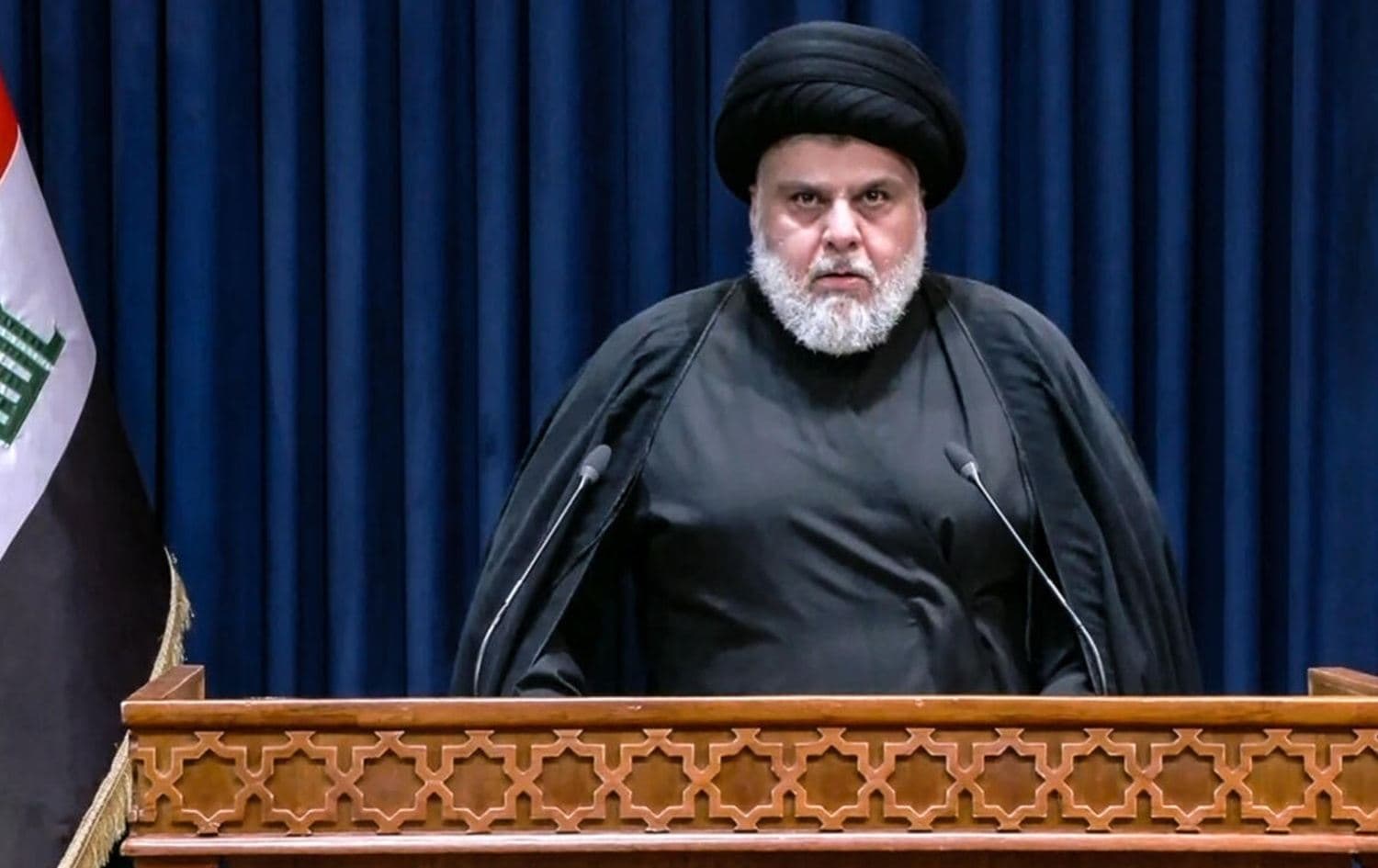
ERBIL, Kurdistan Region - Influential Iraqi Shiite cleric Muqtada al-Sadr on Wednesday ordered sweeping restrictions on his armed faction, Saraya al-Salam, including a ban on public displays of weapons across most provinces.
The move follows a deadly clash in Karbala on Friday between members of the group and another armed faction, leaving several people dead and injured, including a Saraya al-Salam security coordinator.
Sadr’s directives include prohibiting commanders from appearing in the media, shutting down their social media accounts, and launching a financial audit of all commanders, covering periods before and after assuming their roles.
He also ordered the formation of oversight committees to curb armed activity in the provinces, with an exception made for Samarra. Commanders are barred from attending public events - except in a personal capacity without uniforms - and are forbidden from engaging in business or visiting state institutions.
Additionally, Sadr mandated a six-month program of “ethical, religious, ideological, and patriotic” instruction to be held exclusively in Najaf.
Members who fail to comply with the new measures face penalties, ranging from verbal warnings to dismissal.
The directives come after Sadr issued a handwritten order last week calling for the withdrawal of all weapons from his forces in Karbala and an investigation into those involved. In a separate document labeled “first draft,” he named and condemned 22 members as “enemies of faith and denomination.”
Saraya al-Salam’s central command has since announced the dismissal of two members, part of a broader effort to discipline the group.
Founded in 2014, Saraya al-Salam is widely regarded as a successor to Sadr’s Mahdi Army, which fought US forces after the 2003 invasion of Iraq.
In Iraq’s 2021 parliamentary elections, Sadr’s bloc won 73 seats, emerging as the largest faction. However, a prolonged political deadlock with the Coordination Framework over government formation led him to withdraw his lawmakers from parliament, after his attempt to form a coalition with Kurdish and Sunni parties was blocked.