


Iraq

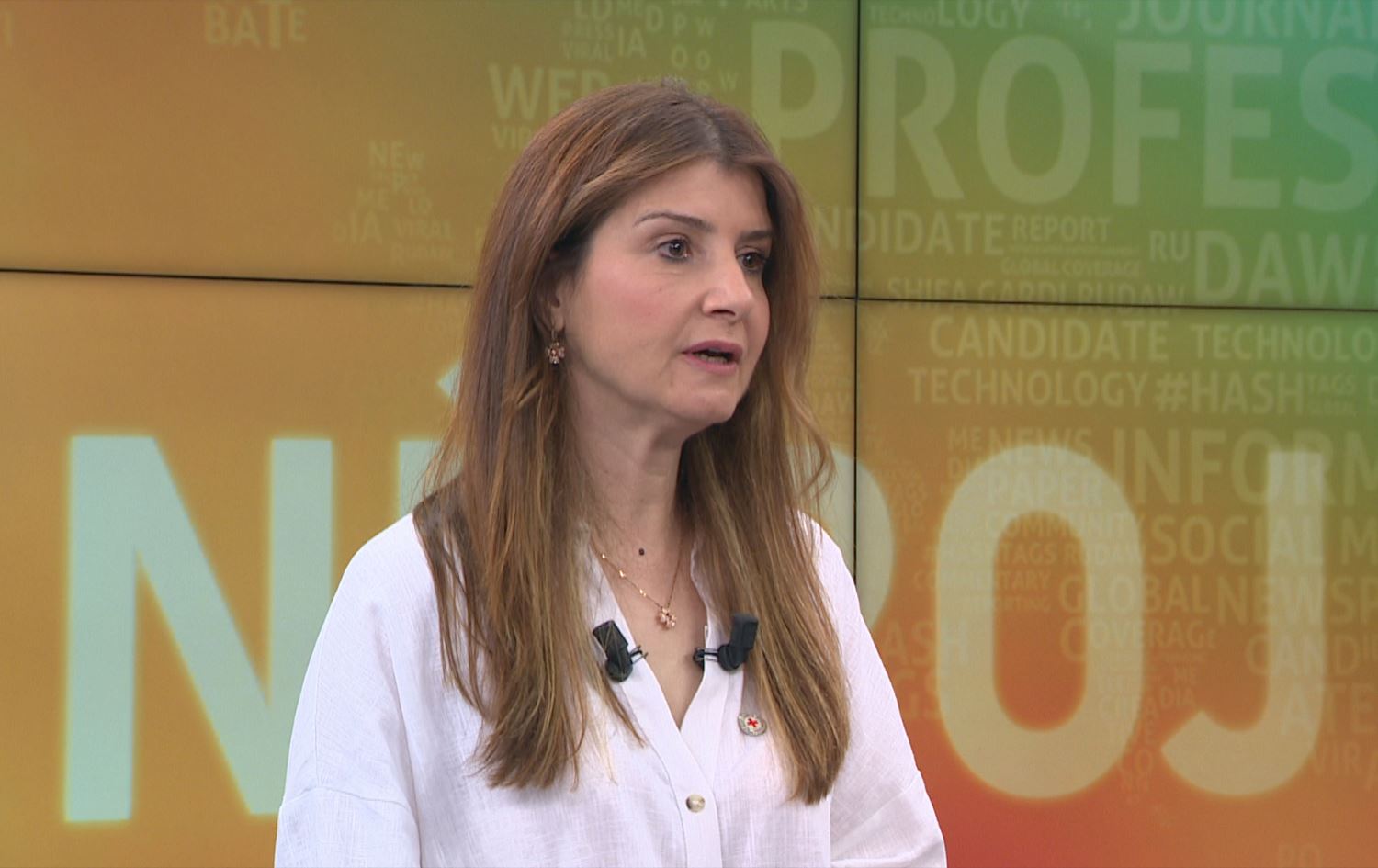
Avin Yassin, spokesperson for the International Committee for the Red Cross (ICRC) in Kurdistan, speaking to Rudaw on August 30, 2025. Photo: Rudaw
ERBIL, Kurdistan Region - More than 700 new missing persons cases have been filed in Iraq so far this year, according to data from the International Committee for the Red Cross (ICRC).
In 2025, the ICRC in Iraq received 732 new requests from families of missing persons, Avin Yassin, spokesperson for the International Committee for the Red Cross (ICRC) in Kurdistan, told Rudaw in an interview on Saturday.
Of those, 266 cases have been resolved, she said.
The others join the tens of thousands of open cases filed with the ICRC. A total of “30,650 families of missing persons have come to us to start a case,” said Yassin.
“The numbers are much higher than that as many families do not know that an organization such as the ICRC can work on such cases,” she added.
The many missing persons cases in Iraq and Kurdistan are the results of years of wars and conflict in the region dating back to the Iraq-Iran war, the Kuwait war, the Anfal campaign against the Kurds and the Halabja chemical attack, the war with the Islamic State (ISIS), and emigration.
Yassin noted that they work with an international network to resolve some cases. “For example, in cases of immigration, we contact our offices in Europe like Greece to follow up,” she said.
In recent years, migration and human trafficking have contributed significantly to the rising number of missing persons.
August 30 is the International Day of the Disappeared.
Yassin said the ICRC’s motto for this year is “the search continues.”
“Some families have lost hope. We tell them not to lose hope. Some of them just want to know their [loved ones’] fate, they say even if they are dead give us their remains,” she said.
In regards to missing Yazidis, Yassin said they are in constant communication with their families through the Accompaniment Program, offering emotional support as well as legal and financial aid.
In 2025, the ICRC in Iraq received 732 new requests from families of missing persons, Avin Yassin, spokesperson for the International Committee for the Red Cross (ICRC) in Kurdistan, told Rudaw in an interview on Saturday.
Of those, 266 cases have been resolved, she said.
The others join the tens of thousands of open cases filed with the ICRC. A total of “30,650 families of missing persons have come to us to start a case,” said Yassin.
“The numbers are much higher than that as many families do not know that an organization such as the ICRC can work on such cases,” she added.
The many missing persons cases in Iraq and Kurdistan are the results of years of wars and conflict in the region dating back to the Iraq-Iran war, the Kuwait war, the Anfal campaign against the Kurds and the Halabja chemical attack, the war with the Islamic State (ISIS), and emigration.
Yassin noted that they work with an international network to resolve some cases. “For example, in cases of immigration, we contact our offices in Europe like Greece to follow up,” she said.
In recent years, migration and human trafficking have contributed significantly to the rising number of missing persons.
August 30 is the International Day of the Disappeared.
Yassin said the ICRC’s motto for this year is “the search continues.”
“Some families have lost hope. We tell them not to lose hope. Some of them just want to know their [loved ones’] fate, they say even if they are dead give us their remains,” she said.
In regards to missing Yazidis, Yassin said they are in constant communication with their families through the Accompaniment Program, offering emotional support as well as legal and financial aid.


Comments
Rudaw moderates all comments submitted on our website. We welcome comments which are relevant to the article and encourage further discussion about the issues that matter to you. We also welcome constructive criticism about Rudaw.
To be approved for publication, however, your comments must meet our community guidelines.
We will not tolerate the following: profanity, threats, personal attacks, vulgarity, abuse (such as sexism, racism, homophobia or xenophobia), or commercial or personal promotion.
Comments that do not meet our guidelines will be rejected. Comments are not edited – they are either approved or rejected.
Post a comment