



Error occured during this request! Please try again later.
Iraq

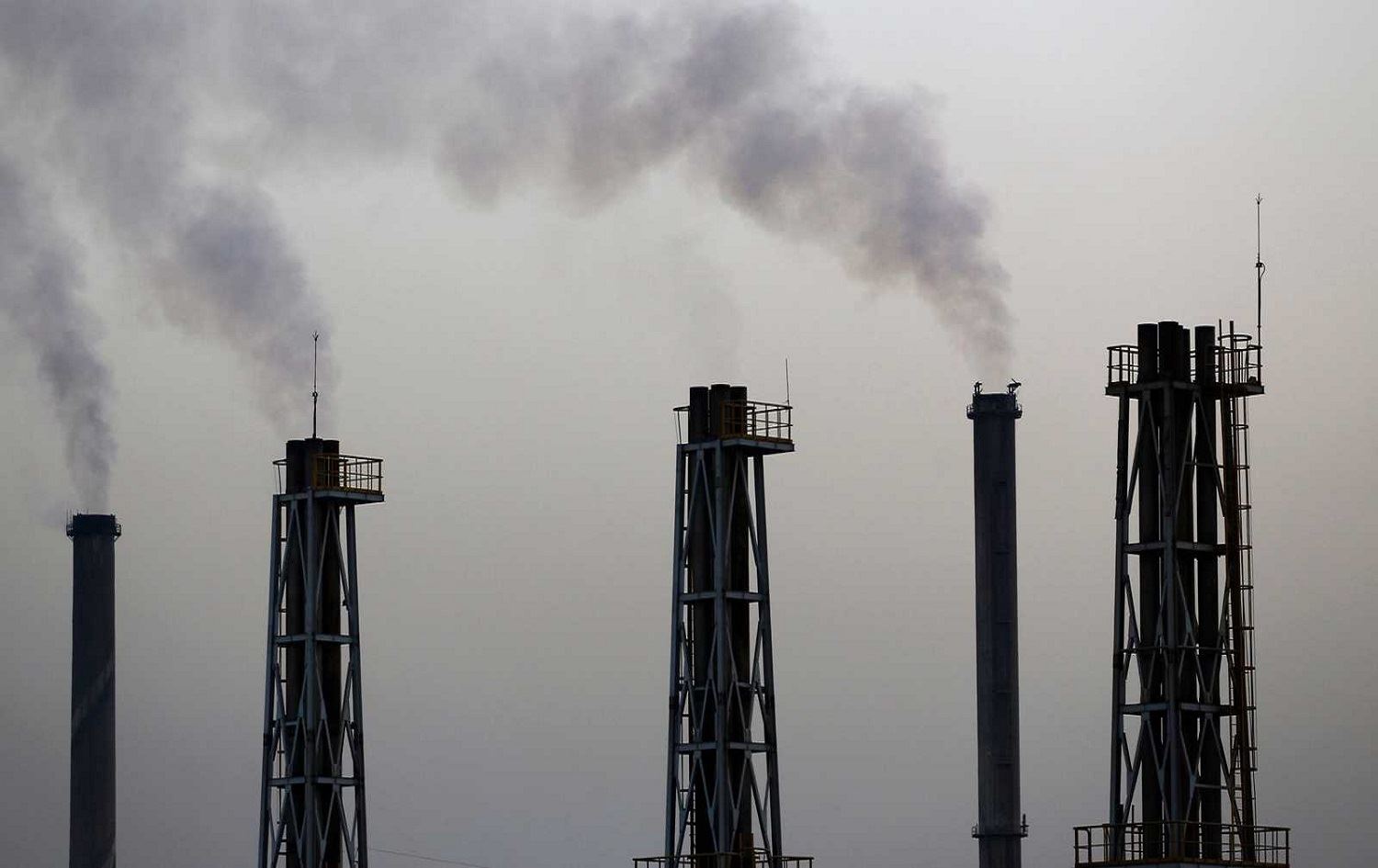
An electric power station in seen in Baghdad on Sept. 13, 2017. New power stations are now coming on line Iraq. Photo: Ahmad al-Rubaye/ AFP
ERBIL, Kurdistan Region — Iraq’s electricity ministry on Sunday denied claims made by several members of parliament that the ministry intended to sell two major electricity plants in Basra to a private company, slamming them as “lies”.
In a statement released on Sunday, the ministry said there were “lies about the intentions of the ministry to sell national electricity plants in Basra or in any other city in Iraq to private companies.”
“We ensure that the ministry has no intention of selling any of its electricity plants, and that the matter unfortunately has been used as propaganda,” read the statement.
The spokesperson for the ministry of electricity clarified to Rudaw English on Sunday that the statement was responding to accusations made by several MPs.
Spokesperson Ahmad Moussa denied any decision had been made towards selling the plants to the company.
“KAR company only suggested that they would buy the simple cycle of the plants in order to ease the process of electricity production given that the ministry cannot afford maintaining the operations,” the spokesperson noted.
KAR company is based in Erbil, and operates within Iraq and a number of foreign countries.
“There was a deal in 2014 toward handing both the simple and combined cycles of the Rumaila and Shat al Basra electricity plants to the KAR group, however the ministry has been running the simple cycle and there have been stalls in the maintenance of the cycle,” Moussa said. “For that reason, they offered to buy it, to make the work flow easier.”
Iraq has long suffered from chronic outages and shortages of electricity. Rampant electricity shortages have in past years been a rallying call for protesters, most notably in the summer of 2018.
Iraq signed a two-year contract with Iran in June, renewing commitments to import Iranian gas for electricity, Iranian state media reported.
Iran previously exported 1200-1500 megawatts of electricity to Iraq on a daily basis, in addition to 38-40 million cubic meters of natural gas to feed several of Iraq’s power stations, according to Sayyid Hamid Hosseini, secretary general of Iran-Iraq Joint Chamber of Commerce.
The spokesperson said on Thursday that Iran had slashed its natural gas exports from 50 million cubic meters (mcm) a day last year to just seven mcm – due to debt repayment issues and domestic need.
Iranian energy minister Reza Ardakanian announced late December that Iraq has managed to pay back a good amount of the debt they owed Iran in the sector upon his visit to Iraq.
With reporting by Sura Ali
In a statement released on Sunday, the ministry said there were “lies about the intentions of the ministry to sell national electricity plants in Basra or in any other city in Iraq to private companies.”
“We ensure that the ministry has no intention of selling any of its electricity plants, and that the matter unfortunately has been used as propaganda,” read the statement.
The spokesperson for the ministry of electricity clarified to Rudaw English on Sunday that the statement was responding to accusations made by several MPs.
Spokesperson Ahmad Moussa denied any decision had been made towards selling the plants to the company.
“KAR company only suggested that they would buy the simple cycle of the plants in order to ease the process of electricity production given that the ministry cannot afford maintaining the operations,” the spokesperson noted.
KAR company is based in Erbil, and operates within Iraq and a number of foreign countries.
“There was a deal in 2014 toward handing both the simple and combined cycles of the Rumaila and Shat al Basra electricity plants to the KAR group, however the ministry has been running the simple cycle and there have been stalls in the maintenance of the cycle,” Moussa said. “For that reason, they offered to buy it, to make the work flow easier.”
Iraq has long suffered from chronic outages and shortages of electricity. Rampant electricity shortages have in past years been a rallying call for protesters, most notably in the summer of 2018.
Iraq signed a two-year contract with Iran in June, renewing commitments to import Iranian gas for electricity, Iranian state media reported.
Iran previously exported 1200-1500 megawatts of electricity to Iraq on a daily basis, in addition to 38-40 million cubic meters of natural gas to feed several of Iraq’s power stations, according to Sayyid Hamid Hosseini, secretary general of Iran-Iraq Joint Chamber of Commerce.
The spokesperson said on Thursday that Iran had slashed its natural gas exports from 50 million cubic meters (mcm) a day last year to just seven mcm – due to debt repayment issues and domestic need.
Iranian energy minister Reza Ardakanian announced late December that Iraq has managed to pay back a good amount of the debt they owed Iran in the sector upon his visit to Iraq.
With reporting by Sura Ali


Comments
Rudaw moderates all comments submitted on our website. We welcome comments which are relevant to the article and encourage further discussion about the issues that matter to you. We also welcome constructive criticism about Rudaw.
To be approved for publication, however, your comments must meet our community guidelines.
We will not tolerate the following: profanity, threats, personal attacks, vulgarity, abuse (such as sexism, racism, homophobia or xenophobia), or commercial or personal promotion.
Comments that do not meet our guidelines will be rejected. Comments are not edited – they are either approved or rejected.
Post a comment