


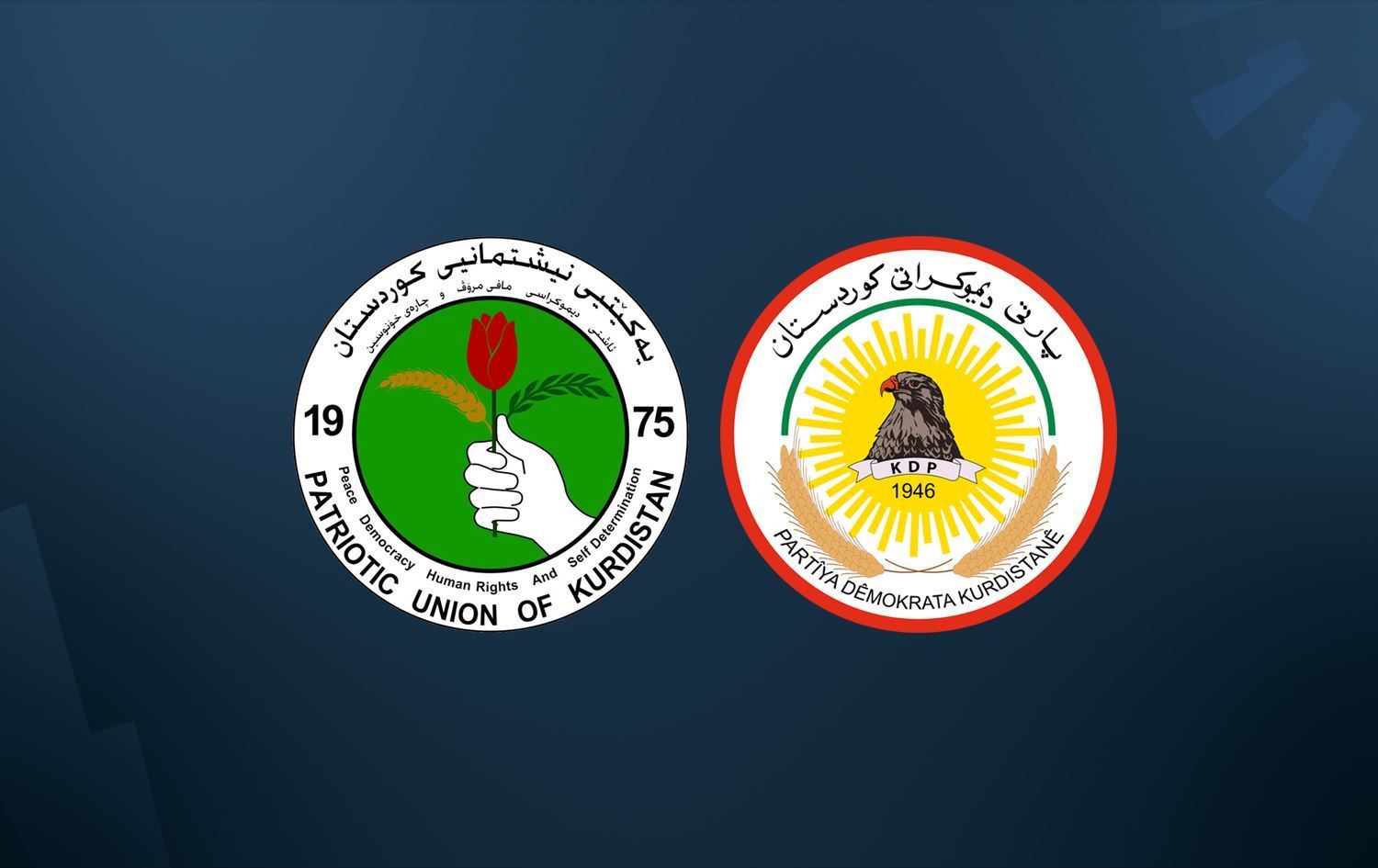
ERBIL, Kurdistan Region - Both the Kurdistan Democratic Party (KDP) and the Patriotic Union of Kurdistan (PUK) said they will not form any electoral alliances in Diyala for Iraq’s upcoming parliamentary elections.
“The KDP will participate in the elections in Diyala province with an independent list and will not form any pre-election alliance with any other party,” Kawa Abdullah, head of the KDP’s election committee in the province, told Rudaw.
Suzan Mansour, a Kurdish lawmaker in the Iraqi parliament from Diyala, representing the PUK, announced on Saturday that her party also will not form an alliance with any other political party.
Diyala province has 14 seats in the Iraqi parliament - four of which are reserved for the women's quota. The province includes disputed territories that are claimed by both Erbil and Baghdad.
The KDP and PUK are engaged in prolonged power-sharing talks to form the next Kurdistan Regional Government, but have ruled out any alliance for the Iraqi vote. Kurdistan Region Deputy Prime Minister Qubad Talabani, from the PUK, announced that his party and the KDP will contest the elections separately. And earlier in May, senior PUK member Ali Qalayi told Rudaw that running on a single Kurdish list would be technically disadvantageous.
Kurdish opposition parties have been working since early May to form a united front in a bid to challenge the ruling Kurdish parties at the federal level. However, divisions have emerged within their ranks.
Iraq is scheduled to hold its parliamentary elections on November 11.
Nahro Mohammed contributed to this report.
“The KDP will participate in the elections in Diyala province with an independent list and will not form any pre-election alliance with any other party,” Kawa Abdullah, head of the KDP’s election committee in the province, told Rudaw.
Suzan Mansour, a Kurdish lawmaker in the Iraqi parliament from Diyala, representing the PUK, announced on Saturday that her party also will not form an alliance with any other political party.
Diyala province has 14 seats in the Iraqi parliament - four of which are reserved for the women's quota. The province includes disputed territories that are claimed by both Erbil and Baghdad.
The KDP and PUK are engaged in prolonged power-sharing talks to form the next Kurdistan Regional Government, but have ruled out any alliance for the Iraqi vote. Kurdistan Region Deputy Prime Minister Qubad Talabani, from the PUK, announced that his party and the KDP will contest the elections separately. And earlier in May, senior PUK member Ali Qalayi told Rudaw that running on a single Kurdish list would be technically disadvantageous.
Kurdish opposition parties have been working since early May to form a united front in a bid to challenge the ruling Kurdish parties at the federal level. However, divisions have emerged within their ranks.
Iraq is scheduled to hold its parliamentary elections on November 11.
Nahro Mohammed contributed to this report.


Comments
Rudaw moderates all comments submitted on our website. We welcome comments which are relevant to the article and encourage further discussion about the issues that matter to you. We also welcome constructive criticism about Rudaw.
To be approved for publication, however, your comments must meet our community guidelines.
We will not tolerate the following: profanity, threats, personal attacks, vulgarity, abuse (such as sexism, racism, homophobia or xenophobia), or commercial or personal promotion.
Comments that do not meet our guidelines will be rejected. Comments are not edited – they are either approved or rejected.
Post a comment