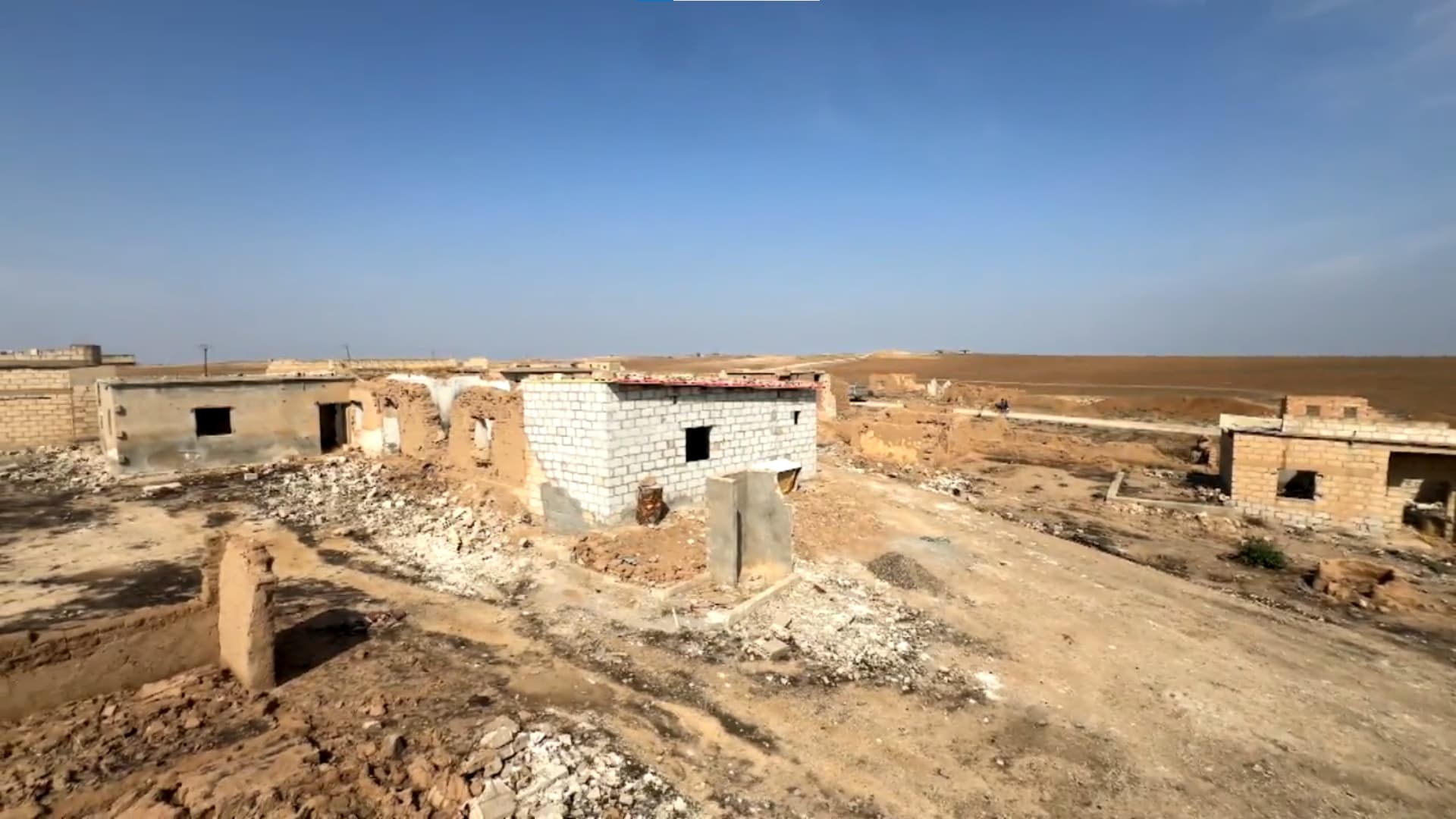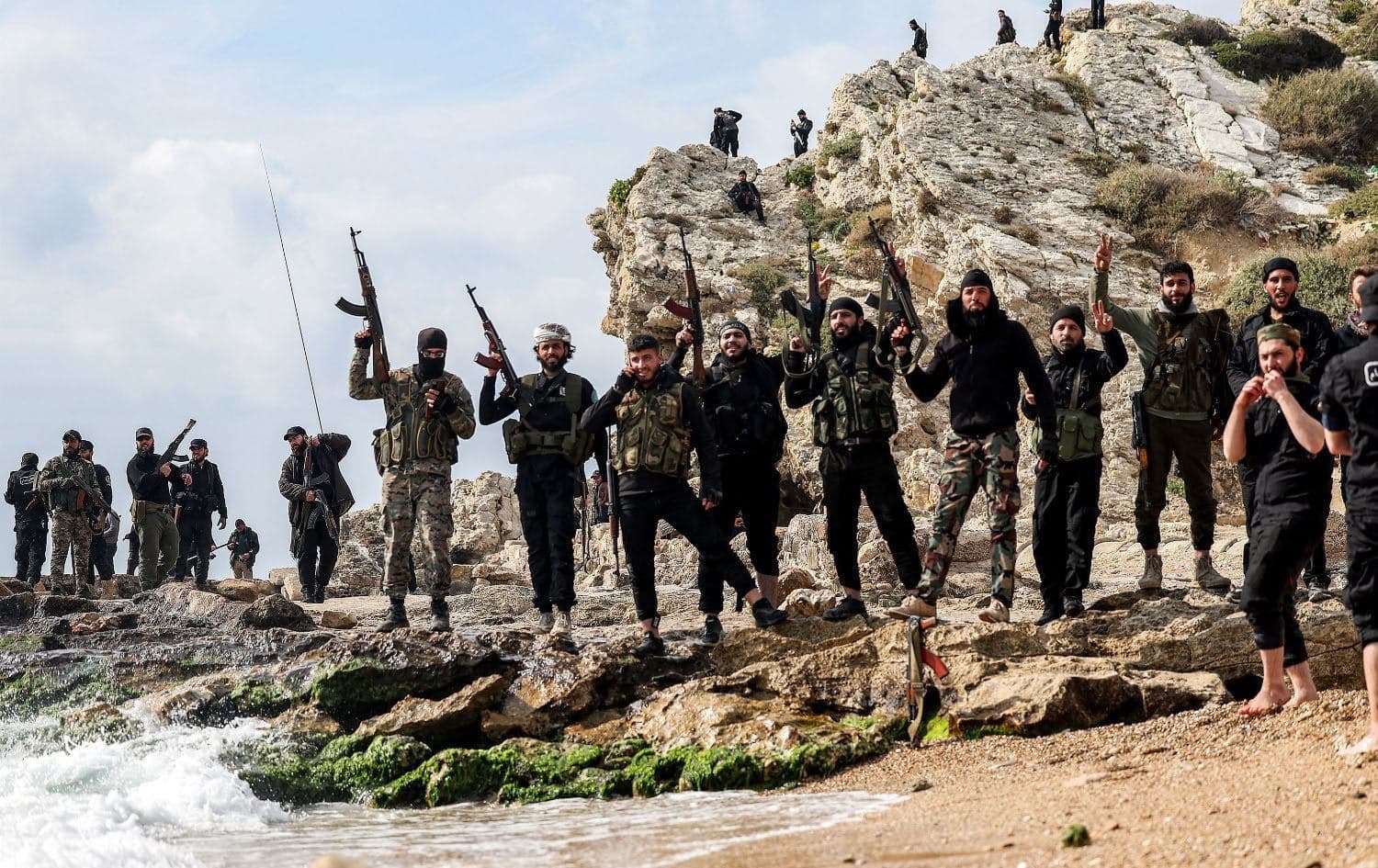

ERBIL, Kurdistan Region - Global human rights watchdog Amnesty International on Thursday censured the “mass killings” recorded in Syria’s Alawite-majority coastal areas in March, accusing Damascus of perpetrating a “war crime” against the minority group and warning of further “atrocities” if accountability is not enforced.
Amnesty stated that “the Syrian government must ensure that the perpetrators of a wave of mass killings targeting Alawite civilians in coastal areas [west of Syria] are held accountable,” adding that its investigations concluded that 32 of the killings specifically “targeted at the Alawite minority sect and were unlawful.”
Violence broke out in early March in the Alawite-majority coastal areas of western Syria after loyalists of ousted Syrian dictator Bashar al-Assad launched attacks on security forces affiliated with the new Syrian leadership.
The Syrian Observatory for Human Rights (SOHR) then reported that around 1,500 people, mostly Alawite civilians, have been killed in the violence. The UK-based war monitor added that most casualties were caused by government or government-affiliated forces.
While Amnesty International only documented 32 killings - partly through interviewing 16 people and analyzing video footage - it cites one eyewitness who reported seeing “hundreds of corpses in a pit dug next to a cemetery al-Qusour neighborhood in Banias city,” in Syria’s western Tartus province, “before it was covered with soil.”
In mid-March Syria’s interim President Ahmed al-Sharaa signed a 53-article constitutional declaration that centers on Islamic jurisprudence and stipulates that the country’s president must be a Muslim.
Amnesty stated that families of the victims were forced by “militias affiliated with the government” to bury their loved ones in mass burial sites. The global human rights watchdog reminded the Damascus government that “the deceased ought to be buried in individual graves” as per Islamic rites.
It further recounted stories of heinous killings, including those involving hors de combat individuals in their late 60s and 70s.
Agnes Callamard, secretary-general of Amnesty International, stated in the report that “once again, Syrian civilians have found themselves bearing the heaviest cost as parties to the conflict seek to settle scores.” She called for the perpetrators to be held accountable and urged a "human rights vetting process" for Syrian forces to prevent future violations.
In response to the killings in the Alawite-majority regions, Sharaa in early March ordered the formation of an “independent national committee” to "identify the causes, circumstances, and details” behind the tragic events.
Amnesty stressed that the success of the committee’s work depends on ensuring that it has “the mandate, authority, expertise and resources” as well as “adequate time” to complete its investigation.