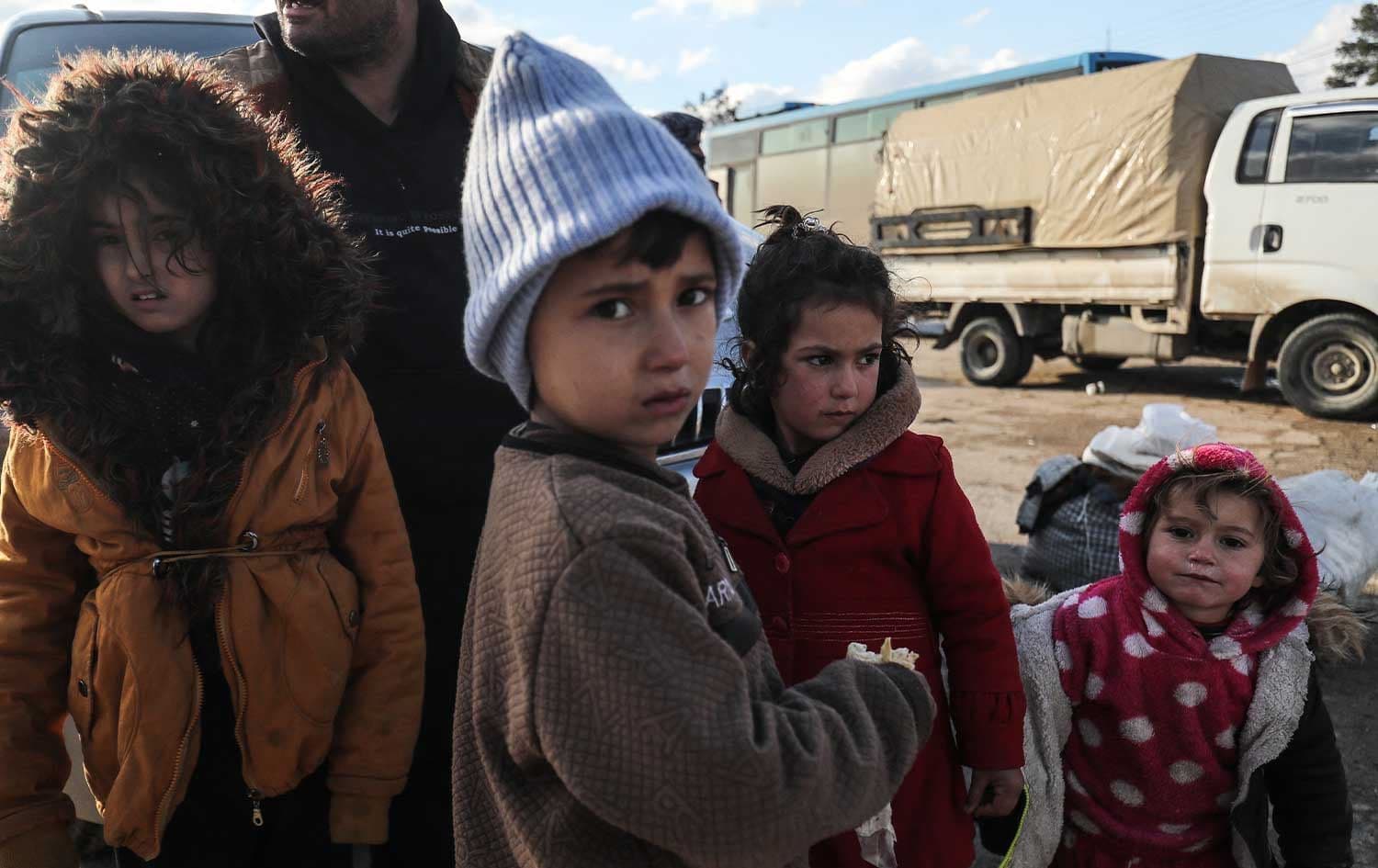

ERBIL, Kurdistan Region - A doctor from Syria’s northern Kobane said Tuesday that three children have died due to a lack of medication in the besieged Kurdish city as a blockade that has been in place since mid-January continues to strain the local health system.
Shevin Bagi, a pediatric specialist, told Rudaw that at least three children with weakened immune systems have died so far.
Kobane does not have a specialized children’s hospital, and all pediatric patients are treated in general hospitals, Bagi said, pointing to severe overcrowding. “The capacity of hospitals is very limited. Previously in the general hospital, we would have four to five children; now we admit at least ten children every night.”
Her comments come amid growing humanitarian concerns in Kobane, where residents are facing acute shortages of water, electricity and other essential services. The Kurdish Red Crescent warned last week that the besieged city could run out of medicines within days, with baby formula already depleted.
Bagi said pneumonia cases among infants have risen sharply, while hospitals are unable to accommodate the growing number of patients.
She added that the siege and lack of clean water have forced displaced families sheltering in schools to rely on water delivered by tankers, leading to the spread of diseases such as diarrhea and dysentery.
The blockade has also affected pharmacies, with medications for chronic illnesses, including diabetes and high blood pressure, completely unavailable, according to Bagi. She said, “When children suffer from shortness of breath, there are inhalers to treat them, and the families of patients search through pharmacies and return to my clinic without medicine.”
Despite a January 29 agreement between the Kurdish-led Syrian Democratic Forces (SDF) and Damascus aimed at halting fighting and outlining steps toward integration, the siege on Kobane remains in place.