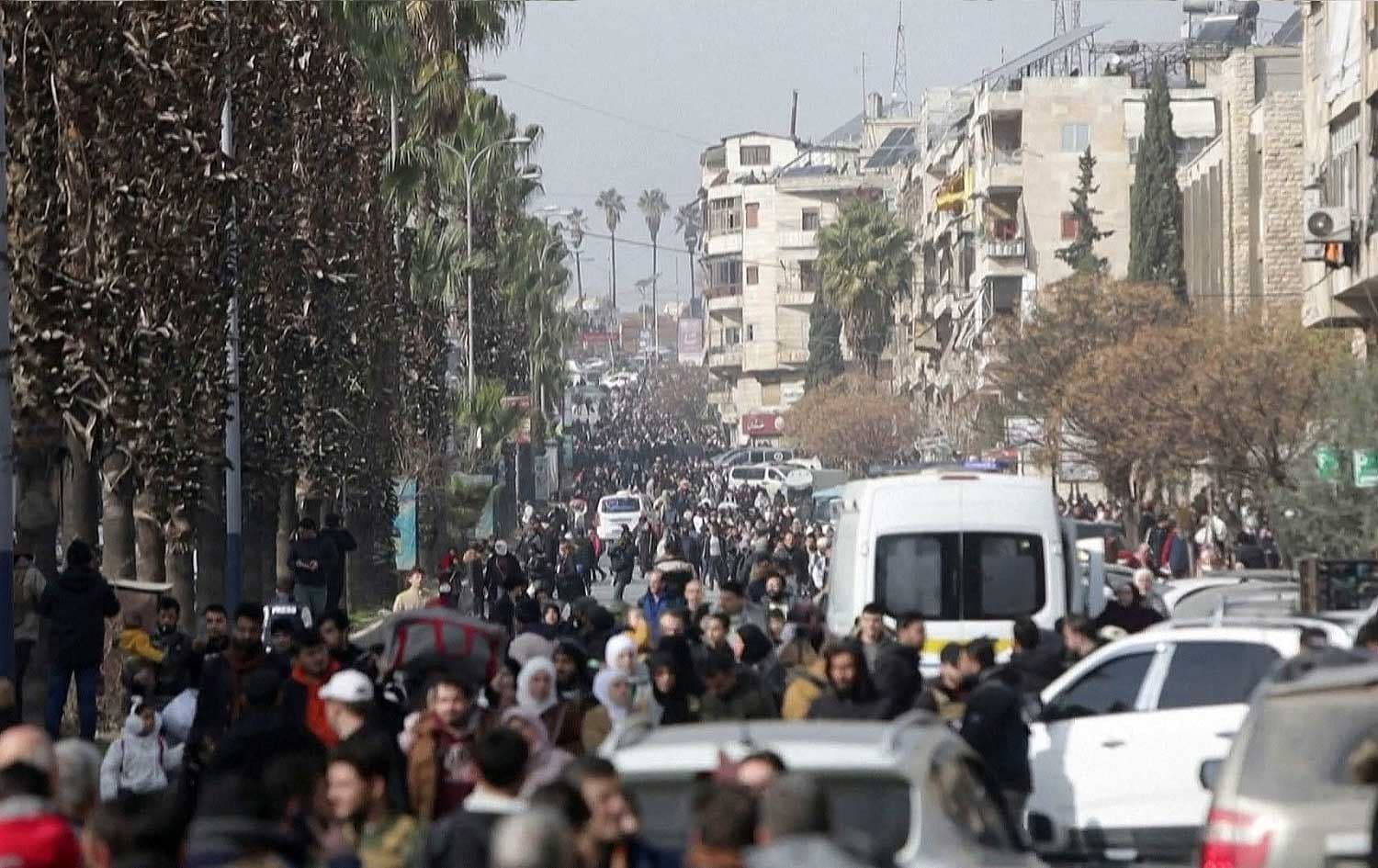

ERBIL, Kurdistan Region - Some 3,000 Kurdish families have fled the ongoing violence in Aleppo’s Kurdish-majority Ashrafiyeh and Sheikh Maqsood neighborhoods, a coalition of Kurdish parties from northeast Syria (Rojava) reported Thursday, noting that these individuals had originally been displaced in 2018 from the Kurdish city of Afrin in northwestern Syria.
The Syrian Arab Army resumed attacks on the two predominantly Kurdish neighborhoods for the third consecutive day on Thursday after announcing a 1:30 pm curfew ahead of intensifying its operations. The Kurdish internal security forces (Asayish) in Aleppo said Thursday that the attacks by state forces have killed at least eight “civilians” and injured over 60 others since Tuesday.
Ahmed Hassan, the representative of the Kurdish National Council (ENKS/KNC) in Afrin, told Rudaw that the violence prompted “more than 3,000 families have been forced over the past two days to leave their homes in two Kurdish neighborhoods of Aleppo and return to Afrin.” He added that “donors are providing vehicles to transport Kurdish families from Ashrafiyeh and Sheikh Maqsood to Afrin.”
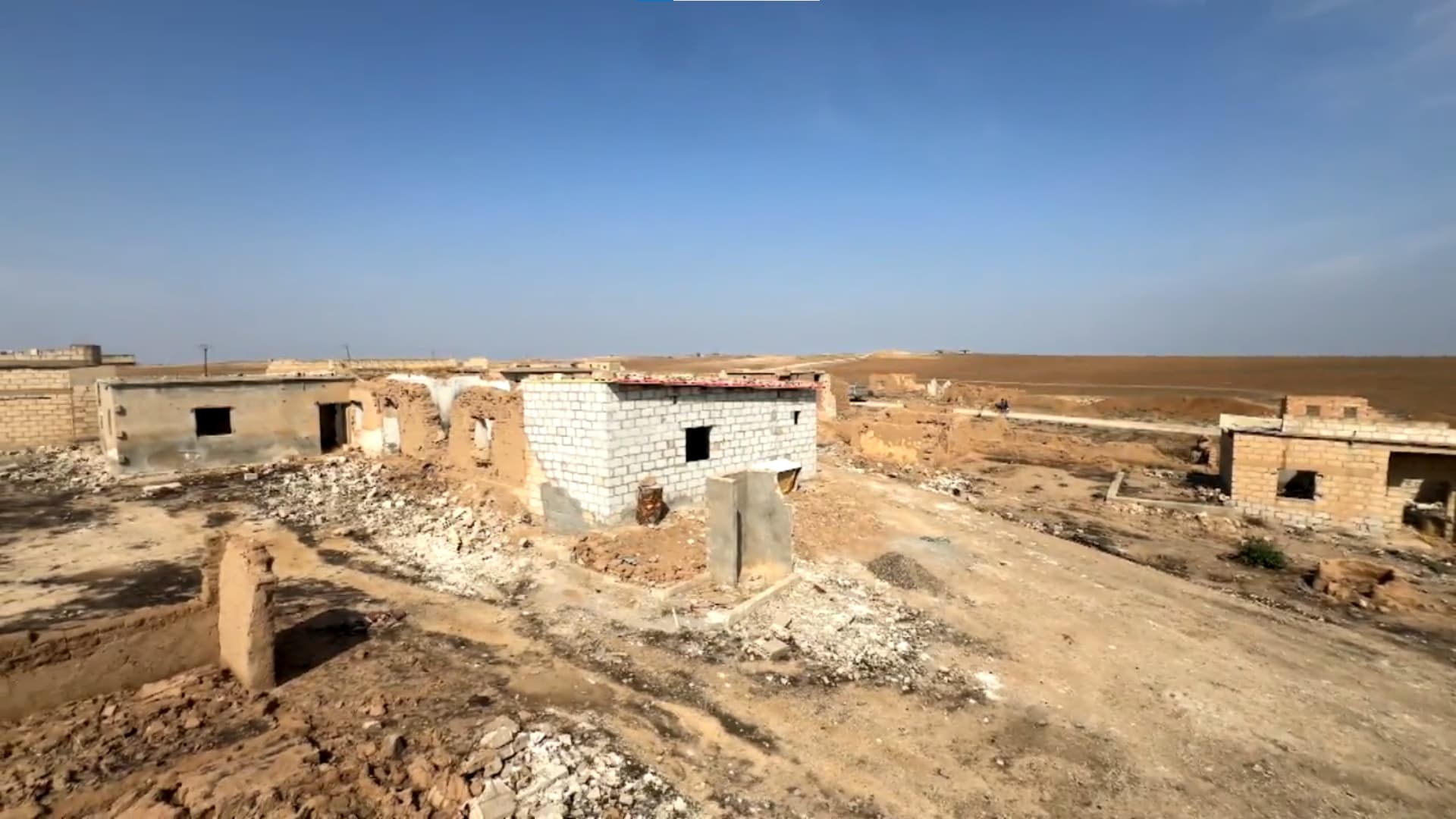
Afrin fell under the control of Turkish-backed Syrian militias in 2018, forcing thousands of Kurdish residents to flee to the neighboring Shahba district and to Aleppo’s Kurdish quarters. Since then, numerous international organizations have documented human rights violations against its remaining Kurdish population.
Since the ouster of longtime Syrian dictator Bashar al-Assad in early December of 2024, control of Afrin has largely shifted to General Security forces aligned with Syria’s new leadership.
Importantly, Hassan reported that the return of displaced residents from Aleppo’s Kurdish neighborhoods to Afrin over the past few days has not been without incident. He said the displaced are “searched at security checkpoints belonging to the Syrian government, and sometimes youths are arrested under the pretext of investigation,” adding that “some remain detained.”
He further warned of the risks posed by the presence of armed factions operating in and around Afrin that “are not aligned with the Damascus [interim] government, do not answer to it, and operate independently.”
“The majority of those returning are going back to villages,” the ENKS official said, while many others are “staying with relatives.” He noted that “volunteer groups have come together to provide urgent relief,” particularly food and medical aid. However, with no clear end to the violence in sight, it remains uncertain whether the situation will deteriorate further.