
ERBIL, Kurdistan Region - Dozens of thousands of Kurds displaced from Aleppo’s Kurdish-majority Ashrafiyeh and Sheikh Maqsood neighborhoods are in urgent need of humanitarian aid. Kurdish aid organizations rush to provide food, shelter, and medical care despite threats to staff.
Dilgash Issa, co-chair of the Kurdish Red Crescent, told Rudaw on Sunday that their organization is treating dozens of wounded from the clashes between the Syrian Arab Army and the Kurdish security forces (Asayish) during the Aleppo violence.
“The number of wounded individuals transferred to hospitals in Tabqa, Raqqa, and Hasaka is 118. Among them are 30 civilians, while the rest are security personnel,” Issa said.
He added that while medical supplies are relatively sufficient, “many of those who have been displaced are in need of heaters, bedding, and other essential items.”
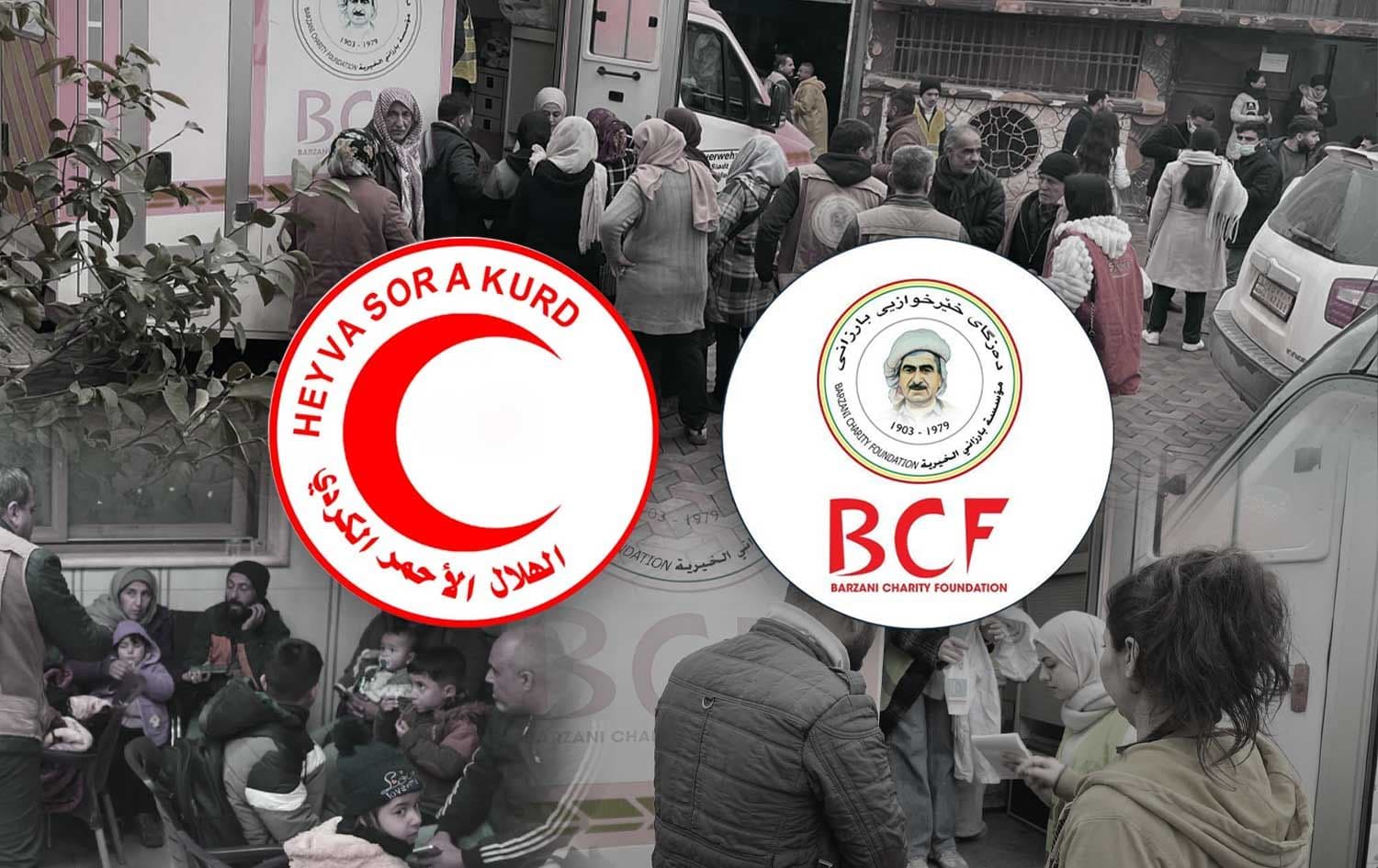
Established in 2012, the Kurdish Red Crescent (locally known as “Heyva Sor a Kurd”) is the main humanitarian organization in northeast Syria (Rojava).
Deadly clashes erupted in Aleppo’s predominantly Kurdish quarters on Tuesday between Syrian state forces and Asayish. Both sides blamed each other for the fighting.
At least 82 people were killed in the clashes, including 43 civilians, 38 government-aligned fighters, and at least one Asayish member, according to a Sunday report by the UK-based Syrian Observatory for Human Rights (SOHR), which relies on a network of sources across Syria.
The Syrian government has also said that approximately 155,000 people have been displaced from the Kurdish-majority neighborhoods since the fighting began.
Issa stated that two of their staff members have also been missing. “Two days ago in Sheikh Maqsood, contact with them was lost. According to the information we have received, they were detained by forces affiliated with the Syrian government.”
Asayish also said that dozens of Kurdish men have been detained by the army for their alleged ties with the Kurdish forces. Asayish asserted that the men have no affiliation with them and held Damascus responsible for anything that may happen to them.
Issa also said that search and inspection operations continue to locate other potential casualties. “Many citizens have contacted the Kurdish Red Crescent requesting assistance in locating their children,” Issa said.
He called on philanthropists to respond urgently: “Priority needs include baby formula, followed by women's needs. Also [there is need for] medical supplies, food, fuel, stoves, bedding, medicine for children, and many other necessities.”
Erbil-based charity rushes to aid
Meanwhile, the Barzani Charity Foundation (BCF) has mobilized to provide assistance to those who fled to Afrin. The organisation is headquartered in Erbil and has an office in Afrin.
Rawaj Haji, a member of the BCF administrative board, told Rudaw on Sunday that "over the past two days, we have delivered various types of aid to Kurds who fled from Ashrafiyeh and Sheikh Maqsood to Afrin and its surrounding areas."
The Kurdish city of Afrin fell under the control of Ankara-backed militia groups in 2018 following a military campaign that forced Kurdish fighters to withdraw from the city.
The organization said it has distributed nearly 5,000 meals, along with 436 essential items such as blankets and mattresses to the recently-displaced people.
BCF President Musa Ahmad on Sunday emphasized the importance of supporting displaced families.
"The teams of the Barzani Charity Foundation are on the ground to assist those in need. Their only hope lies with the Afrin office of the Barzani Charity Foundation, which is providing food, first aid services, and shelter to the people of Aleppo," Ahmad was cited as saying in an X post by the charity.
BCF figures also indicate that 91 activities were organized for displaced children and 178 individuals received medical assistance in the past two days. They have also provided five mobile clinics to the displaced.
According to Haji, approximately 150,000 people from the Kurdish-majority quarters of Aleppo arrived in Afrin and its outskirts as of Sunday, with 110,000 relocating to surrounding villages and districts.
The mass displacement of Kurds - including those who were previously displaced to Ashrafiyeh and Sheikh Maqsood from Afrin in 2018 - has sparked accusations that Damascus is pursuing a demographic-alteration agenda.