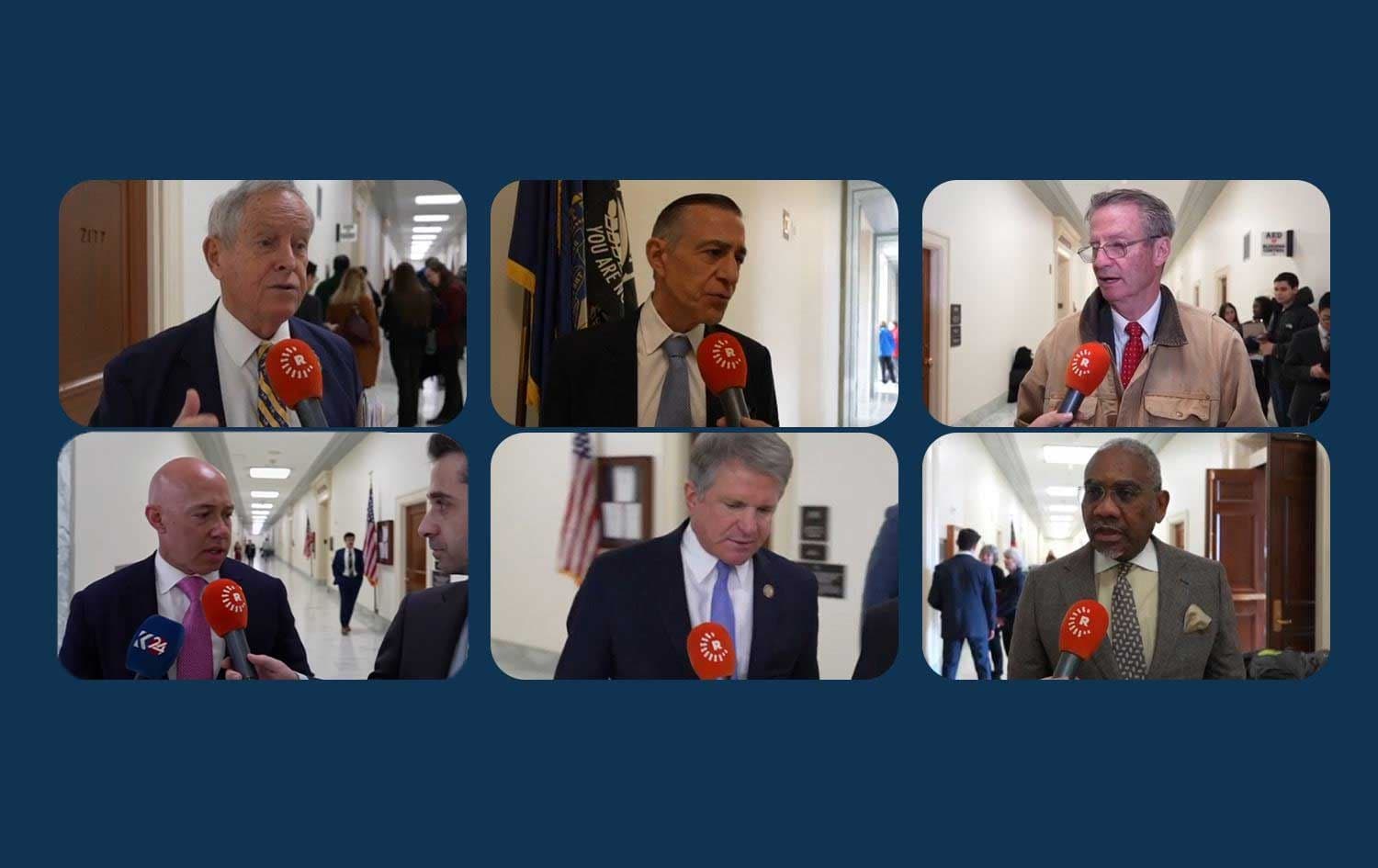
WASHINGTON DC - Senior members of the US House Foreign Affairs Committee expressed deep concern over the future of Syria’s Kurds and other minorities, warning that agreements with Damascus risk collapsing without strong international guarantees and continued US pressure.
The remarks came on the sidelines of and after a congressional hearing on the recent developments in Syria.
Committee Chairman Brian Mast stopped short of committing to fast-tracking the proposed “Save the Kurds Act,” but emphasized his ongoing engagement with Kurdish leadership.
“I'll commit to continuing to speak to General Mazloum [Abdi, commander-in-chief of the Kurdish-led Syrian Democratic Forces (SDF)], hearing him out as certainly the loudest voice in any of these agreements,” Mast said. “He's somebody that's been a trusted ally, and I'm going to continue to speak to him on all things.”
Mast said testimony from experts reflected “a great deal of doubt as to the future for stability within Syria,” adding that while interim President Ahmed al-Sharaa has an opportunity to change course, “I can’t say that I have a faith that that will be chosen in the future.”
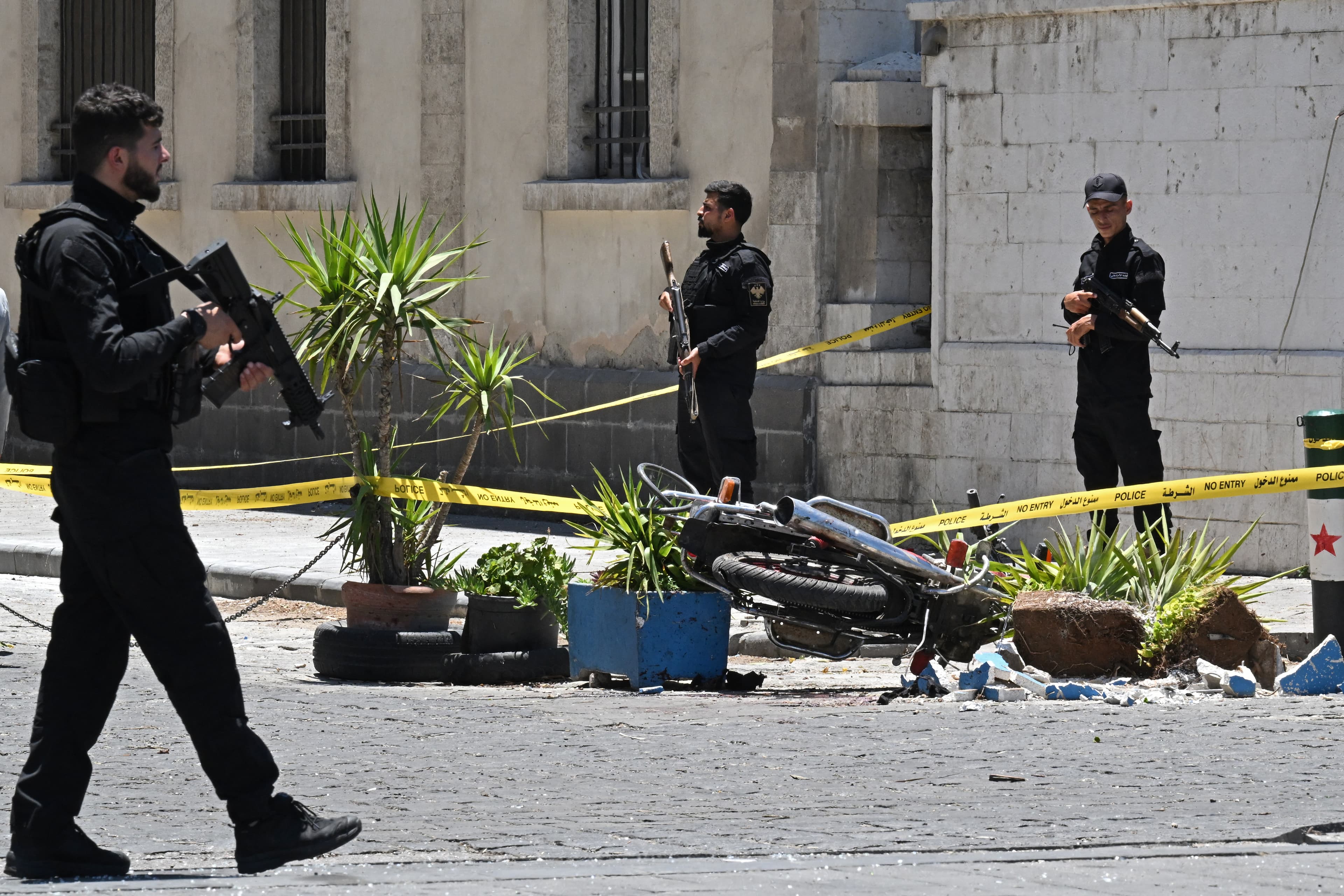
The congressional hearing examined US policy challenges in Syria after atrocities committed against the country’s Alawite and Druze minorities in 2025, and amid attacks by Syrian forces on minority communities, including the seizure of Kurdish-held areas in January, followed by an internationally brokered agreement between Damascus and the SDF in late January.
Republican Congressman Michael McCaul warned that Congress is prepared to respond if agreements are violated.
“We’re involved in this agreement. The March 10th was not followed, it was violated. And I don’t want to see the same thing happen with the January 30th,” he said. “If they do not meet these conditions, then there are other consequences to that, including a return to the Caesar sanctions.”
Former chair of the US Commission on International Religious Freedom Nadine Maenza stressed to Rudaw that close US oversight of the January 30 agreement is critical to preventing further abuses against minorities in northeast Syria.
“I think the most important thing is that they monitor the January 30th agreement,” she said, urging Congress to track developments on the ground, including whether Syrian forces are withdrawing as promised.
“Is the Syrian government pulling troops out? Is the Syrian government following through with their commitments to make sure that none of these Syrian security forces are allowed into Kurdish, Assyrian, Yazidi or any minority villages,” Maenza said.
Other lawmakers highlighted the unresolved Kurdish question and broader minority concerns.
Congressman Darrell Issa said, “I don’t think the Kurdish issue is settled,” describing Kurdish aspirations as “an unresolved issue” stemming from divisions imposed “by colonial powers many years ago.”
Democratic Representative Gregory Meeks, the committee’s ranking member, said he was open to working across party lines to protect Kurds. “I’m willing to work with the Chairman on anything that would save lives,” he said, adding, “Kurds helped us tremendously, in the battle against ISIS [Islamic State].”
Republican Tim Burchett rejected military intervention but backed economic pressure on Damascus. “I support using our economic force to do that. I don’t know if the military... I don’t want to put boots on the ground,” he said, arguing that pressure should extend to countries doing business with Syria.
By contrast, Representative Joe Wilson struck a more optimistic tone, saying he felt al-Sharaa was “making the right efforts” and pointing to the Kurdistan Region as “a symbol throughout the region of what can be done” in terms of stability and prosperity.