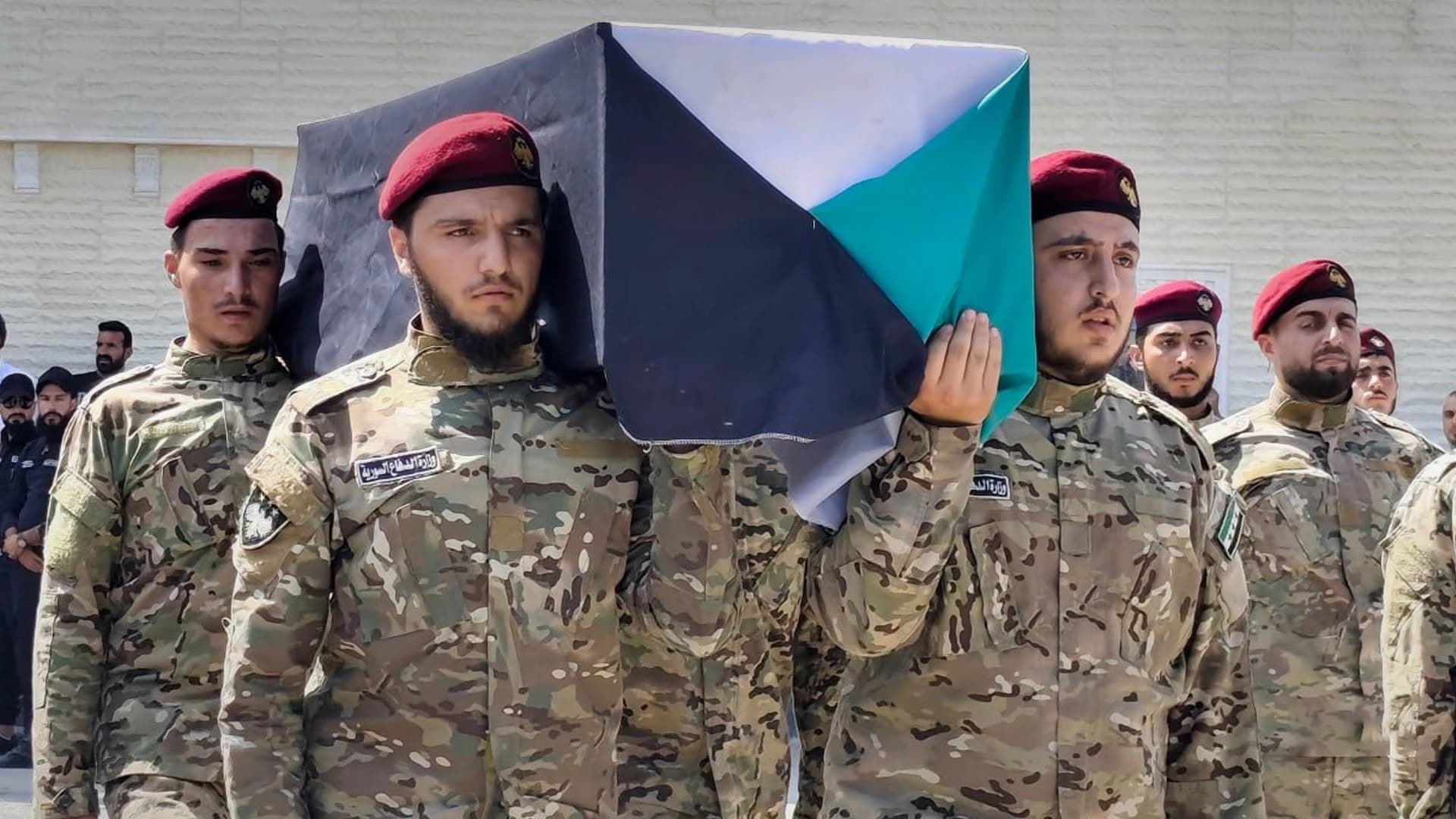
ERBIL, Kurdistan Region - A United Nations commission investigating deadly March violence in Syria’s Alawite-majority coastal areas said the attacks, which left over 1,400 dead, were “systematic” and likely amounted to “war crimes.” In March, violence erupted in Syria’s Alawite-majority coastal areas after armed groups, many loyal to ousted president Bashar al-Assad, launched attacks on forces allied with the government, prompting Damascus to respond with force. A report by the the United Nations’ Human Rights Council (UNHCR) commission in Syria, which “examines serious violations, primarily targeting Alawi communities,” said the violence included “acts that likely amount to crimes, including war crimes” committed by factions affiliated with the former regime, “interim government force members,” and private individuals. “These acts included murder, torture, abductions, and inhumane acts related to the treatment of the dead, as well as pillage and property destruction, including related to medical facilities,” the report summarized. The commission said that although the killings followed “a systematic pattern across multiple, widespread locations,” it “found no evidence of a governmental policy or plan to carry out such attacks.” At least 1,700 people - mostly Alawite civilians - were killed in the attacks, according to the Syrian Observatory for Human Rights, with many deaths blamed on the Syrian interim government and its affiliated forces. According to the report, “Some 1,400 people, predominantly civilians, including approximately 100 women, were reported killed, most in massacres that ensued over a large geographic area, alongside other kinds of violence, looting, burning and displacement.” The violence, much of it filmed or photographed by the perpetrators, “has deepened rifts between communities.” Damascus formed an investigative committee to probe the violence. In late July, the committee announced that it had identified nearly 300 suspects in connection with the events. Investigations by the committee documented “serious violations against civilians,” including “murder, premeditated murder, looting, destruction and burning of homes, torture, and sectarian insults.” The UN acknowledged that “alleged perpetrators” were “reportedly” arrested by the interim government but stressed that “the scale of the violence documented in this report warrants expanding such efforts,” underscoring “the need for clear accountability for all perpetrators, regardless of affiliation or rank.” The report also cited Syria’s long record of human rights violations - particularly by the Assad regime - and the public’s “desire for accountability for the violations that occurred throughout the conflict,” combined with “insufficient clarity on the new framework for justice” and a security vacuum, as factors that led “some to take the law into their own hands.” Syrians rose against Assad in March 2011, sparking a full-scale civil war that has killed hundreds of thousands and left millions in dire humanitarian need. The report noted that the interim government has incorporated factions with “well-documented histories of violations and abuses during the conflict.” The report added that the interim government has incorporated factions with “well-documented histories of violations and abuses during the conflict.” In early June, US Special Envoy for Syria Thomas Barrack told Reuters that an understanding had been reached with Damascus on integrating foreign fighters loyal to the new administration. Three Syrian defense officials confirmed to the outlet that the plan includes around 3,500 foreign fighters - mainly Uyghurs from China and neighboring countries - being formed into a new military unit alongside Syrian nationals. Officials in northeast Syria (Rojava) have voiced concern over the decision, while China has also expressed fears about “terrorism.” The March bloodshed sparked widespread condemnation, including from the United Nations, the United Kingdom, France, Iraq, and Iran. Saudi Arabia and Turkey expressed support for the new authorities in Damascus.



.webp&w=3840&q=75)