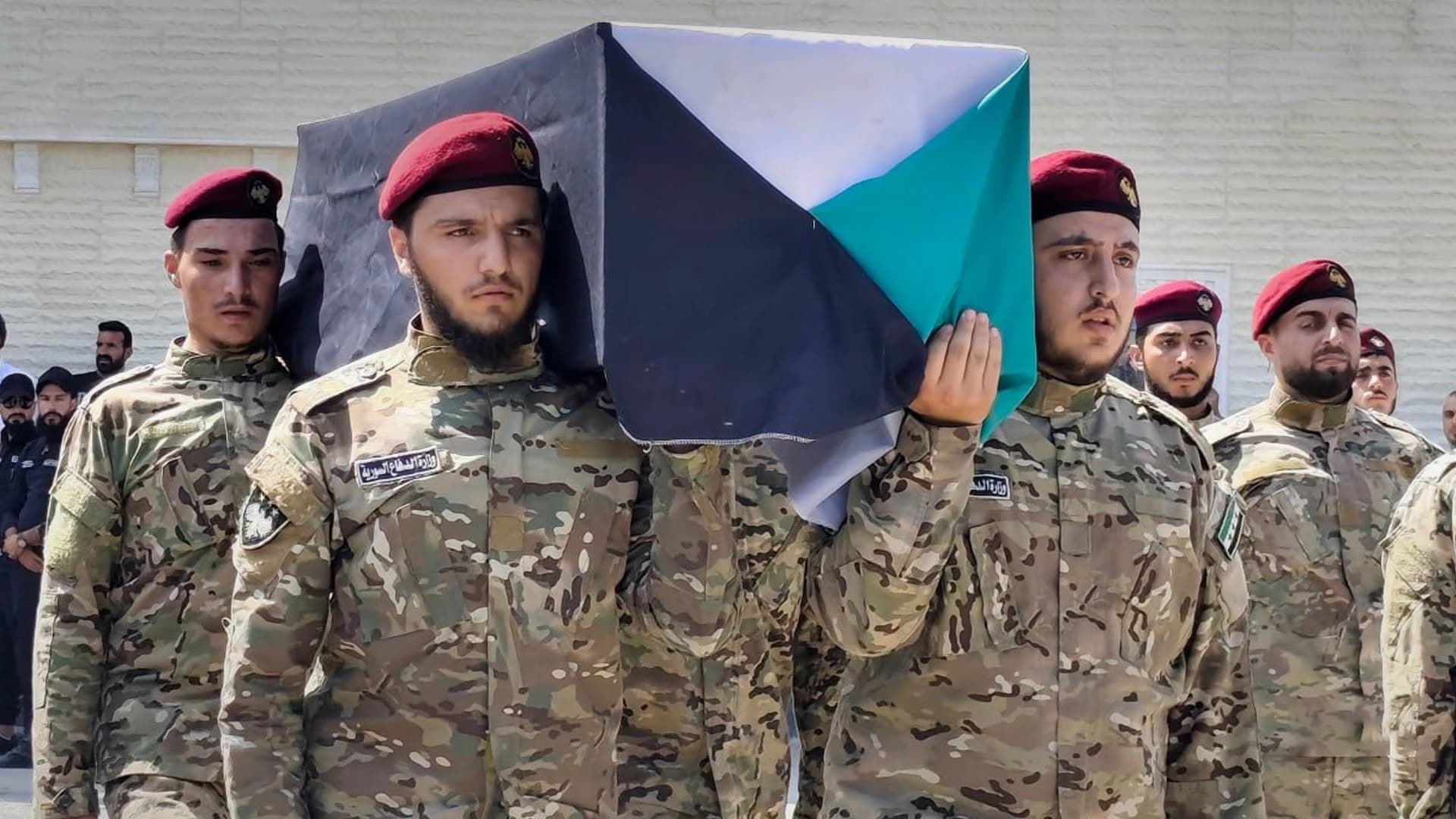
NEW YORK - The spokesperson for United Nations Secretary-General Antonio Guterres on Thursday described the findings of the Syria Commission of Inquiry’s report on the March violence in Syria’s Alawite-majority coastal regions as “deeply disturbing,” calling on interim authorities in Damascus to protect all Syrians regardless of ethnicity or religion.
Responding to a question from Rudaw, UN spokesperson Stephane Dujarric stated that “the findings of the investigation are deeply disturbing” and reassert “the responsibility of those who are in power in Syria and those who are in power in Damascus to ensure that everyone in Syria, all Syrians, feel safe and feel protected.
“No one should face the risk of being killed, harassed, or abducted simply because of their religion or ethnicity,” he emphasized.
Violence erupted in early March in pre-dominantly Alawite coastal regions in Syria after loyalists of ousted dictator Bashar al-Assad reportedly attacked security forces affiliated with the interim government.
According to the UK-based Syrian Observatory for Human Rights (SOHR), the clashes left approximately 1,700 people dead - most of them Alawite civilians - with many casualties attributed to government or pro-government forces.
Earlier on Thursday, the UN Commission of Inquiry released its findings, reporting that acts “likely amounting to crimes, including war crimes,” were committed during the March violence. The report documents a series of massacres that primarily targeted the Alawite community, leaving some 1,400 people dead, most of them civilians.
Based on more than 200 interviews, the report further revealed the perpetrators included "pro-former government fighters” as well as “interim government force members, and private individuals." The violations committed against the Alawite community included "murder, torture, abductions, and inhumane acts related to the treatment of the dead, as well as pillage and property destruction."
The Commission therefore underscored the urgent need for accountability for "all perpetrators, regardless of affiliation or rank,” urging redoubled efforts to ensure non-repetition, begin the process of reparations, and rebuild trust with affected communities.
In response to the violence, Syria’s interim President Ahmed al-Sharaa had in early March ordered the formation of an “independent national committee” to investigate the events.
The committee’s report, released in mid-July, confirmed 1,426 deaths and identified 298 suspects, including six former regime operatives. It acknowledged that some Syrian military members committed violations but concluded there was “no evidence” that military leaders had ordered the attacks.
The Supreme Alawite Council in Syria rejected the committee’s findings, calling the report an “impudent play,” and demanded a UN-supervised investigation instead.
.webp&w=3840&q=75)