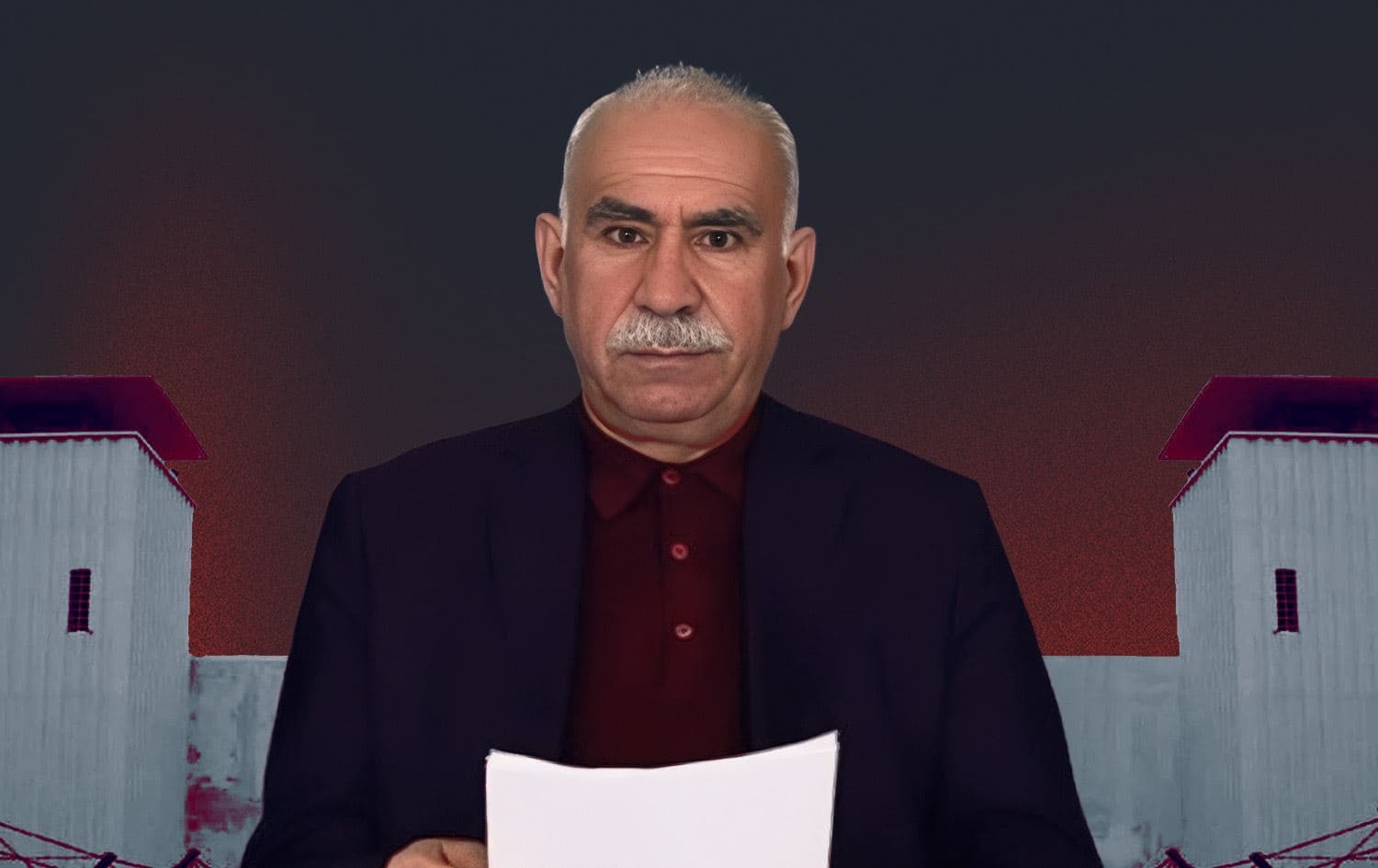
ERBIL, Kurdistan Region - Arab tribal leaders in northern and eastern Syria have lauded the letter they recently received from Abdullah Ocalan, the leader of the Kurdistan Workers’ Party (PKK), urging Kurdish-Arab unity and support for the Syrian Democratic Forces (SDF). The letter’s timing and message, they say, are crucial in the current political climate.
Hassan Farhan, head of the Tayy Arab Tribe Council, told Rudaw that the letter represents a critical step toward strengthening what he described as the "eternal and historical" bond between Kurds and Arabs.
“Whether in Syria, Iraq, or any other country, Kurds and Arabs are one,” Farhan said, praising Ocalan’s efforts to inspire cooperation among the region’s diverse ethnic and religious communities.
Dated July 28 and published Sunday by a media outlet close to Kurdish authorities in northeastern Syria (Rojava), the letter addresses Arab sheikhs and tribal elders in northern and eastern Syria.
In it Ocalan praised Arab support for Kurdish forces and urged continued cooperation based on what Ocalan called a "democratic nation system."
"Arabs and Kurds must live together in peace,” Ocalan wrote from Turkey’s Imrali prison, where he has been held since 1999. “In this regard, your support for the Syrian Democratic Forces is of utmost importance and has great meaning.”
The imprisoned Kurdish leader expressed strong support for an “alliance between the Kurdish and Arab peoples, given its historical foundation."
Ocalan’s appeal notably came amid ongoing talks between the Kurdish-led forces and Damascus over the implementation of a landmark March 10 agreement between SDF chief Mazloum Abdi and Syria's interim President Ahmed al-Sharaa.
The US-backed deal has been partially implemented, but disagreements persist over how SDF forces will integrate into Syria's national army. Another sticking point is Kurdish demands for decentralization, which Damascus fears could pave the way for separatism.
For his part, Farhan expressed support for the ongoing talks between the Kurdish-led administration in northeast Syria (Rojava), the SDF and Damascus, and hoped that “an agreement and decentralization will indeed be reached” in Syria without the country’s fragmentation.
A day earlier, Akram al-Mahshoush, the head of the committee for delivering Ocalan's message to the tribes of Hasaka and a notable figure of the Jubour tribe in northern and eastern Syria, told Rudaw on Monday that Ocalan’s message “has reached over 50 tribes” and “has received excellent reactions.”
The message “affirms tribal ties, especially Arab and Kurdish,” said Mahshoush, noting that it highlights Ocalan and the Rojava administration’s strong belief in democratic values.
The Hasaka tribal leader further anticipated that "after this message, a major tribal gathering will be held, perhaps next Friday [September 19th], which could mark the beginning of extensive meetings among tribes” in the country.
“We are committed to peaceful - not violent - solutions to Syria’s unresolved issues,” Mahshoush stated, affirming “the national bond among all communities, especially between Arabs and Kurds, because our fate is one.”
.JPG&w=3840&q=75)