
ERBIL, Kurdistan Region - Civil society organizations in northeastern Syria (Rojava) have issued an urgent warning of an “imminent humanitarian catastrophe,” calling on Kurdish leadership in the Kurdistan Region, the United Nations, and the international community to intervene and halt ongoing attacks by armed factions affiliated with Damascus.
In a strongly worded letter, the organizations warn that continued military operations have plunged the region into a deepening humanitarian emergency.
“The regions of Kurdistan of Syria are facing a serious and imminent humanitarian crisis as a result of sustained military attacks by forces affiliated with the Syrian government,” the letter states.
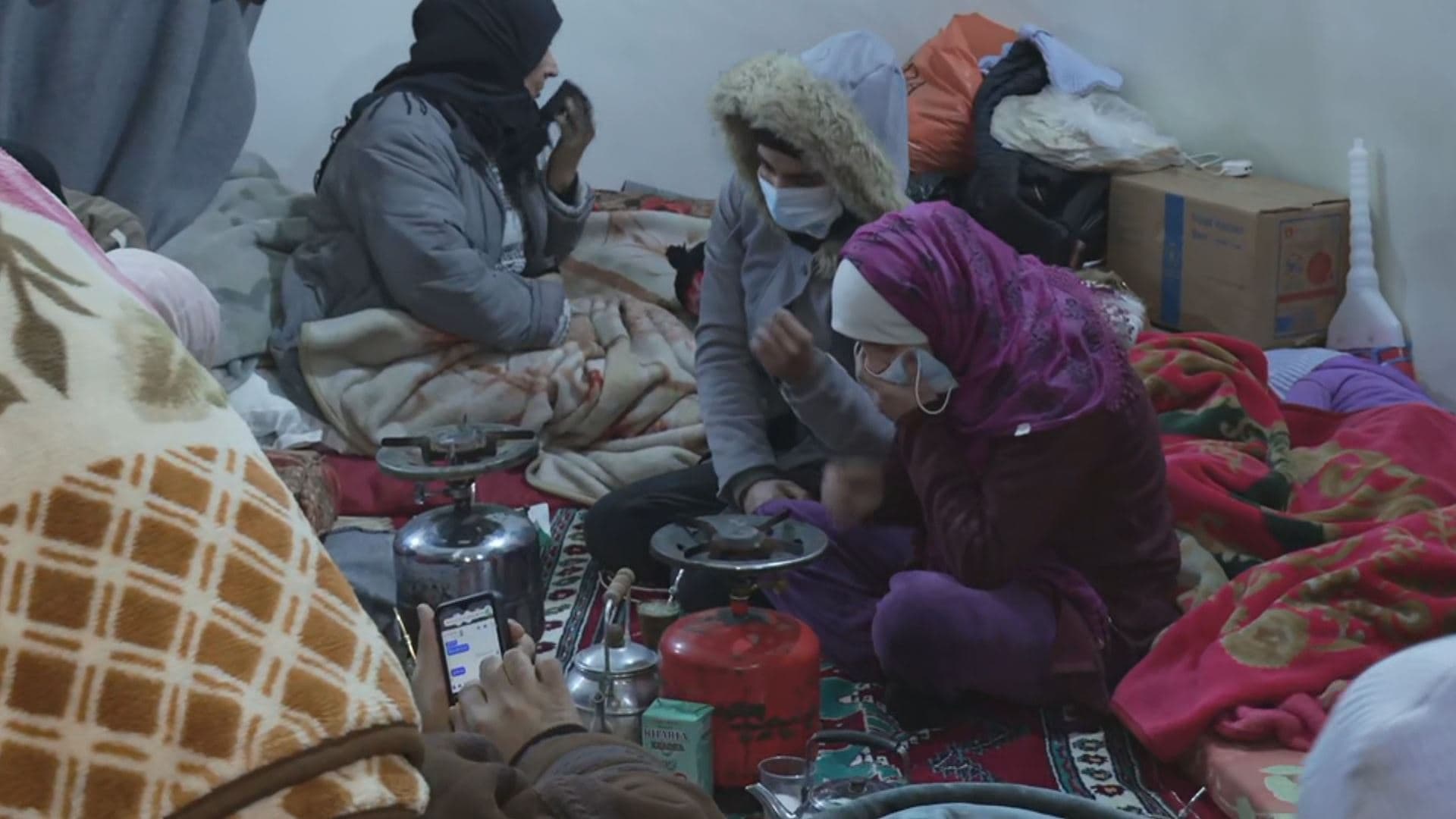
According to the signatories, more than 50,000 civilians have been internally displaced, a figure that continues to rise amid severe shortages of food, medicine, medical supplies, and essential services.
The appeal was signed by 23 civil society organizations and 34 Kurdish civil society actors in Rojava, who cautioned that the scale of displacement has overwhelmed local response mechanisms.
They stressed that the crisis has exceeded both the capacity of Kurdish civil society groups and the operational abilities of local administrative authorities to provide adequate relief.
The signatories called for immediate, coordinated international action to prevent further deterioration of humanitarian conditions. Their demands include the establishment of safe and unhindered humanitarian corridors for the delivery of aid and medical assistance, as well as effective civilian protection in line with international humanitarian law and relevant international conventions.
“Any delay in taking action risks triggering a large-scale humanitarian catastrophe,” the letter warned, emphasizing that the international community bears both moral and legal responsibility to act.
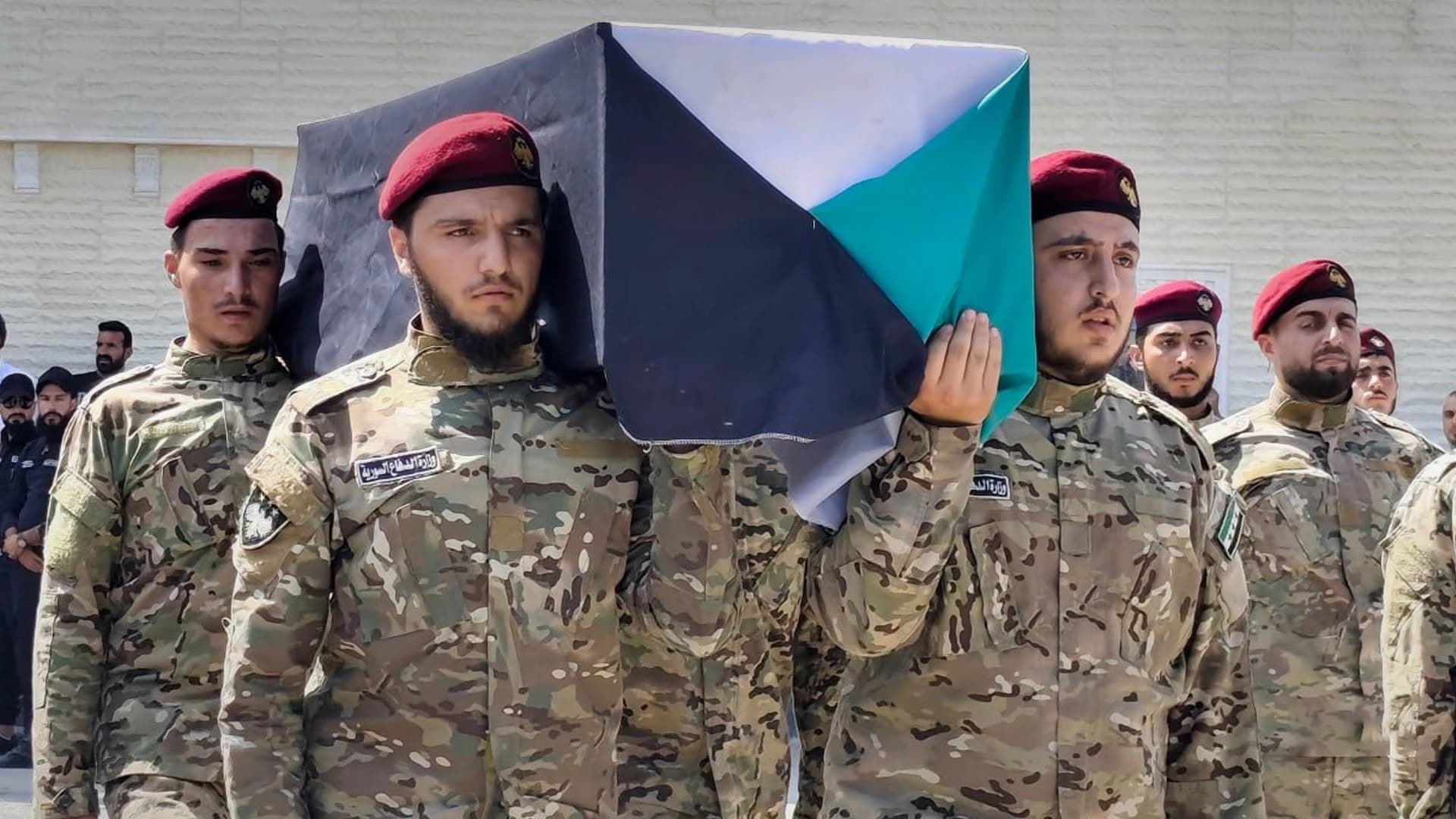
Meanwhile, military escalations continue across Rojava, where Syrian army forces and allied groups have intensified operations against the Kurdish-led Syrian Democratic Forces (SDF). The fighting began in mid-January east of Aleppo and has since expanded toward Raqqa, Deir ez-Zor, and Hasaka.
Amid the violence, Syrian interim President Ahmed al-Sharaa announced on Sunday that he had signed a 14-point agreement with SDF Commander Mazloum Abdi aimed at “immediately” halting hostilities and integrating SDF-administered areas into state institutions. The agreement includes provisions to transfer responsibility for ISIS detainees to Damascus, though talks on its full implementation are still underway.
On Tuesday, Kurdistan Region President Masoud Barzani and Sharaa held a telephone conversation to discuss regional developments and steps to bolster stability and security, according to a statement from the Syrian Presidency.
Speaking to reporters following a meeting at the Vatican on Wednesday, President Barzani said he had urged Sharaa to prevent the tensions from escalating into “a war between Kurds and Arabs.” He emphasized that “Kurds must be left unharmed” and called for all outstanding issues to be resolved through dialogue.
.webp&w=3840&q=75)