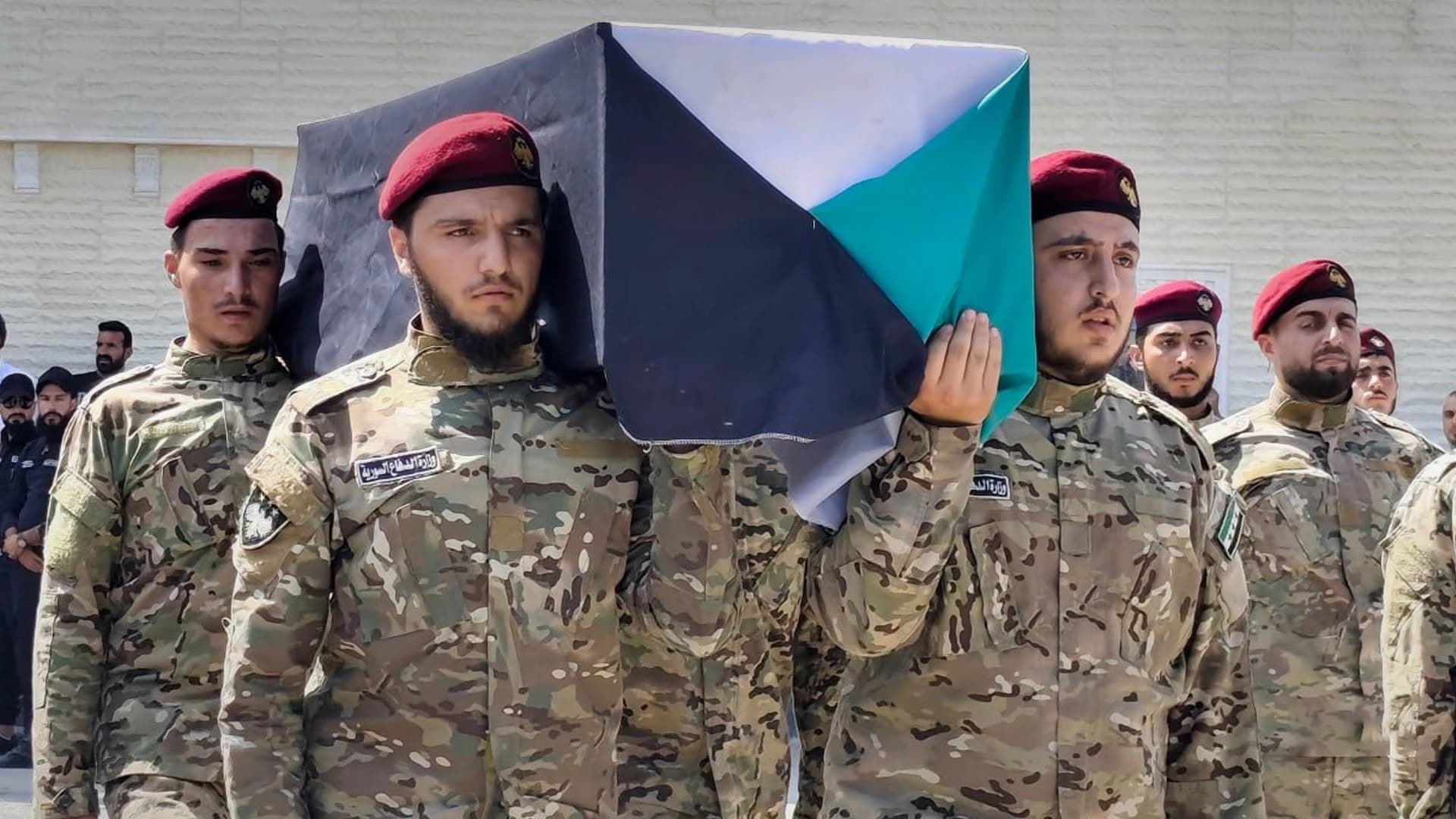
ERBIL, Kurdistan Region - A deepening crisis in northeastern Syria (Rojava), is once again forcing families from their homes. Thousands of Kurdish civilians are fleeing renewed clashes between armed factions affiliated with Damascus, and the Kurdish-led Syrian Democratic Forces (SDF), in what has become the latest chapter of a long and painful displacement.
Since mid-January, the Syrian Arab Army and affiliated armed groups have advanced into areas held by the SDF in eastern Aleppo, as well as parts of Deir ez-Zor, Raqqa, and the Kurdish-majority Hasaka province.
The SDF serves as the de facto military force of Kurdish-led northeast Syria (Rojava). Until Syria joined the US-led Coalition to Defeat ISIS in November, the Kurdish-led forces were the Coalition’s sole on-the-ground partner, playing a major role in ISIS’s territorial defeat in Syria in 2019.
The military escalations have driven more than 500 families, numbers that may soon rise into the thousands, into Qamishli and surrounding areas of the Jazira canton since mid-January 2026.
A ceasefire agreement signed earlier this month, intended to integrate SDF structures into state institutions, has proven fragile and repeatedly violated. Each breakdown brings renewed fear - not only of further displacement, but of broader instability, including threats to ISIS detention facilities and the specter of the group’s resurgence.
Rudaw correspondent Delnya Rahman visited a mosque in Qamishli where displaced Kurds - children, women, men, the elderly - have sought refuge after fleeing violence in Afrin, Kobane, Serekaniye (Ras al-Ayn), Hasakah, and, more recently, areas west of the Euphrates such as Raqqa and Tabqa.
For these families, prayer has become both shelter and solace - a final refuge after years of hardship and repeated uprooting.
One mother displaced from Afrin spoke through her grief.
“We went everywhere, but no one listened to us. We were expelled from Afrin. We came to the eastern Euphrates, and again no one heard our voices. Where are we now? We have nowhere to go. We are inside this mosque, and each family has only two or three meters of space. They bring us biscuits. Do we need biscuits? We are the people of Afrin. Return Afrin to us," the woman lamented.
Nearby, Shirin, a young girl displaced from Serekaniye, clung to a single, fragile hope - return.
“I want to go back to my home in Serekaniye. I want nothing else. Here, we are dying from the cold. We are exhausted. We have lived this life for seven years. Enough is enough. Kurds have rights too," she said.
Local authorities in Qamishli have designated 77 sites - including mosques and former military facilities - to shelter families fleeing the frontlines. Humanitarian teams distribute daily aid, but harsh winter temperatures, overcrowding, and limited space have made survival increasingly precarious. Many displaced families express profound frustration over what they describe as the international community’s silence.
A woman from Hasakah spoke in fear and anger.
“This is not a Muslim state. They came in the name of Islam to slaughter Kurds. They kill children in their cradles and elderly men and women. They came to erase us. If Kurds are not united, it is all in vain," she sighed.
Rudaw also visited a former Assad-era military facility where dozens of families from Afrin, Kobane, and Serekaniye have lived for more than a year. In each room, four or five families share a single, cramped space.
Extended power outages - sometimes lasting days - have deepened the suffering, with children bearing the brunt of the biting cold. Many residents declined to be filmed, fearing exposure and vulnerability. But Jivara, a woman from Afrin, spoke quietly, her words carrying a stubborn resilience.
“May Kurdistan’s eyes shine bright. This hardship will pass too," Jivara said.
While nightly curfews after 7pm remain in place across much of Rojava due to security concerns, Qamishli has remained relatively calmer. Still, residents say they are weary - worn down by years of war, displacement, and uncertainty - and long for lasting peace.
Civil society organizations in Rojava warn that a humanitarian catastrophe is imminent. More than 50,000 civilians have reportedly been displaced in recent weeks alone, overwhelming already-strained local resources. Calls are growing louder for urgent international action - to protect civilians, halt ongoing attacks, and address the root causes of a crisis that continues to uproot lives, generation after generation.