ERBIL, Kurdistan Region - An official from the Kurdish-led administration of northeastern Syria (Rojava) said Wednesday that they will not hand over the Qamishli court to Syrian authorities despite the ongoing integration process because Damascus eyes the appointment of “Baathist state judges” and seeks the exclusion of Kurds in the judiciary.
“It is clear that Damascus’s approach to integration is veering away from the legal, judicial, and political meaning of integration,” Khalid Ibrahim, member of Rojava’s foreign relations department, told Rudaw. He added that although the Kurdish authorities have taken “some steps” in the integration process with Damascus “in good faith”, the judiciary is “truly a matter of debate and negotiation.
Damascus and Rojava signed a 14-point agreement on January 29 after weeks of sharp clashes. The Syrian Democratic Forces (SDF), the de facto army in Rojava, lost eastern Aleppo, Raqqa, Deir ez-Zor, and some parts of the Kurdish-majority Hasaka province in the conflict, which erupted in December.
Both sides agreed to integrate Rojava’s military and civil institutions within the Syrian state apparatus. The process is moving steadily, according to some officials, with the SDF assuming positions within the central government, including key posts within the defense and security structures.
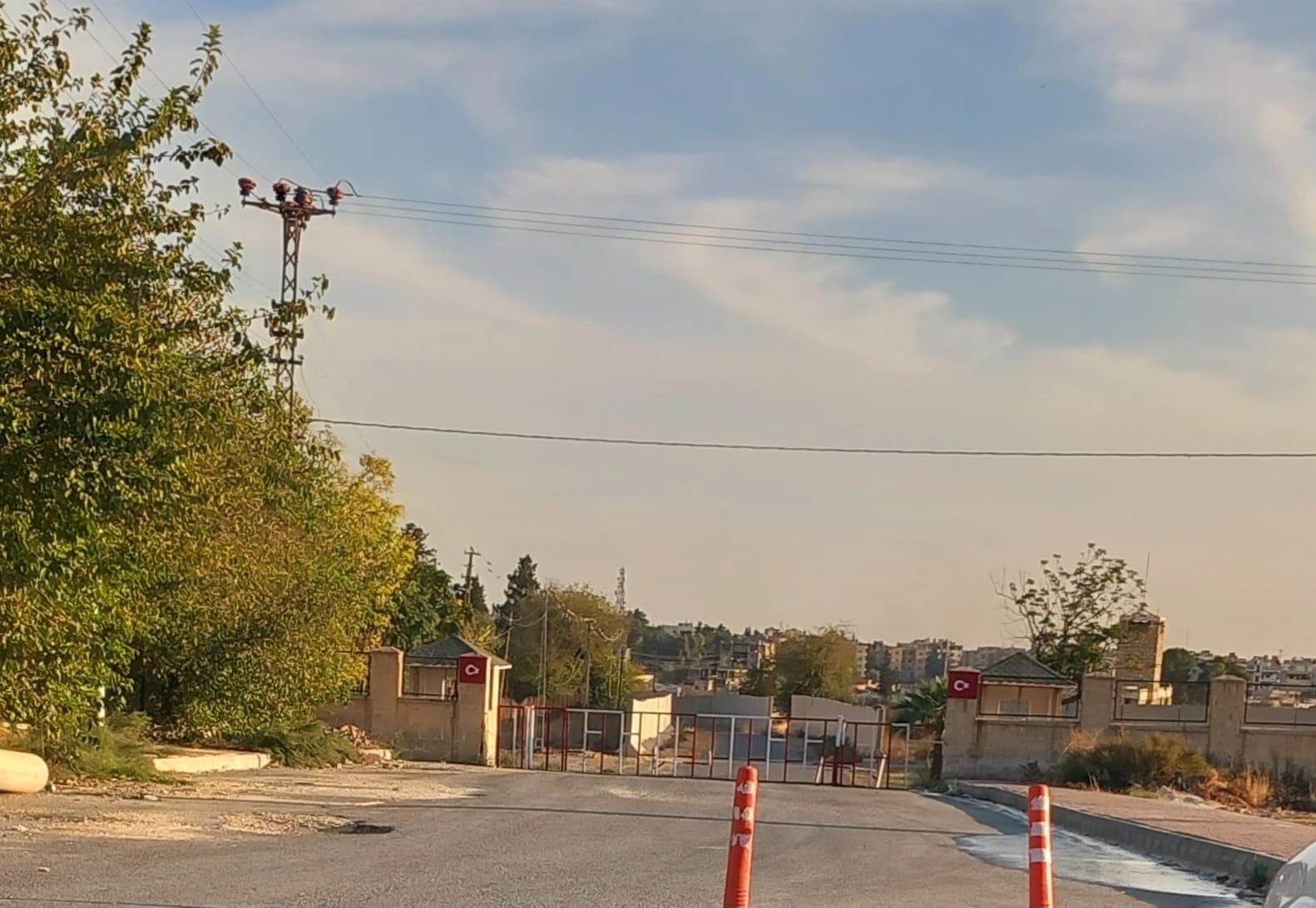
Disputes rose after a delegation from the Syrian justice ministry arrived in Qamishli on Tuesday to take over the court in the city as a part of the integration process with the SDF. However, they were prevented from entering the court.
Ahmad al-Hilali, spokesperson of Damascus's team overseeing the integration process with the SDF, told Rudaw after the incident that their plan was to “obtain the names of the Autonomous Administration’s employees and judges.”
“The goal is for them to be placed within the judicial institution [Qamishli court] based on their expertise and academic qualifications,” he added, noting that this action is within the framework of the integration agreement.
The January agreement between the SDF and Damascus pointed to restoring the Syrian government’s control over Rojava’s civil institutions without replacing their employees.
Rojava official, Ibrahim, showed skepticism of Damascus’s intentions in the visit.
“Their demand is once again those former Ba’athist state judges,” he told Rudaw on Wednesday, accusing the Syrian interim government of replacing competent Kurdish judges and judicial staff with “loyalists.”
“This is unacceptable,” he said, adding that the process must happen through “negotiation and consensus, not through imposition.”
Khalid also added that the judges and judicial staff of Rojava must be “evaluated and placed in government institutions according to their expertise and skills”.
A coalition of Sunni radical groups – led by Ahmed Sharaa’s now-ousted Hay’at Tahrir al-Sham (HTS) – ousted the long-seated Syrian dictator in December 2024, bringing decades-long rule of the ultra-chauvinistic Baath party to an end. After the outbreak of the Syrian Civil War in 2011, Kurdish forces expelled what they call Baathi officials from the city and overtook the institutions in northeast Syria. Sharaa was announced the interim president of the country.