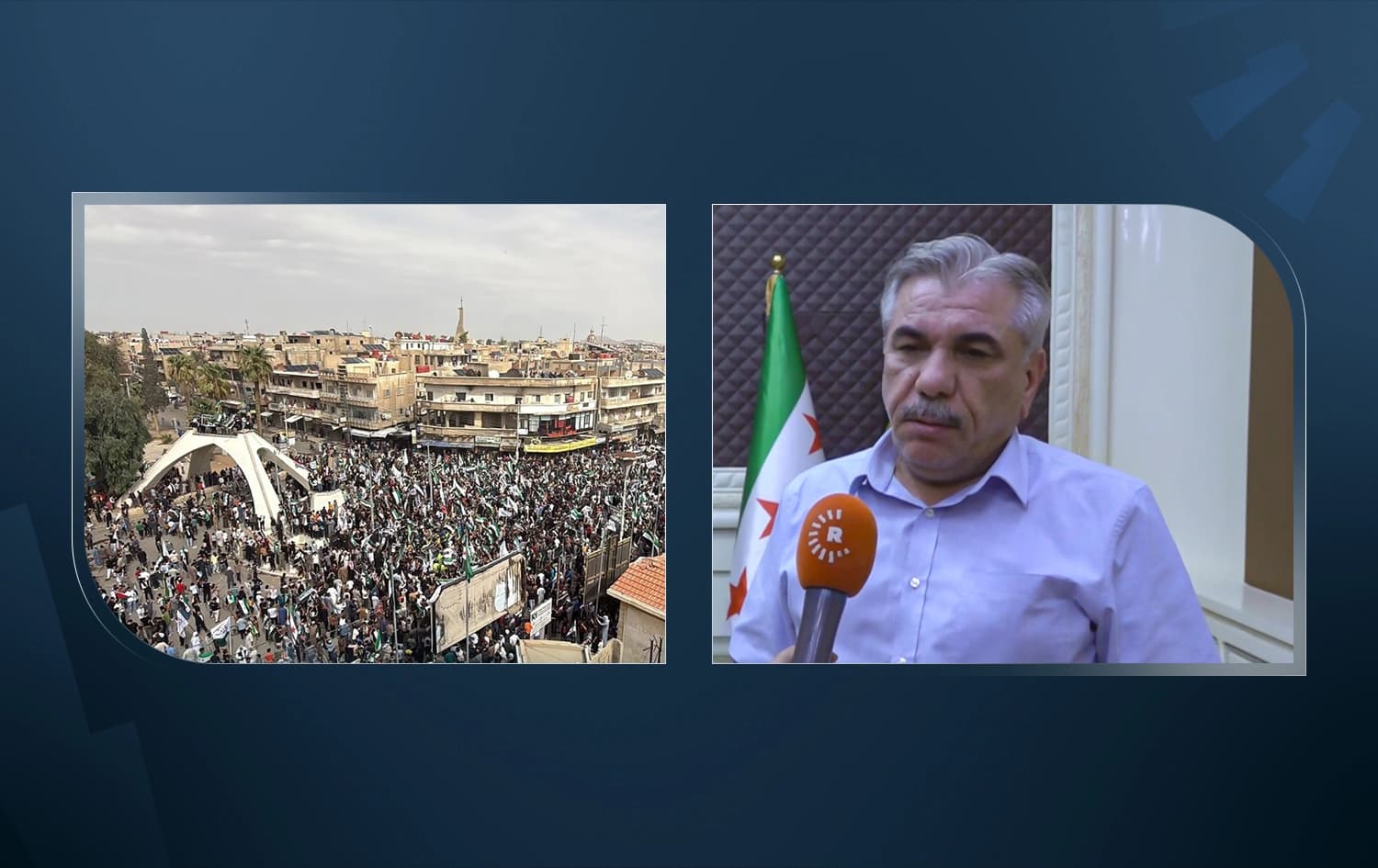
ERBIL, Kurdistan Region - The Permanent Representative of Syria to the United Nations, Ibrahim Olabi, said on Wednesday that talks between Damascus and the Syrian Democratic Forces (SDF) are progressing smoothly, describing the negotiations as moving forward at “exceptional” speed and growing coordination between the two sides.
Speaking to Rudaw, Olabi said that the negotiations “are going exceptionally well compared to what people think would happen,” adding that “a situation so complex is being resolved so easily, it shows the maturity of the different parties,” referring to the previous tensions between Damascus and the Kurdish-led force.
His remarks come as Damascus and the SDF continue implementing a landmark 14-point agreement reached on January 29, with significant mediation from the United States through its Special Envoy for Syria, Tom Barrack, alongside Kurdish political figures from the Kurdistan Region.
The deal followed a sharp escalation in mid-January, when Syrian government forces and affiliated armed groups seized territory previously held by SDF forces in eastern Aleppo, Raqqa, Deir ez-Zor, and the Kurdish-majority Hasaka province in northeast Syria, known as Rojava.
The SDF, which serves as the de facto military force in Rojava and remains a key partner of the US-led Global Coalition to Defeat ISIS, had controlled these areas since expelling the extremist group during the war against it.
Under the agreement, a permanent and comprehensive ceasefire was established, alongside provisions calling for the integration of civil and military institutions in Rojava into the Syrian state. Since its implementation, several SDF-linked figures have already assumed government roles, including positions within the defense and internal security structures, as well as local administration posts in Hasaka province.
Olabi acknowledged that differing views exist within the SDF but framed them as part of a normal political process. “Of course, there’s different views also among SDF, and that’s a healthy thing,” he said. “But the speed - you heard it here in the council - people are very impressed by how things are going. We’re very happy how things are going.”
Despite differing timelines and expectations, Olabi insisted the direction of talks remains positive. “The strategic vision is there,” he said. “Positions and places and how we do it is tough for talks, and as long as talks are happening, we’re on the right direction.”
“I’m glad that the strategic impasse is no longer there, and now we’re working on the tactical things and learning together and moving ahead together, and that’s exactly how it should be,” he added.
Nour al-Din Issa Ahmed, the newly appointed governor of Hasaka and an SDF affiliate, said last week that the integration process is advancing, though without a fixed timeline. Another senior Rojava official noted on Monday that progress remains “slow.”
Elham Ahmad, co-chair of Rojava’s foreign relations department, has also stressed the need for broader political reform, saying, “Syria needs a new constitution, and its drafting committee must include representatives from all components.”