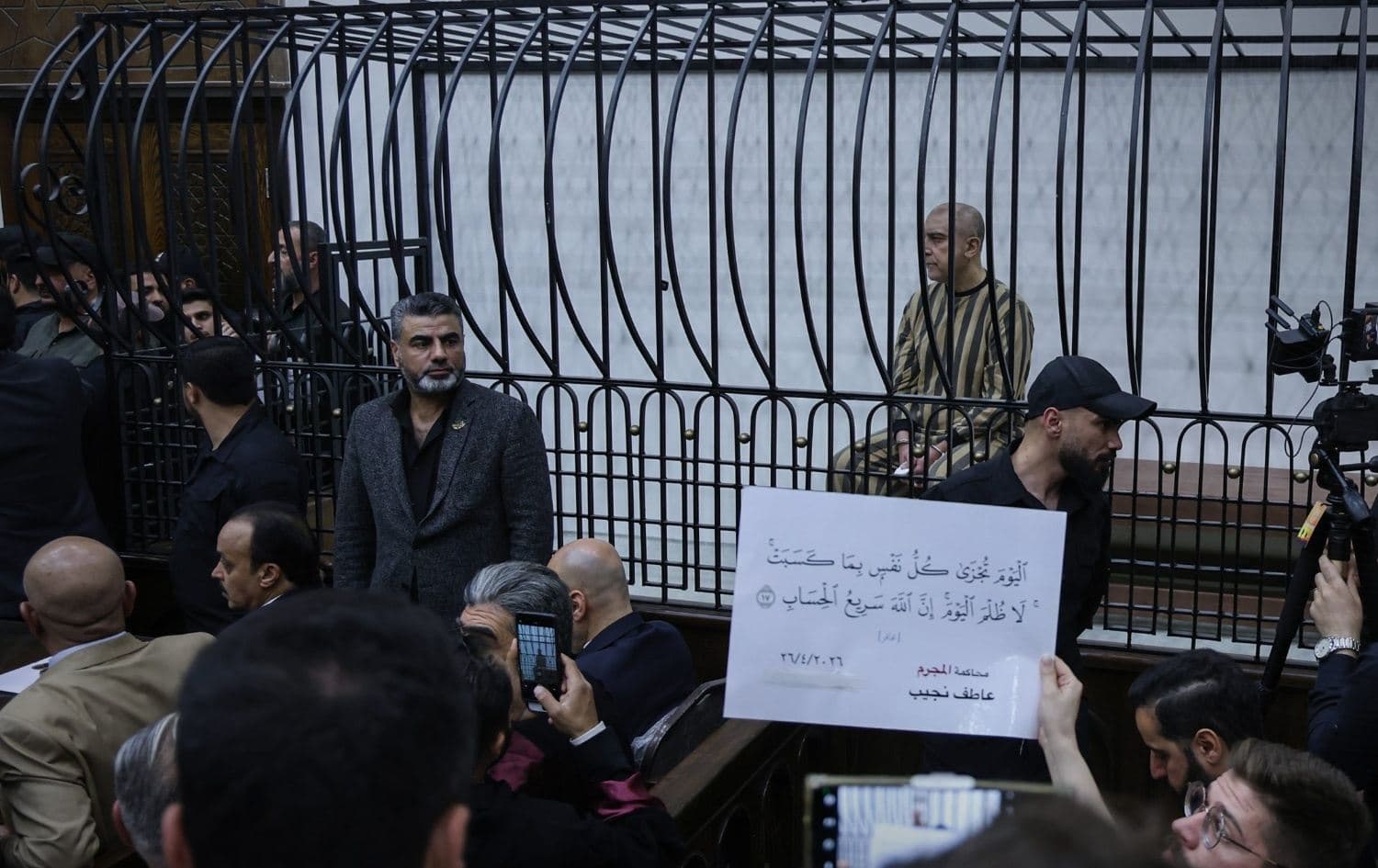
ERBIL, Kurdistan Region - Syrian authorities on Sunday launched the first public trial of a senior figure from the former Assad regime, as Atef Najib appeared before a criminal court in Damascus over alleged crimes committed during the early days of the 2011 uprising.
Najib, a former brigadier general and former head of the Political Security Branch in Daraa province, is accused of crimes against the Syrian people, according to Syrian state media Syrian Arab News Agency (SANA). Sunday’s hearing focused mainly on procedural steps, with the court verifying his identity and scheduling the next session for May 10.
Najib is also a cousin of former Syrian president Bashar al-Assad.
The trial carries strong symbolic weight for many Syrians. Najib is widely associated with one of the incidents that helped spark the uprising against Bashar al-Assad’s rule. In March 2011, security forces in Daraa detained a group of teenagers after anti-government graffiti was found on school walls. Reports that the boys were tortured fueled protests that soon spread across the country.
According to SANA, the court also called the names of several former officials being tried in absentia, including Bashar al-Assad, his brother Maher al-Assad, and others. They reportedly face accusations ranging from torture and killings to extortion and drug trafficking.
The hearing was attended by relatives of victims, lawyers, and journalists under tight security.
Najib was arrested in January 2025 by Syria’s new authorities after the collapse of Assad’s government in late 2024. For many Syrians, his detention marked one of the first visible steps toward accountability after more than a decade of war.
Syria’s interim leadership under President Ahmed al-Sharaa has faced criticism for moving slowly on transitional justice. But the opening of Najib’s public trial may signal a broader push to hold former regime figures accountable.
The Syrian conflict, which began in 2011, killed hundreds of thousands of people and forced millions from their homes.
Najib, a former brigadier general and former head of the Political Security Branch in Daraa province, is accused of crimes against the Syrian people, according to Syrian state media Syrian Arab News Agency (SANA). Sunday’s hearing focused mainly on procedural steps, with the court verifying his identity and scheduling the next session for May 10.
Najib is also a cousin of former Syrian president Bashar al-Assad.
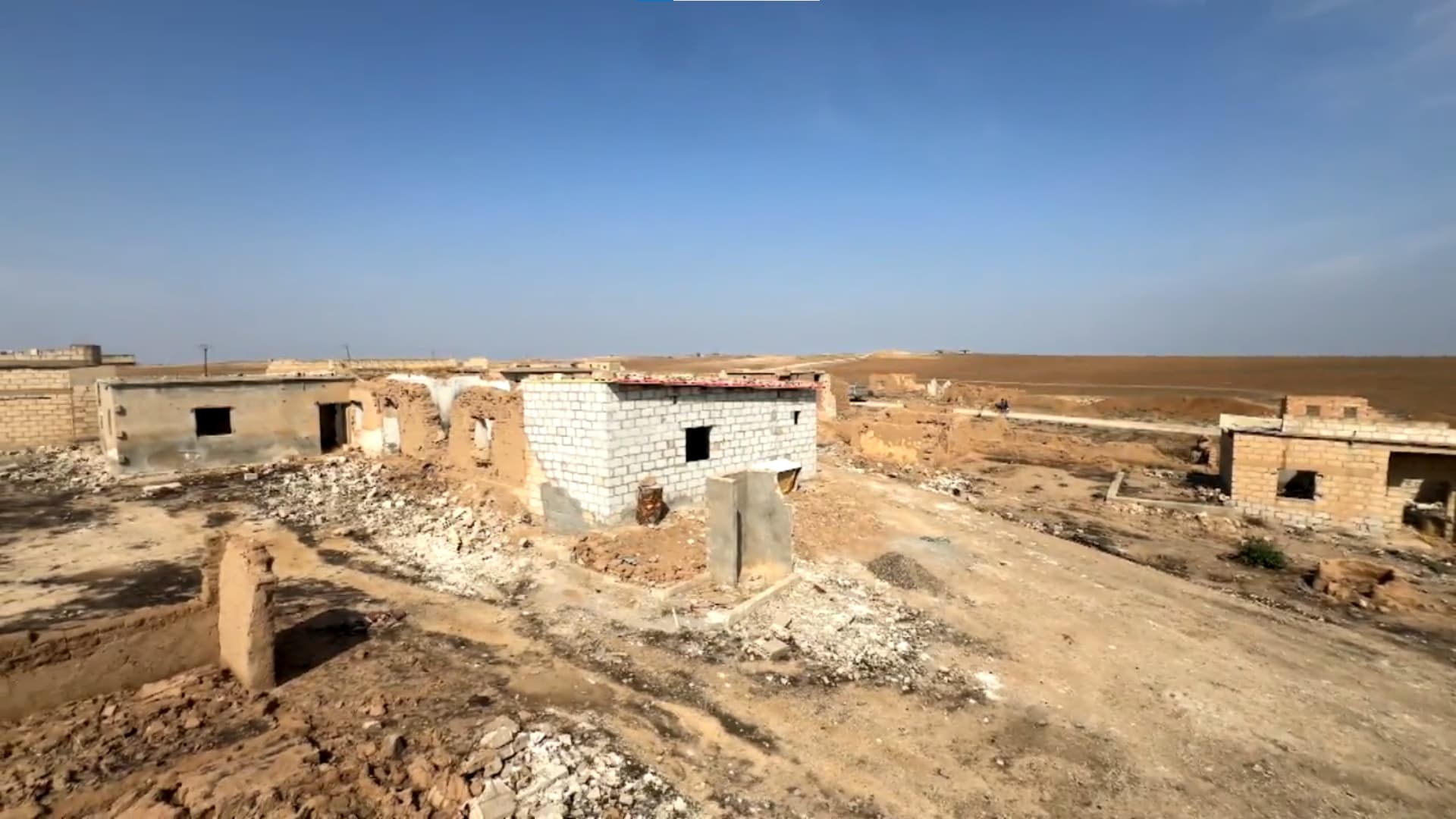
The trial carries strong symbolic weight for many Syrians. Najib is widely associated with one of the incidents that helped spark the uprising against Bashar al-Assad’s rule. In March 2011, security forces in Daraa detained a group of teenagers after anti-government graffiti was found on school walls. Reports that the boys were tortured fueled protests that soon spread across the country.
According to SANA, the court also called the names of several former officials being tried in absentia, including Bashar al-Assad, his brother Maher al-Assad, and others. They reportedly face accusations ranging from torture and killings to extortion and drug trafficking.
The hearing was attended by relatives of victims, lawyers, and journalists under tight security.
Najib was arrested in January 2025 by Syria’s new authorities after the collapse of Assad’s government in late 2024. For many Syrians, his detention marked one of the first visible steps toward accountability after more than a decade of war.
Syria’s interim leadership under President Ahmed al-Sharaa has faced criticism for moving slowly on transitional justice. But the opening of Najib’s public trial may signal a broader push to hold former regime figures accountable.
The Syrian conflict, which began in 2011, killed hundreds of thousands of people and forced millions from their homes.

Comments
Rudaw moderates all comments submitted on our website. We welcome comments which are relevant to the article and encourage further discussion about the issues that matter to you. We also welcome constructive criticism about Rudaw.
To be approved for publication, however, your comments must meet our community guidelines.
We will not tolerate the following: profanity, threats, personal attacks, vulgarity, abuse (such as sexism, racism, homophobia or xenophobia), or commercial or personal promotion.
Comments that do not meet our guidelines will be rejected. Comments are not edited – they are either approved or rejected.
Post a comment