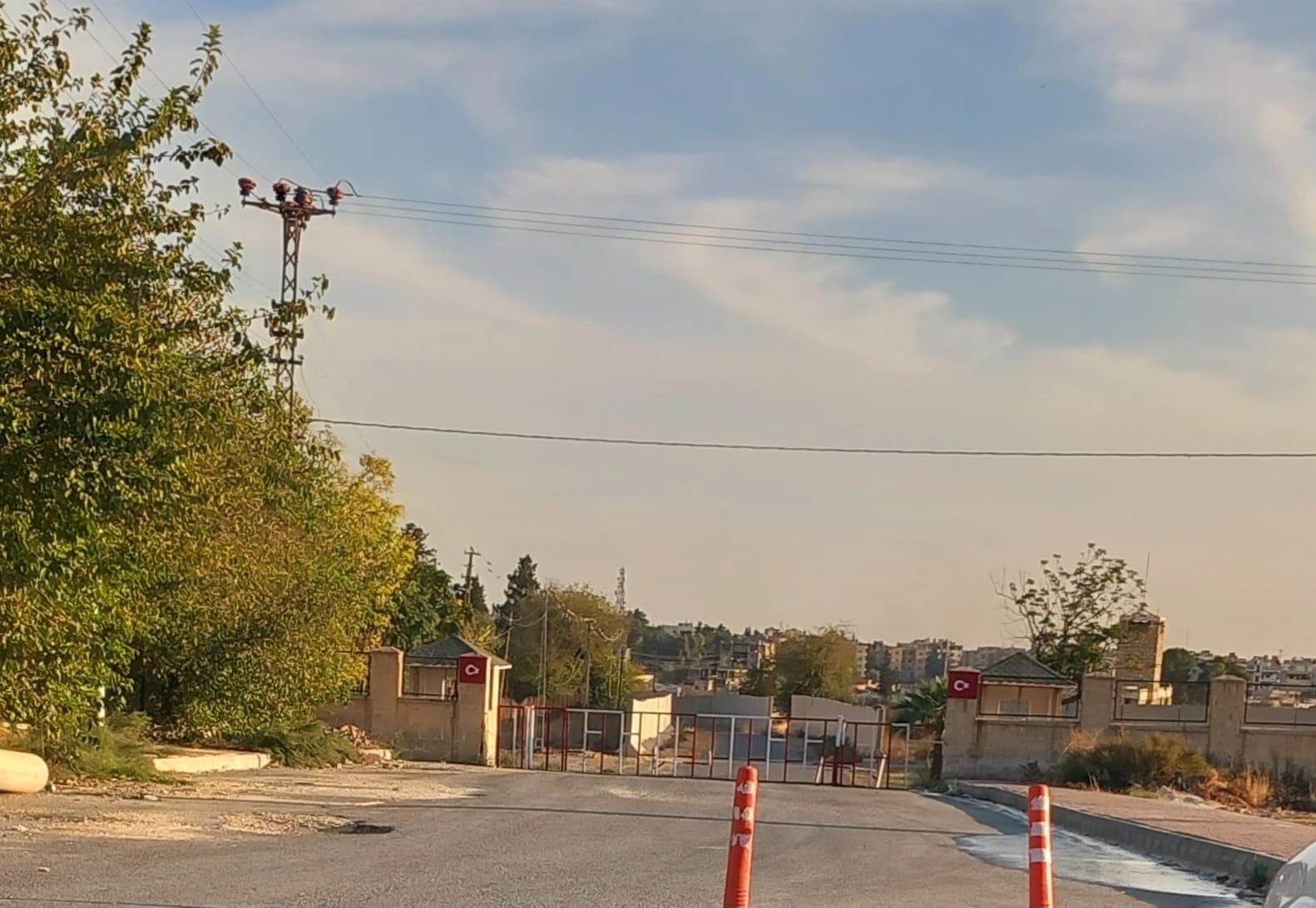
QAMISHLI, Syria - Russian forces have completed their withdrawal from Qamishli International Airport amid a new agreement that will see the Syrian government and the Kurdish-led Autonomous Administration jointly manage the facility, an official said on Friday.
The departure marks the end of a significant Russian presence in the heart of the Kurdish-controlled northeast. Since 2019, Russia—the primary backer of the former Syrian president Bashar al-Assad—had utilized the airport as a strategic military hub.
The withdrawal process spanned a week, culminating on the 22nd of the month when approximately 200 Russian soldiers stationed across three points evacuated the site along with all their heavy equipment and hardware.
Under the terms of a new deal between the Syrian Democratic Forces (SDF) and Damascus, the airport will transition back to government oversight while maintaining a presence of staff from the Autonomous Administration.
"The government will coordinate with the Rojava administration," said Azad Hiso, an executive member of the Kurdish Autonomous Administration. "Anyone departing from or entering through Qamishli International Airport must have the government stamp [on their passport],” he noted, adding that this is standard practice and how it works all over the world.
The airport, originally a civilian facility, became a semi-military zone during the height of the Syrian conflict as Moscow used it to project power in the region.
The years of Russian presence left a unique cultural footprint on the adjacent "Mattar" (Arabic for airport) neighborhood. Due to constant interaction with the garrison, many local children and young men have become remarkably fluent in the Russian language.
Raman Abdullah, a local resident who learned Russian from the soldiers, said they had limited permission from their superiors to walk through the neighborhood and purchase goods.