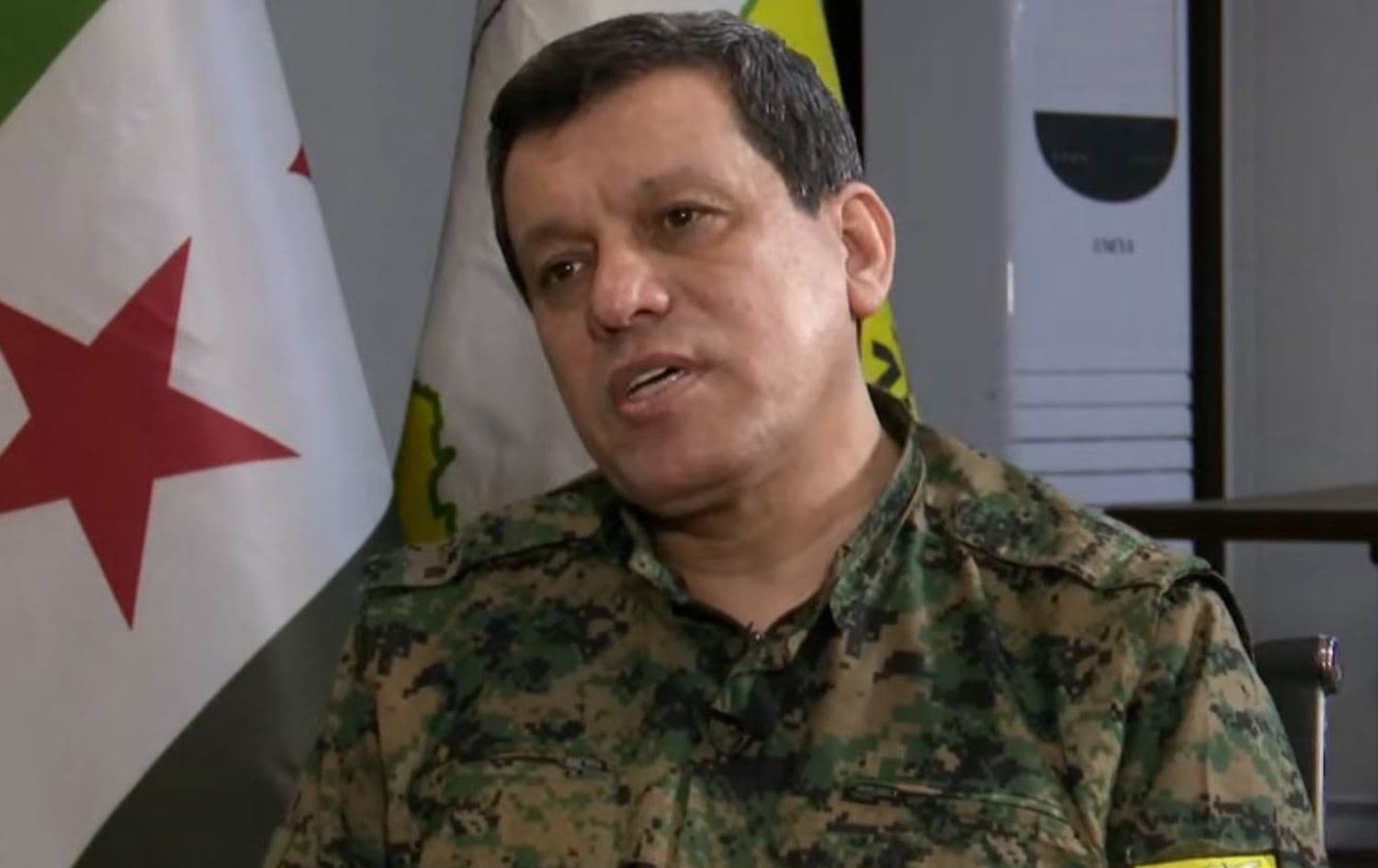

ERBIL, Kurdistan Region - Syrian Democratic Forces (SDF) commander-in-chief Mazloum Abdi said Friday that under the newly announced agreement with Damascus, security and administrative institutions in northeast Syria (Rojava) will remain in place, with limited entry by government forces as part of an integration process.
“There was a threat of genocide against our people,” Abdi said in an interview with Ronahi TV, describing the context in which the deal was reached. “The most important issue of this agreement is the ceasefire.”
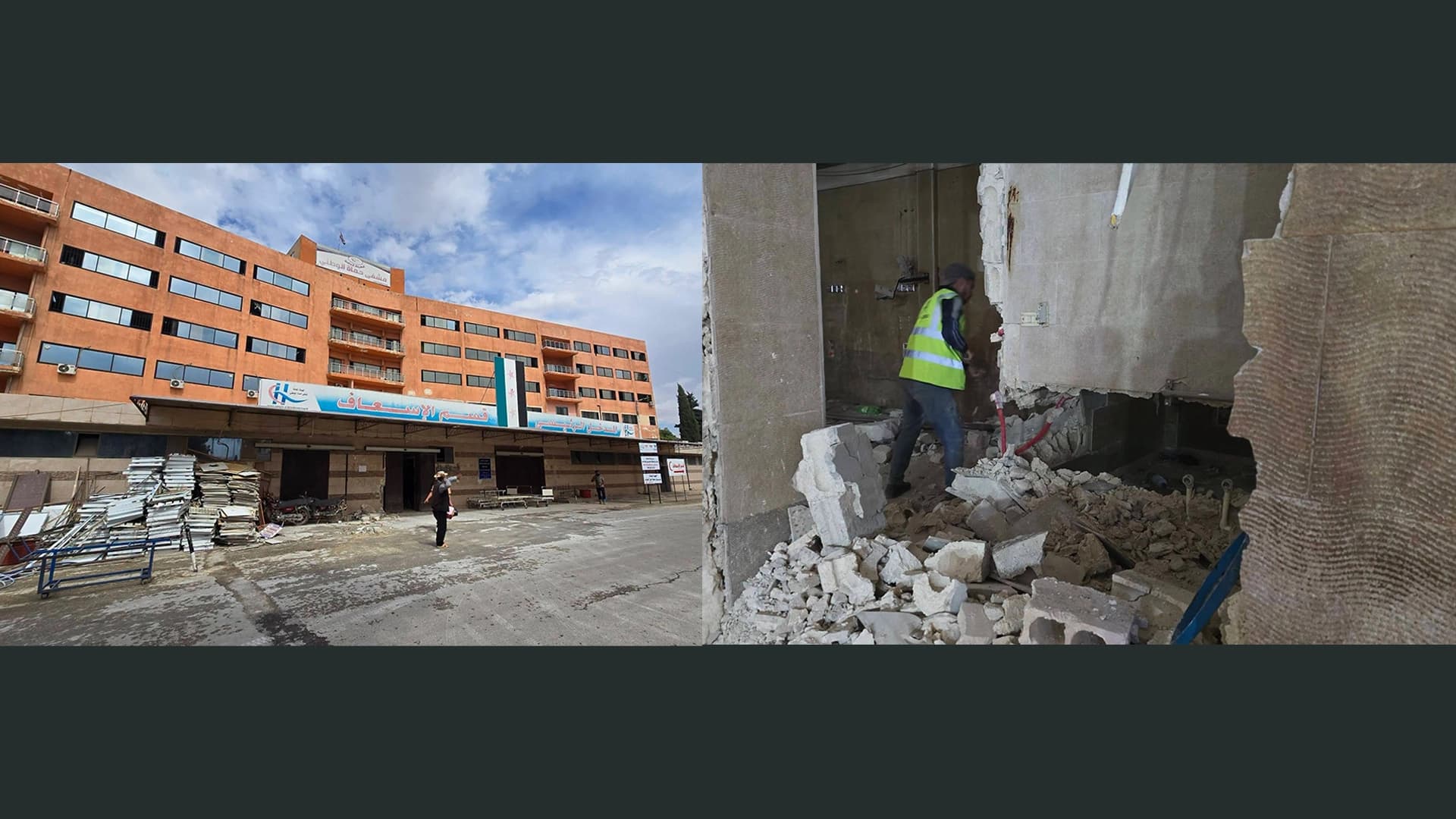
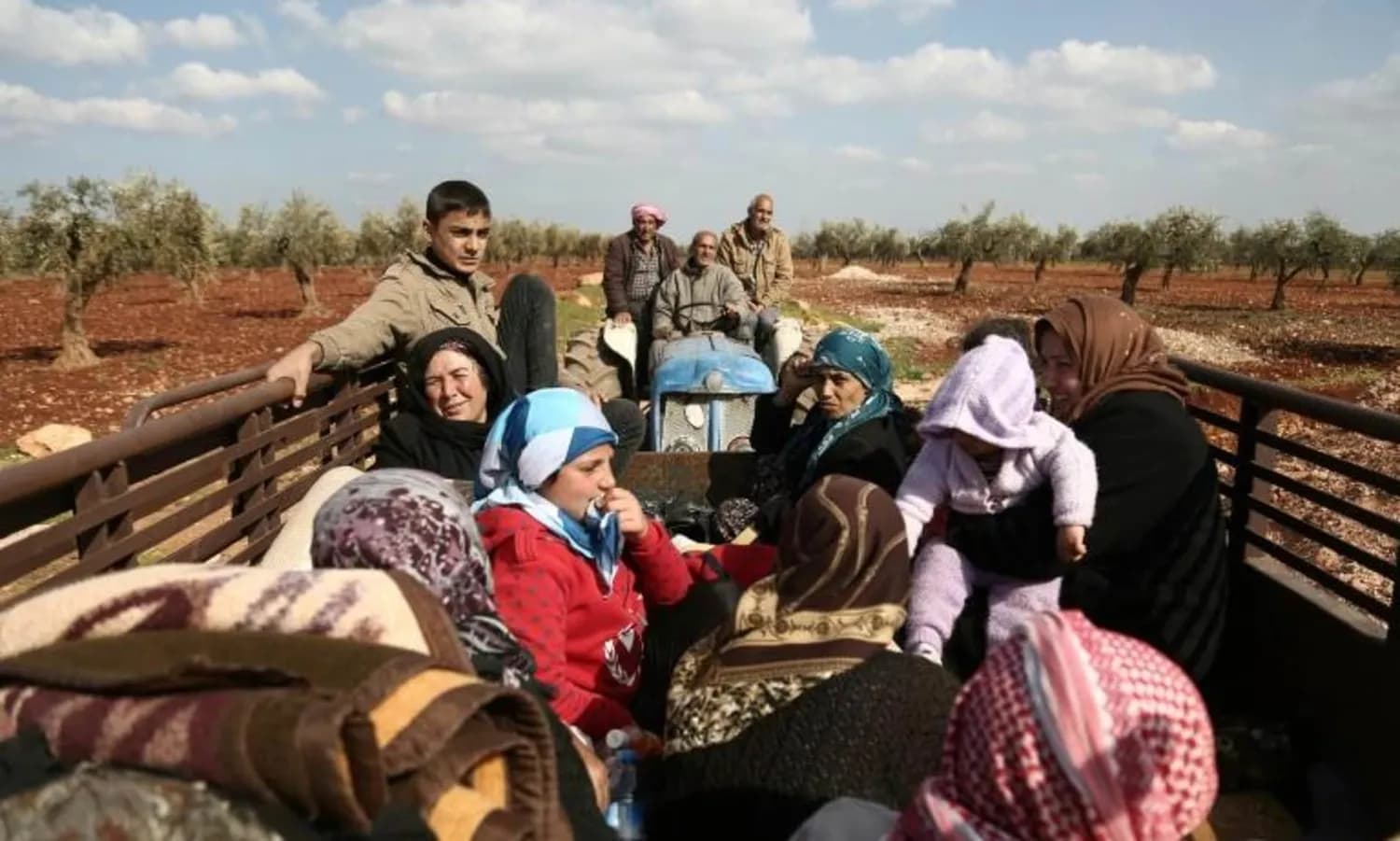
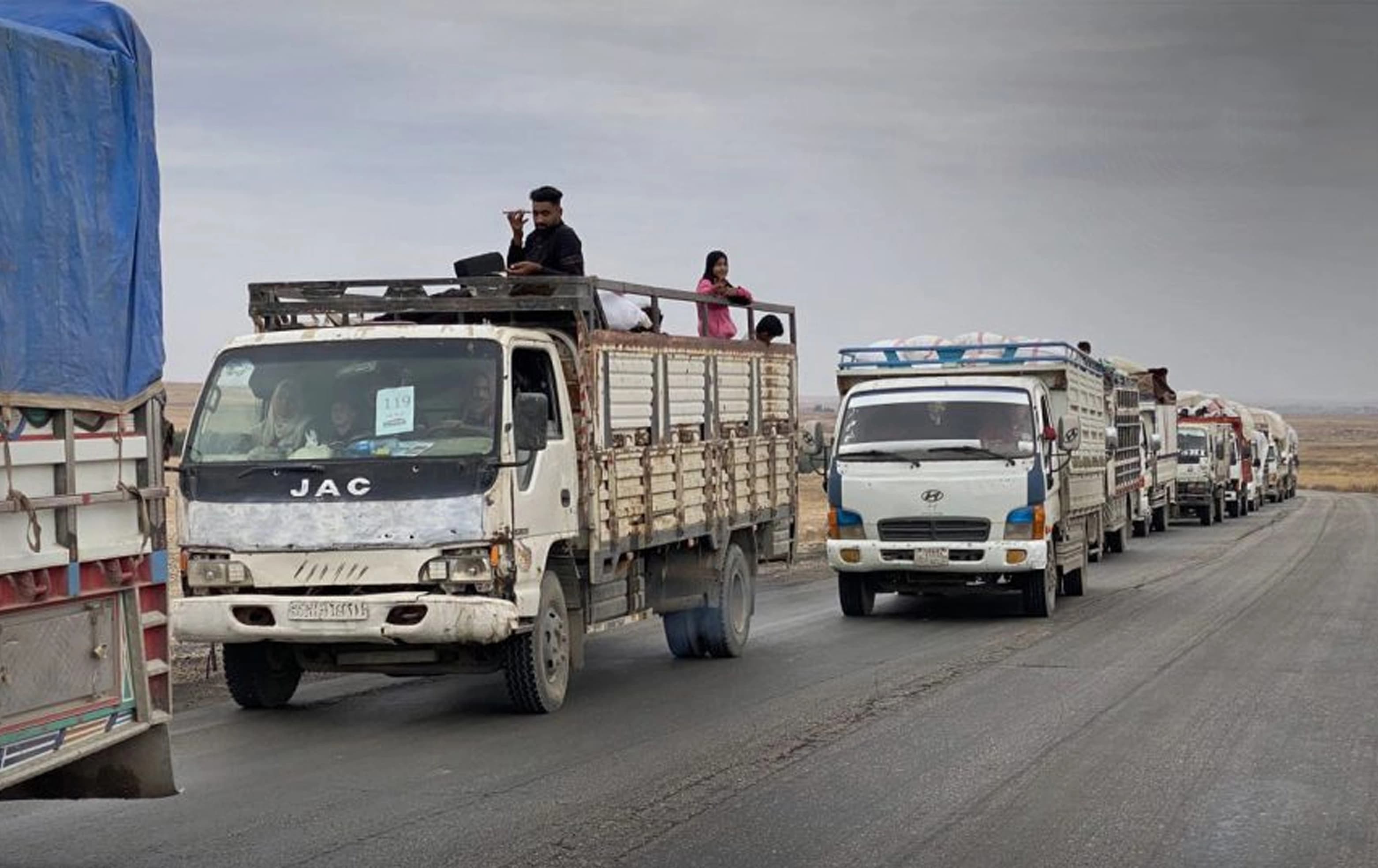
The agreement follows a large-scale offensive by the Syrian Arab Army and Damascus-affiliated factions aimed at capturing territory and key infrastructure held by the Kurdish-led SDF in Rojava. The fighting forced SDF withdrawals from Kurdish-majority neighborhoods in Aleppo, the predominantly Kurdish province of Hasaka and former Islamic State (ISIS) strongholds in Deir ez-Zor and Raqqa. According to United Nations estimates, around 100,000 people, most of them Kurds, were displaced.
Abdi said international mediation played a role in securing the deal. “The President of France told me if you sign the agreement, I will become the political guarantor,” he said.
French President Emmanuel Macron, in a statement earlier in the day, praised interim President Ahmad al-Sharaa and Abdi for reaching the agreement, which includes “the peaceful integration” of the SDF, saying that “France will support the full implementation of this agreement.”
The agreement, shared by the SDF and Syrian state television, stipulates that security forces affiliated with the interim Interior Ministry will be allowed to enter the northeastern cities of Hasaka and Qamishli. Abdi said their presence would be limited. “These forces will have no duty over the cities, so our people can be at ease,” he said.
Addressing fears among residents after weeks of fighting, Abdi said the agreement includes assurances for Kurdish areas. “No army will enter any Kurdish village or town in the regions,” he said, adding that “the people of the region will carry out internal protection.”
Under the deal, three military brigades will be formed from SDF forces, in addition to a brigade formed from Kobane forces “within a division affiliated with the Aleppo province.” The agreement also calls for integrating Rojava’s institutions “into the institutions of the Syrian state.”
Abdi said the “SDF forces will remain” in Jazira - areas east of the Euphrates, covering much of the provinces of Deir ez-Zor, Raqqa, and Hasaka - and the northern city of Kobane “in the form of brigades.”
He added that “the agreement will enter into force on February 2 and the siege on Kobane will be lifted.”
Kobane, a symbol of resistance against the Islamic State (ISIS), has been under siege by Damascus forces and is facing a humanitarian crisis, with Human Rights Watch warning Wednesday of a “serious humanitarian situation” unfolding in the city.
Abdi said the agreement “also applies to Afrin and Sere Kani [Ras al-Ayn],” areas previously lost by Kurdish forces. He urged displaced residents to return. “I call on our people to return to their places, especially Hasakah,” he said.
Hundreds of thousands of people, mostly Kurds, fled Afrin in 2018 during a military operation by Turkey and its Syrian proxies. Turkey and allied armed groups later seized the Kurdish towns of Sari Kani and nearby Gire Spi (Tal Abyad) in a 2019 offensive dubbed Operation Peace Spring against the SDF. The operation displaced hundreds of thousands of residents, many of whom fled to Kurdish-held areas and the Kurdistan Region.
Seeking to reassure residents about governance, Abdi said, “The institutions that the Autonomous Administration was managing will remain as they are.”
The deal closely mirrors a 14-point plan agreed earlier this month between al-Sharaa and Abdi. It calls for a permanent ceasefire and includes provisions addressing the humanitarian fallout of the fighting.
Damascus and international actors have pressed for the autonomously run SDF and Kurdish-led local administrations in Rojava to fall under central government authority.
While Kurdish leaders agreed in principle to the arrangement, they have expressed concern about losing authority and Kurdish rights under a Sunni Arab-led government. Sharaa sought to ease those concerns with a decree pledging guarantees for historic cultural, linguistic, land and citizenship rights for Kurds.
However, violence has persisted in parts of Syria since the ouster of longtime ruler Bashar al-Assad by the now-dissolved jihadist group Hay’at Tahrir al-Sham (HTS), which Sharaa used to lead under his nom de guerre Abu Mohammed al-Jolani.
The interim authorities have faced mounting criticism over their centralized style of governance. In March, Sharaa signed a constitutional declaration emphasizing Islamic jurisprudence, drawing backlash from Alawite, Christian, Druze, and Kurdish communities, who viewed it as exclusionary.
Calls for decentralization or federalism grew among minority groups following waves of violence, especially after clashes left nearly 800 dead in the Druze-majority Suwayda province in mid-July and in Alawite-majority coastal regions in March, which war monitors say left nearly 2,000 people dead. Damascus and its affiliated forces have been seen as responsible for killing many civilians.