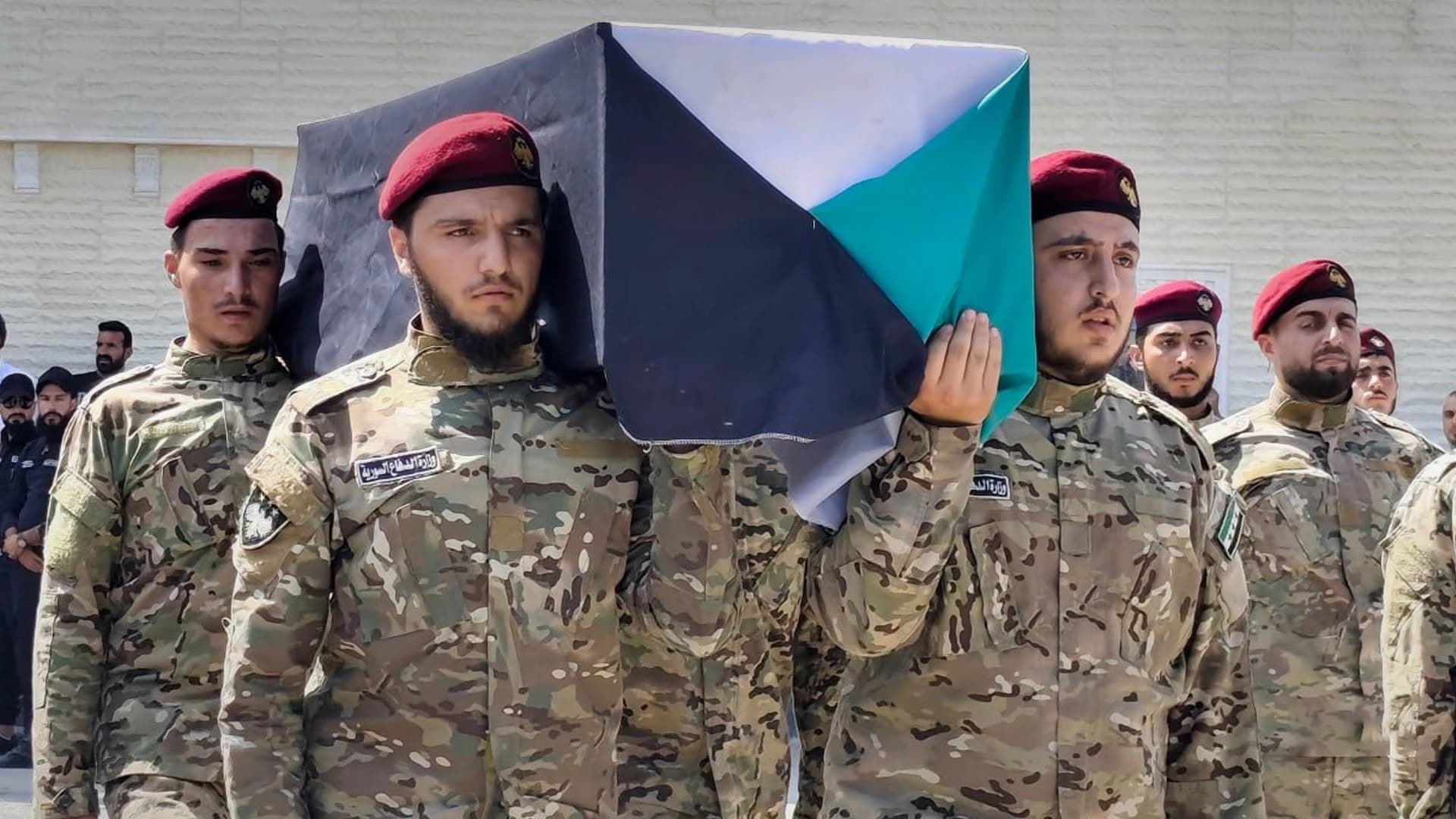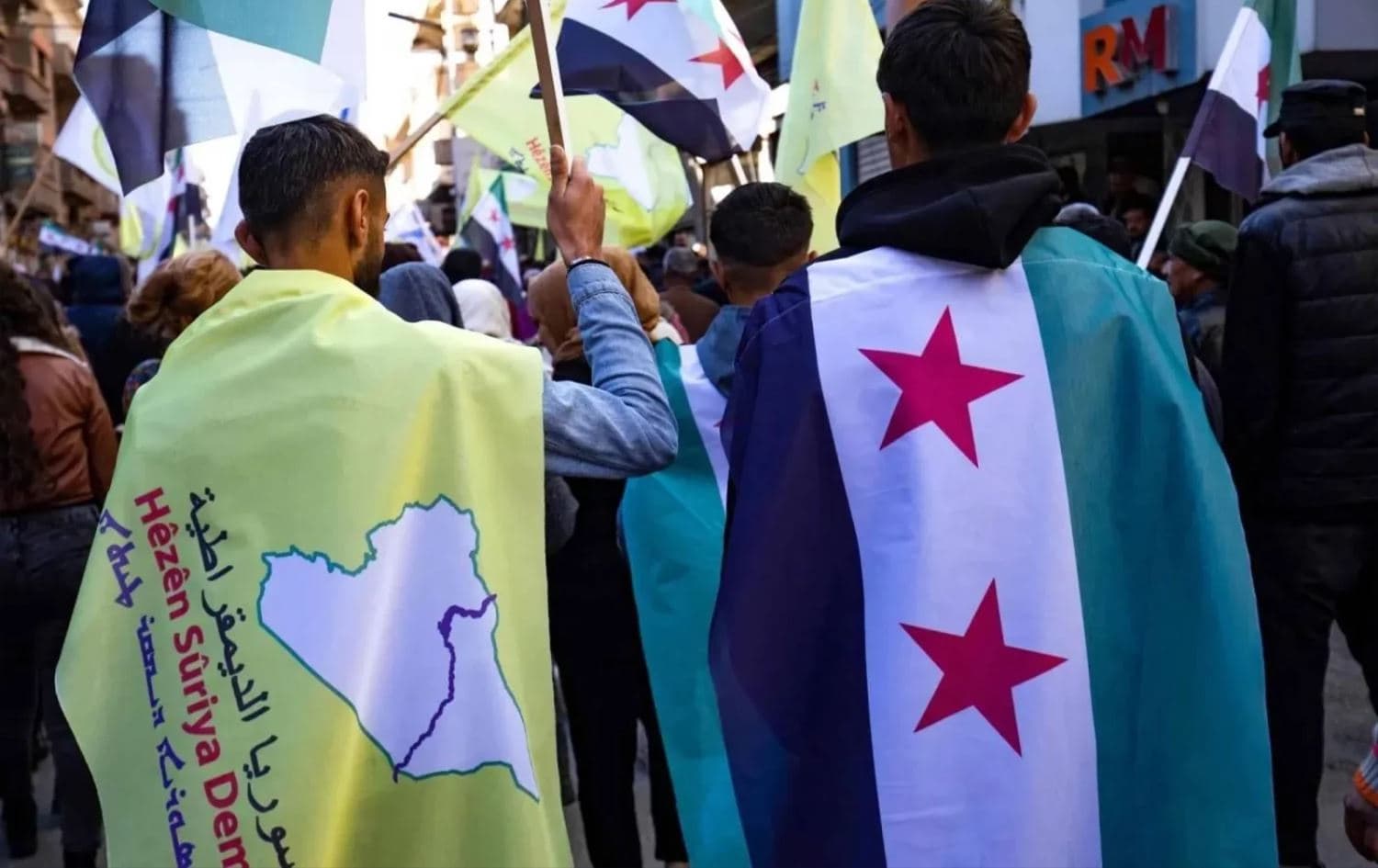

ERBIL, Kurdistan Region - International and Kurdish leaders are welcoming an agreement between the Syrian Democratic Forces (SDF) and Damascus for a permanent ceasefire in northeast Syria (Rojava) that would gradually integrate Kurdish-led forces and local institutions into the interim government.
French President Emmanuel Macron, in a statement on Friday praised President Ahmad al-Sharaa and SDF Commander Mazloum Abdi for reaching a “comprehensive agreement” that includes “the peaceful integration of the Syrian Democratic Forces. France will support the full implementation of this agreement,” he said.
Sharaa wrote on X that “the future we will build together, with firmly rooted justice and lasting stability, and comprehensive development that restores Syria to its position and fulfills the aspirations of its people,” without explicitly referencing the agreement.
Agreement includes SDF army division, Kobane brigade
A division will be created with three SDF army brigades, addressing SDF concerns that their fighters could be integrated individually into the Syrian army which includes former members who fought the SDF. A brigade from Kobane forces will also be formed within a division affiliated with Aleppo province.
The agreement also allows Syria’s Interior Ministry to enter the northeastern cities of Hasaka and Qamishli, which have been autonomously run by Kurdish-led security forces for over a decade.
In a phone call on Friday, US Syria Envoy Tom Barrack thanked President Masoud Barzani “for his prominent role and stance in bringing about a ceasefire and supporting dialogue” between Damascus and the SDF, according to a statement by Barzani’s office.
President Barzani expressed his support for the agreement to “establish peace.”
In an earlier statement on X, Barrack, who mediated talks and has strengthened US ties with the interim Syrian government, called the agreement "a profound and historic milestone in Syria's journey toward national reconciliation, unity, and enduring stability."
Patriotic Union of Kurdistan (PUK) leader Bafel Talabani also welcomed the deal in a post on X. “I hope this will mark the beginning of securing the rights of all peoples and communities, especially the Kurds,” he said.
He also expressed gratitude to the US, France and other countries that helped mediate the deal and an end to the conflict.
Permanent ceasefire to curb fighting, humanitarian crisis
The deal closely mirrors a 14-point plan agreed upon by Sharaa and Abdi earlier this month. Damascus and the international community have pressed for the autonomously-run SDF and Kurdish-led local governments in northeast Syria to fall under the central government as Syria recovers from five decades of Ba’athist rule and a 14-year civil war.
While Kurdish leaders agreed in principle to the deal, they remained concerned about losing power and Kurdish rights under the Sunni Arab-led government. Sharaa attempted to alleviate those fears with a decree pledging guarantees for historic cultural, linguistic, land, and citizenship rights for Kurds.
The agreement calls for a permanent ceasefire to end weeks of fighting between the SDF and Damascus-affiliated factions that also triggered a humanitarian crisis. The Syrian Arab Army launched a major offensive earlier this month to capture territory and key infrastructure held by the Kurdish-led forces in northern and northeastern Syria (Rojava).
The offensive led to SDF forces withdrawing from areas including Kurdish-majority areas of Aleppo, the predominantly Kurdish province of Hasaka and former Islamic State (ISIS) strongholds of Deir ez-Zor and Raqqa.
According to United Nations estimates, the fighting has displaced around 100,000 people, most of them Kurds. The Damascus-SDF agreement “guarantees the return of displaced persons to their homes,” the statement said.
Kurdish leaders hope for stability, peace, fairness
In the Kurdistan Region, Prime Minister Masrour Barzani welcomed the ceasefire and integration deal, expressing hope that it would be “a source of more peace, freedom, stability, and progress for all of Syria.”
Kurdistan Region President Nechirvan Barzani similarly welcomed the agreement, saying it “lays a solid foundation for stability, social cohesion, and peaceful coexistence among all communities.”
Elham Ahmed, the foreign relations co-chair of the Kurdish-led Rojava administration, thanked the US and France for their role in mediating the agreement, saying it “constitutes an important step on the path to stability.”
She said that “The entry of [Syrian] security forces [will] ensure a responsible and gradual integration process that guarantees partnership, preserves the dignity of all components, and paves the way for fair and balanced development in various regions.”
Many of the territories seized by Damascus and its allied forces had previously been liberated from ISIS by Kurdish-led fighters following the group’s 2014 declaration of a so-called caliphate in Syria and Iraq.
.webp&w=3840&q=75)