
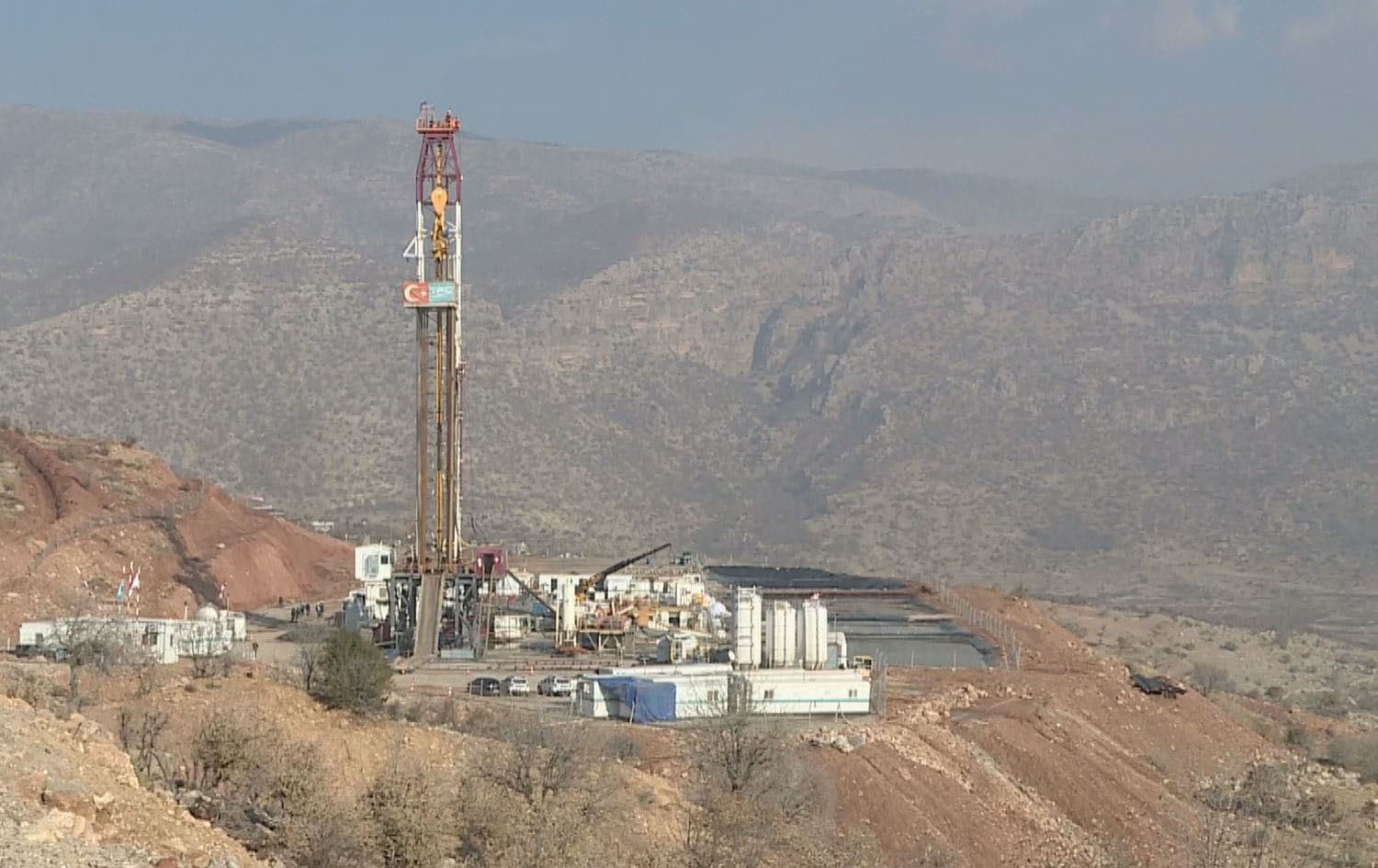

ERBIL, Kurdistan Region - Turkey’s energy minister said on Saturday that the Gabar oil field in the southeastern Kurdish-majority province of Sirnak generates $2 billion annually and has created more than 3,200 jobs in the province.
“Two billion dollars annually is obtained from that (Gabar field). We hope that with increased production, revenue will increase. Under this project, we have now provided job opportunities for 3,200 people in Sirnak and Gabar,” Minister Alparslan Bayraktar said during a meeting of Turkey's ruling Justice and Development Party (AKP).
In December 2022, Turkish President Recep Tayyip Erdogan announced the discovery of the oil field on Sirnak’s Mount Gabar, containing an estimated 150 million barrels valued at approximately $12 billion.
Sirnak is a small province in southeastern Turkey, bordering the Kurdistan Region.
“Over the past 22 years, the money we spent on energy imports was one trillion dollars. The story of our energy independence is actually a story identical to the story of our economic independence,” Bayraktar added.
The oil field produces 80,000 barrels per day, according to Bayraktar.
Last month, Erdogan said that the Gabar field had produced nearly $2 billion worth of oil in total, over a combined 26 million barrels.
Turkey is struggling with crippling economic woes, its currency is losing value and people are facing soaring inflation and a cost of living crisis.
In March 2023, former Sirnak mayor Mehmet Yarka said that the city's booming economy due to the Gabar field had kickstarted a reverse migration from the bigger cities back to Sirnak.
“Sirnak has grown and developed a lot. People build homes and invest, and those who left the city due to issues, are now returning from Adana, Ankara, Mersin, and Istanbul,” Yarka said at the time.
Sirnak province has one of Turkey’s highest unemployment rates.
.webp&w=3840&q=75)
.png&w=3840&q=75)