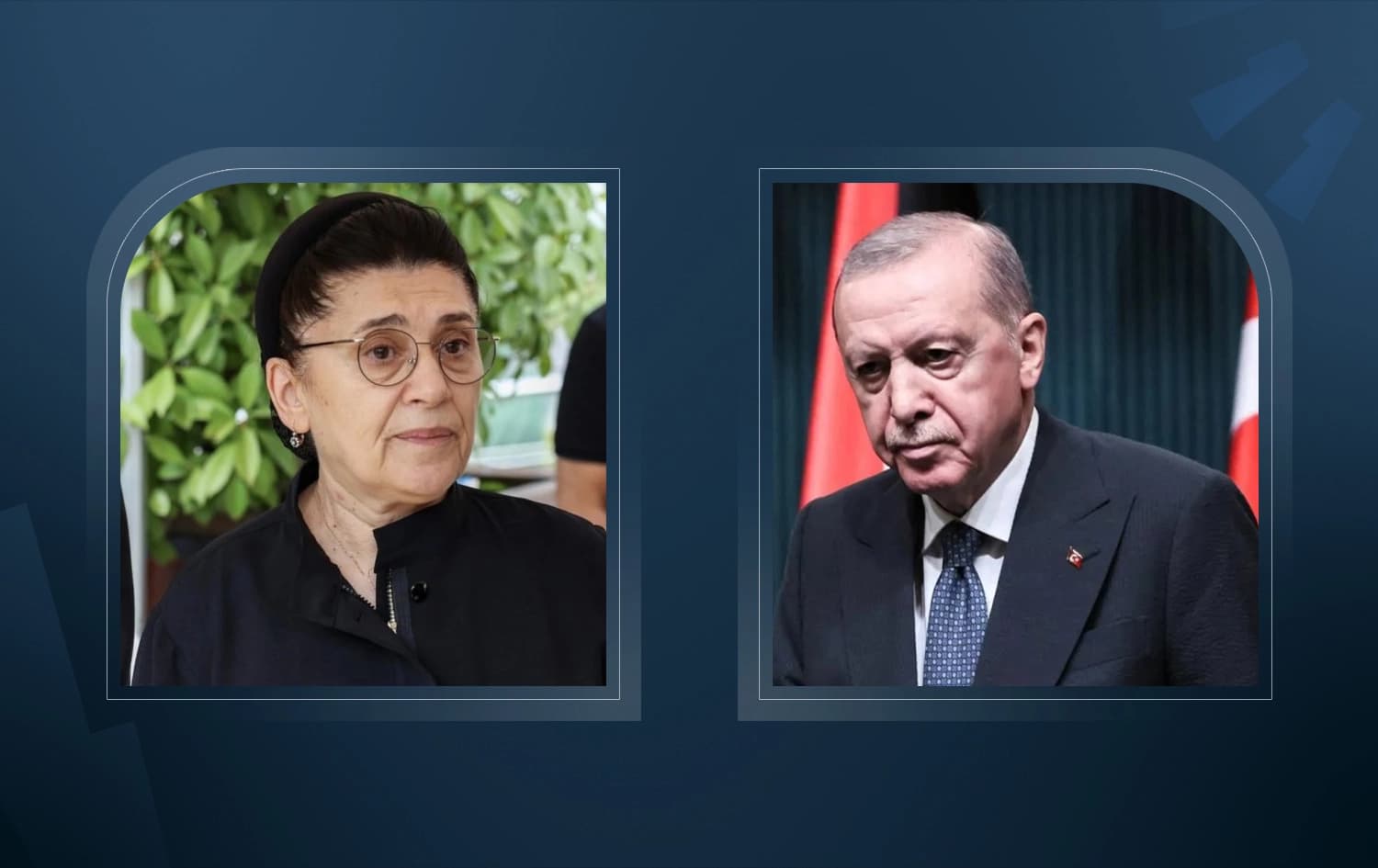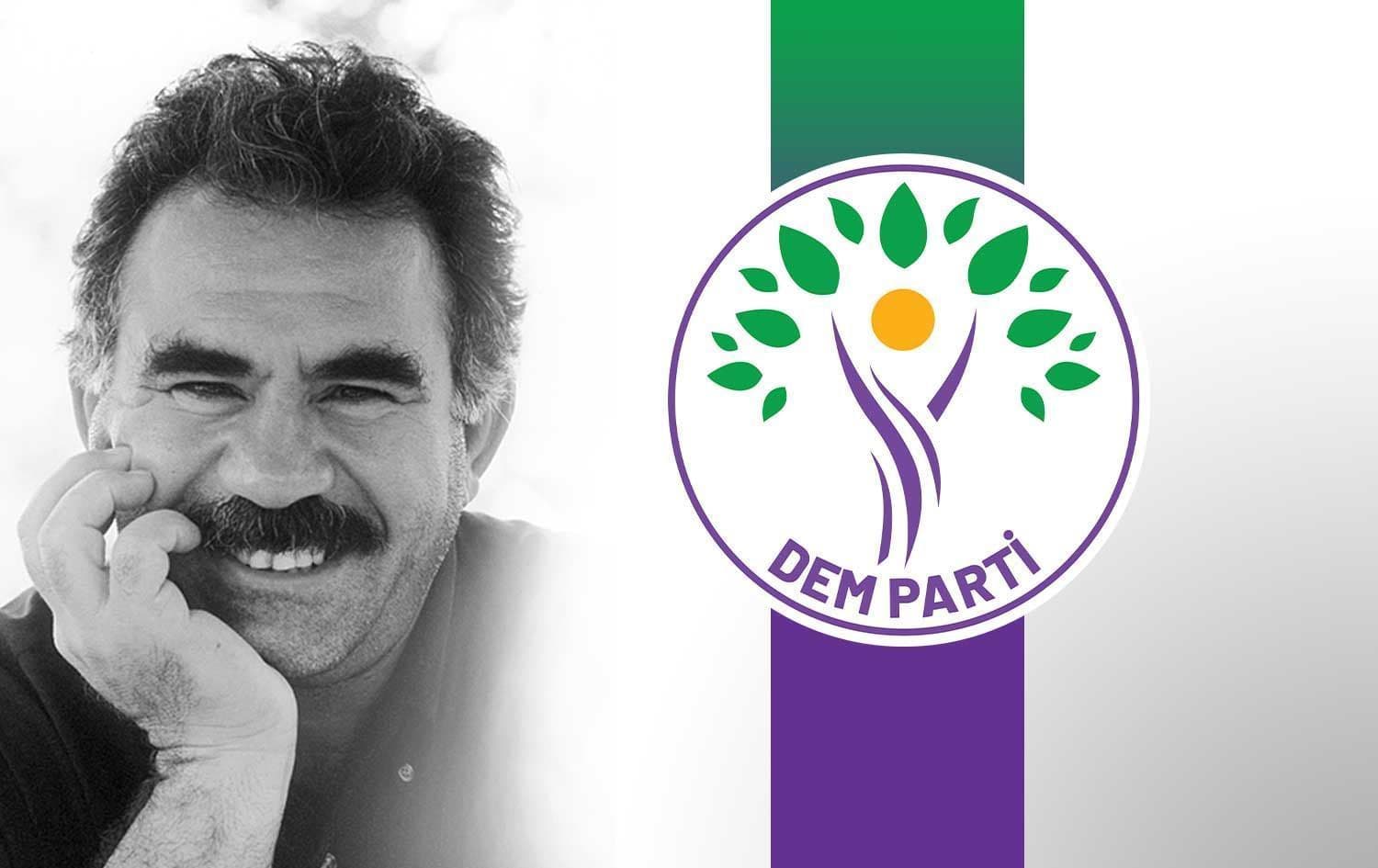
ERBIL, Kurdistan Region - A delegation from the pro-Kurdish Equality and Democracy Party (DEM Party) visited jailed Kurdistan Workers’ Party (PKK) leader Abdullah Ocalan on Friday, amid growing hopes of giving the ongoing peace talks between Ankara and the group a formal legal framework.
The meeting lasted for three and a half hours and details will be published on Saturday, DEM Party said in a statement.
The delegation was composed of lawmaker and chief peace negotiator Pervin Buldan, fellow lawmaker Mithat Sancar, and Ocalan’s longtime legal representative, Faik Ozgur Erol.
There have been an unprecedented number of meetings with Ocalan since a new peace process between the state and PKK, which Ankara calls Terror-Free Turkey, was announced late last year. The previous meeting between the same delegation and the jailed Kurdish leader was conducted August 28.
A day after the August meeting, Ocalan was cited in a DEM Party statement as saying it is necessary to enter "a new stage in which steps are taken urgently in all dimensions.” He added that he aims “to do everything in our power to bring an end to a painful process.”
The DEM Party has taken the lead in mediation efforts that began late last year. In May, the PKK officially declared its dissolution and an end to its four-decade-long armed campaign, acting on an appeal from Ocalan to seek a political resolution to a conflict that has claimed nearly 40,000 lives.
As a symbolic gesture of goodwill, a first group of PKK fighters publicly set fire to their weapons in a ceremony held in Sulaimani province in early July.
Later that month, the Turkish parliament formed a special commission tasked with charting a course toward lasting peace. The commission includes representatives from all major political parties, including the DEM Party, the main opposition Republican People’s Party (CHP), and the ruling Justice and Development Party (AKP).
The meeting lasted for three and a half hours and details will be published on Saturday, DEM Party said in a statement.
The delegation was composed of lawmaker and chief peace negotiator Pervin Buldan, fellow lawmaker Mithat Sancar, and Ocalan’s longtime legal representative, Faik Ozgur Erol.
There have been an unprecedented number of meetings with Ocalan since a new peace process between the state and PKK, which Ankara calls Terror-Free Turkey, was announced late last year. The previous meeting between the same delegation and the jailed Kurdish leader was conducted August 28.
A day after the August meeting, Ocalan was cited in a DEM Party statement as saying it is necessary to enter "a new stage in which steps are taken urgently in all dimensions.” He added that he aims “to do everything in our power to bring an end to a painful process.”
The DEM Party has taken the lead in mediation efforts that began late last year. In May, the PKK officially declared its dissolution and an end to its four-decade-long armed campaign, acting on an appeal from Ocalan to seek a political resolution to a conflict that has claimed nearly 40,000 lives.
As a symbolic gesture of goodwill, a first group of PKK fighters publicly set fire to their weapons in a ceremony held in Sulaimani province in early July.
Later that month, the Turkish parliament formed a special commission tasked with charting a course toward lasting peace. The commission includes representatives from all major political parties, including the DEM Party, the main opposition Republican People’s Party (CHP), and the ruling Justice and Development Party (AKP).
The Turkish parliament’s summer recess ended on Wednesday. The commission is expected to submit its recommendations to the parliament later this year.
Comments
Rudaw moderates all comments submitted on our website. We welcome comments which are relevant to the article and encourage further discussion about the issues that matter to you. We also welcome constructive criticism about Rudaw.
To be approved for publication, however, your comments must meet our community guidelines.
We will not tolerate the following: profanity, threats, personal attacks, vulgarity, abuse (such as sexism, racism, homophobia or xenophobia), or commercial or personal promotion.
Comments that do not meet our guidelines will be rejected. Comments are not edited – they are either approved or rejected.
Post a comment