

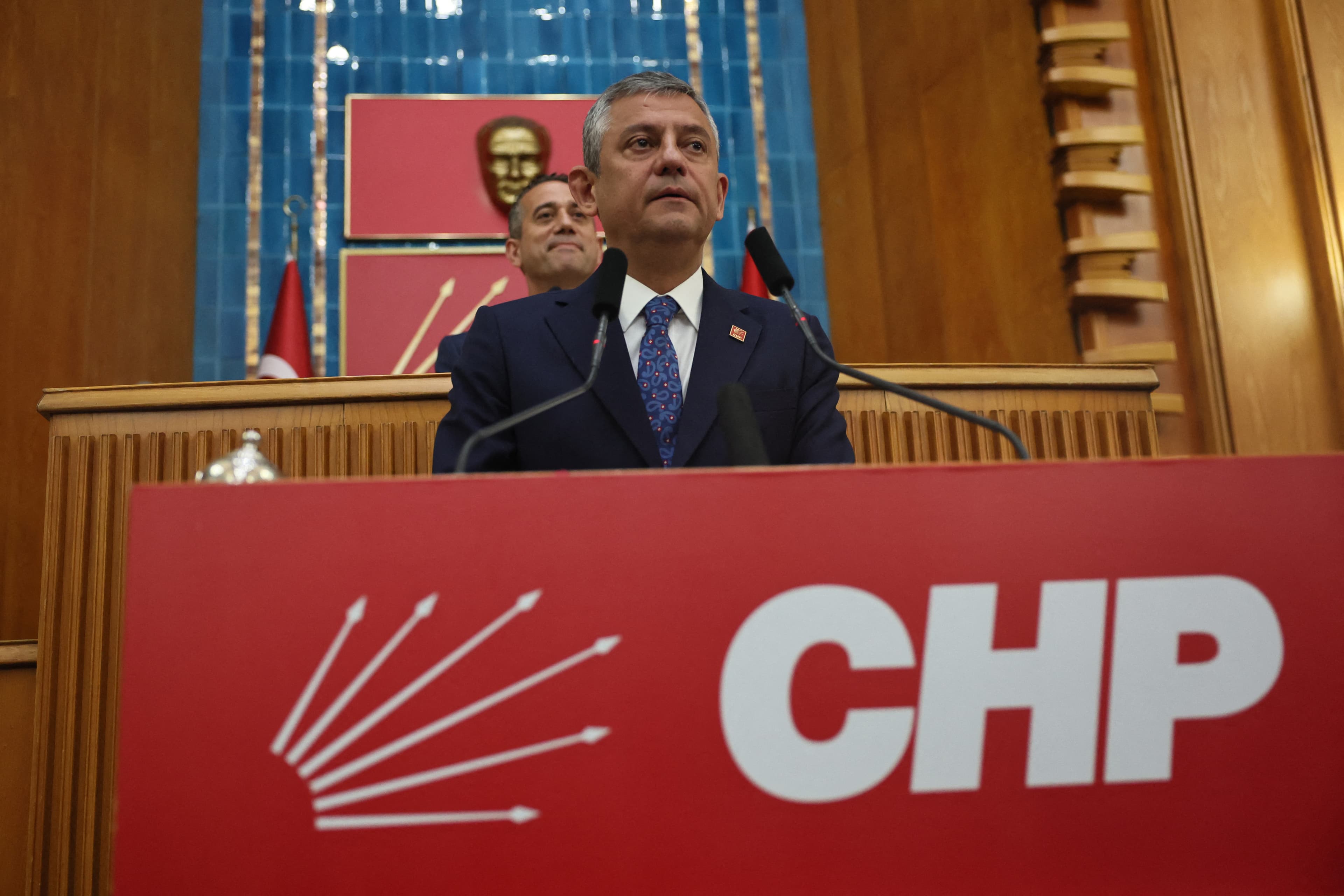
ERBIL, Kurdistan Region - Leader of Turkey's main opposition Republican People's Party (CHP) Ozgur Ozel was unanimously re-elected in an extraordinary session on Sunday, as his party faces a series of lawsuits and arrests.
“Ozgur Ozel was re-elected as chairman of his party, receiving all 835 valid votes in the election he ran in as the sole candidate,” the pro-opposition Anka Haber reported, adding that a total of 917 votes were cast at the extraordinary congress.
This comes as Ozel is currently facing a lawsuit challenging his leadership. The case aims to annul the CHP congress held in November 2023, which brought him to power, citing allegations of vote-rigging. A second hearing was held last Monday.
“I sincerely thank our party and our delegates for once again demonstrating their will against all attacks at our 22nd extraordinary congress held today [Sunday],” Ozel said in a post on X.
His re-election is expected to undermine the legal grounds of the case against him.
In March 2024, the CHP defeated the ruling Justice and Development Party (AKP) in local elections under Ozel’s leadership. The party has since faced a wave of arrests and lawsuits.
CHP member and Istanbul Mayor Ekrem Imamoglu - widely regarded as President Recep Tayyip Erdogan’s strongest competitor - was detained and dismissed from office in March on alleged corruption charges. His arrest sparked the largest opposition demonstrations Turkey had seen in a decade.
In January, CHP member Ahmet Ozer, a Kurdish mayor of Istanbul’s Esenyurt district, was arrested over alleged links to the Kurdistan Workers’ Party (PKK) and quickly replaced with a government-appointed trustee.
CHP officials have denied all allegations, denouncing them as politically-motivated attempts to suppress opponents ahead of the 2028 presidential election.

.jpeg&w=3840&q=75)