


World

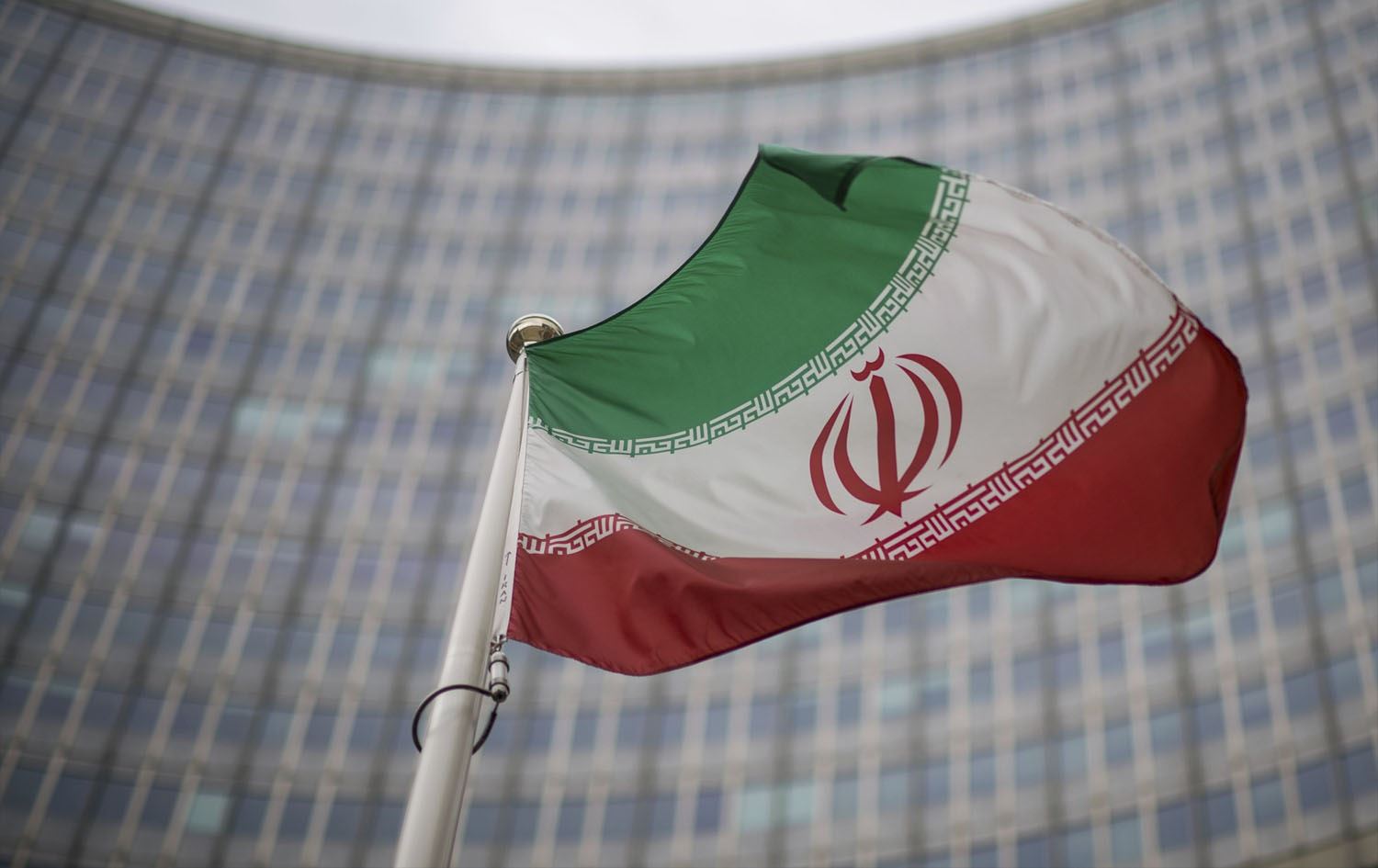
Flag of Iran waves in front of the building of the International Atomic Energy Agency in Vienna, Austria. Photo: AP
ERBIL, Kurdistan Region - Iran has released one Danish and two Austrian citizens in an arrangement mediated by Oman and Belgium a week after a prison swap with Belgium.
“I’m very relieved that we can finally bring Kamran Ghaderi and Massud Mossaheb home after years of arduous imprisonment in Iran,” Austrian Foreign Minister Alexander Schallenberg said in a statement.
Danish Foreign Minister Lars Lokke Rasmussen stated that he was “happy and relieved that a Danish citizen is on his way home to his family in Denmark after imprisonment in Iran,” without naming the individual. He thanked Oman and Belgium who “played an important role” in securing the person’s release.
Schallenberg also thanked his Omani and Belgian counterparts for their “valuable support.”
The three Europeans were departing Iran for Oman and then to Belgium, Alexander De Croo, the prime minister of Belgium, said on Twitter. “We’ll continue advocating for the release and humane treatment of all Europeans unjustly held in Iran,” he said.
Last week Iran conducted a prisoner swap with Belgium mediated by Oman, freeing an Iranian diplomat convicted of a bomb plot and a Belgian aid worker charged with spying.
Iran's Mizan news agency said the three were released on humanitarian grounds. Iran is accused of detaining foreigners and dual nationals and using them as bargaining chips with the West.
Ghaderi and Mossaheb are Austrian businessmen who were arrested in 2016 and 2019 on charges of spying for the United States. They were sentenced to 10 years imprisonment each.
Oman is a frequent mediator between the West and Iran. Sultan Haitham bin Tarik visited Tehran this week and met Iranian Supreme Leader Ali Khamenei.
On May 6, Iran executed Habib Farajollah Chaab, a Swedish-Iranian national accused of terrorism. Chaab was from the Arab minority in Iran and led the Swedish Branch of the Arab Struggle Movement for the Liberation of Ahvaz (ASMLA).
Updated at 10:00 pm


Comments
Rudaw moderates all comments submitted on our website. We welcome comments which are relevant to the article and encourage further discussion about the issues that matter to you. We also welcome constructive criticism about Rudaw.
To be approved for publication, however, your comments must meet our community guidelines.
We will not tolerate the following: profanity, threats, personal attacks, vulgarity, abuse (such as sexism, racism, homophobia or xenophobia), or commercial or personal promotion.
Comments that do not meet our guidelines will be rejected. Comments are not edited – they are either approved or rejected.
Post a comment