
کوردیKURDÎENGLISHTÜRKÇEعربي
Rudaw Logo
Live
Kurdistan
Middle East
OpinionsAnalysisWorldECONOMYInterviewCultureMultimedia
Live
Rudaw

Download the Rudaw app

App StoreGoogle Play
Privacy Policy•Terms of Use

© 2026 All rights reserved.

Rudaw

Download the Rudaw app

App StoreGoogle Play
Privacy PolicyTerms of Use

© 2026 All rights reserved.

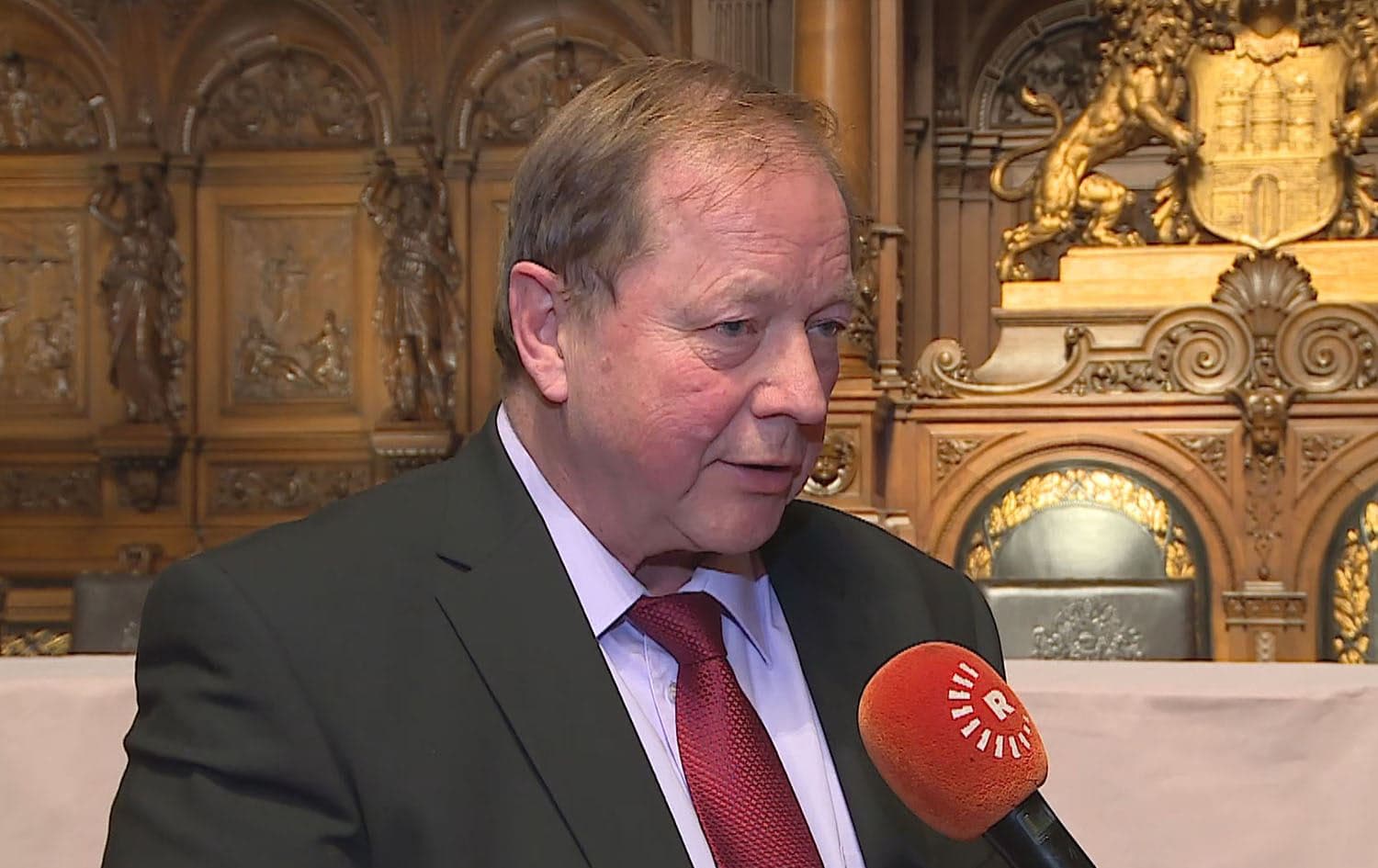
Dirk Nockemann, AfD candidate for the German parliament (Bundestag) in Hamburg, speaking to Rudaw on January 19, 2025. Photo: Rudaw

Dirk Nockemann, AfD candidate for the German parliament (Bundestag) in Hamburg, speaking to Rudaw on January 19, 2025. Photo: Rudaw

World

AfD to 'limit' diversity in Germany: Bundestag candidate

Alla Shally

Alla Shally

21-01-2025
Listen
0:00
0:00
Text Size
Alla Shally
Alla Shally21-01-2025

Related Articles

UN approves Canada-led resolution condemning Iran’s human rights record
World19-11-2026

UN approves Canada-led resolution condemning Iran’s human rights record

Washington conference explores grid capacity, AI integration in energy sector
World18-11-2026

Washington conference explores grid capacity, AI integration in energy sector

UN official backs Kurdish students’ protests for language rights in Rojava
World18-11-2026

UN official backs Kurdish students’ protests for language rights in Rojava

ERBIL, Kurdistan Region - Germany’s far-right Alternative for Germany (AfD) party is focusing its agenda in next month’s elections on restricting immigration and reversing the current influx by pressuring countries of origin to accept returnees, as part of its efforts to counter what it describes as “radical Islamism,” an AfD candidate told Rudaw.

"We are seen as the only trustworthy party when we say we want to restrict immigration to Germany … What we don't want is this radical Islamism that we see here in Hamburg, that we often see on the streets, where people demand an Islamic state. We reject that,” Dirk Nockemann, AfD candidate for the German parliament (Bundestag) in Hamburg, said on Sunday. 

The German parliamentary elections are scheduled to take place on February 23. The previous vote was held in 2021.

Nockemann stressed the fact that they don't want a "religious state," a demand of some Muslim communities in the country, and want to rather uphold Germany’s democracy and secular nature.

He said he values Hamburg’s cultural diversity but noted that it must be accompanied by “limits,” mentioning how Germany has been an easy country for accepting asylum-seekers but that it must be restricted. 

“Criminals can enter, Islamists can enter. This must be rejected. So control who comes in. Those who don't have the right to stay, as I explained earlier in my speech, must leave the country because they are criminals,” he stressed. 

But he admitted that expelling immigrants would be impossible due to their large numbers, and since they have filled key sectors of the country, a crisis would ensue if such a measure was taken.

Nockemann stressed that the immigrants that their countries of origin refuse to take back should be sent back.

"If you don't take back your people, there will no longer be economic conditions, no more economic relations," he warned.

The AfD last year called for "remigration," which led to weeks of widespread protests, as the country hosts 19 million immigrants, who make up 23% of the population.

With the AfD likely to gain more votes and increase its influence, this issue is causing concern among many immigrants.


Related Articles

UN approves Canada-led resolution condemning Iran’s human rights record
World19-11-2026

UN approves Canada-led resolution condemning Iran’s human rights record

Washington conference explores grid capacity, AI integration in energy sector
World18-11-2026

Washington conference explores grid capacity, AI integration in energy sector

UN official backs Kurdish students’ protests for language rights in Rojava
World18-11-2026

UN official backs Kurdish students’ protests for language rights in Rojava

Questions