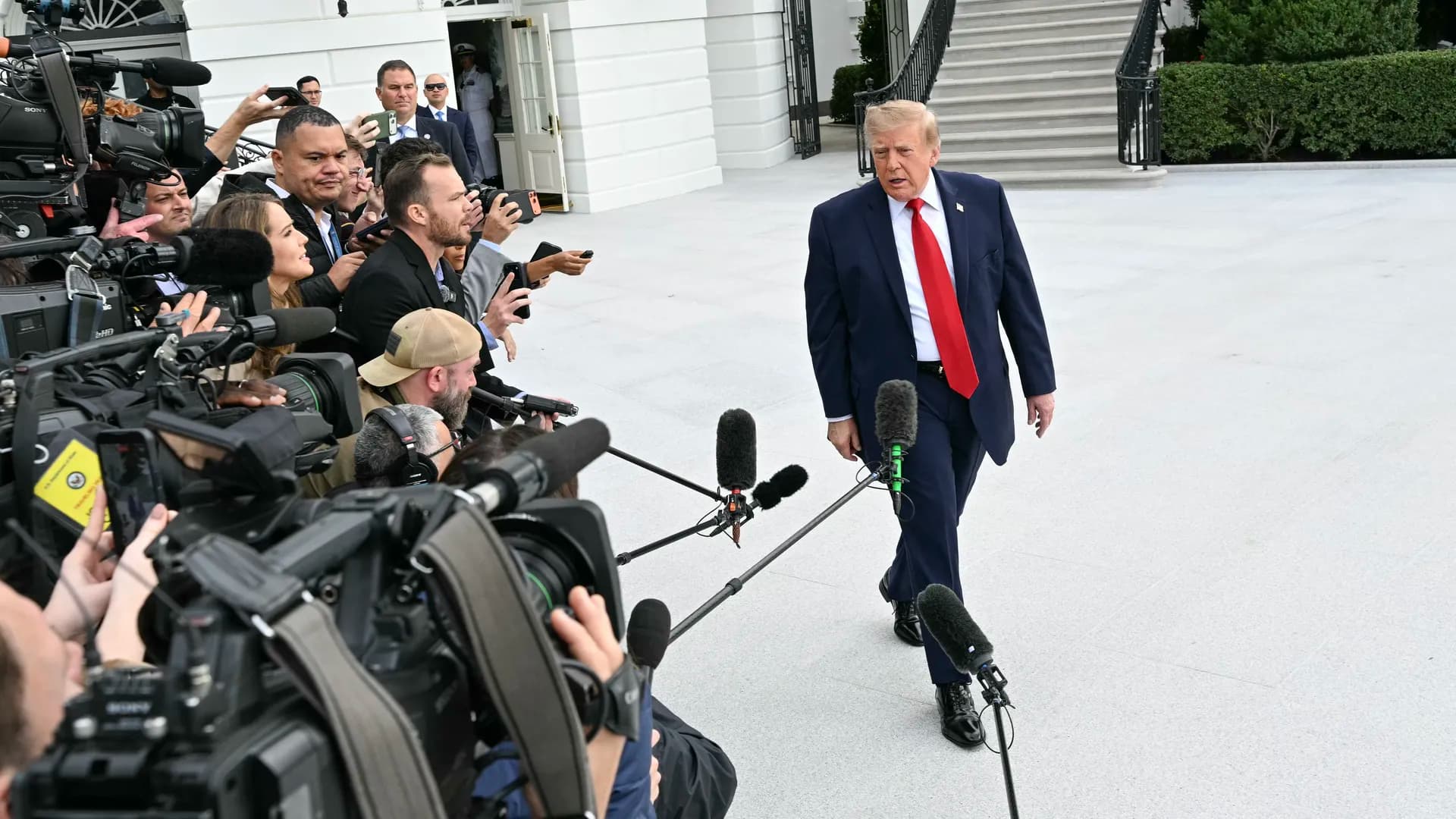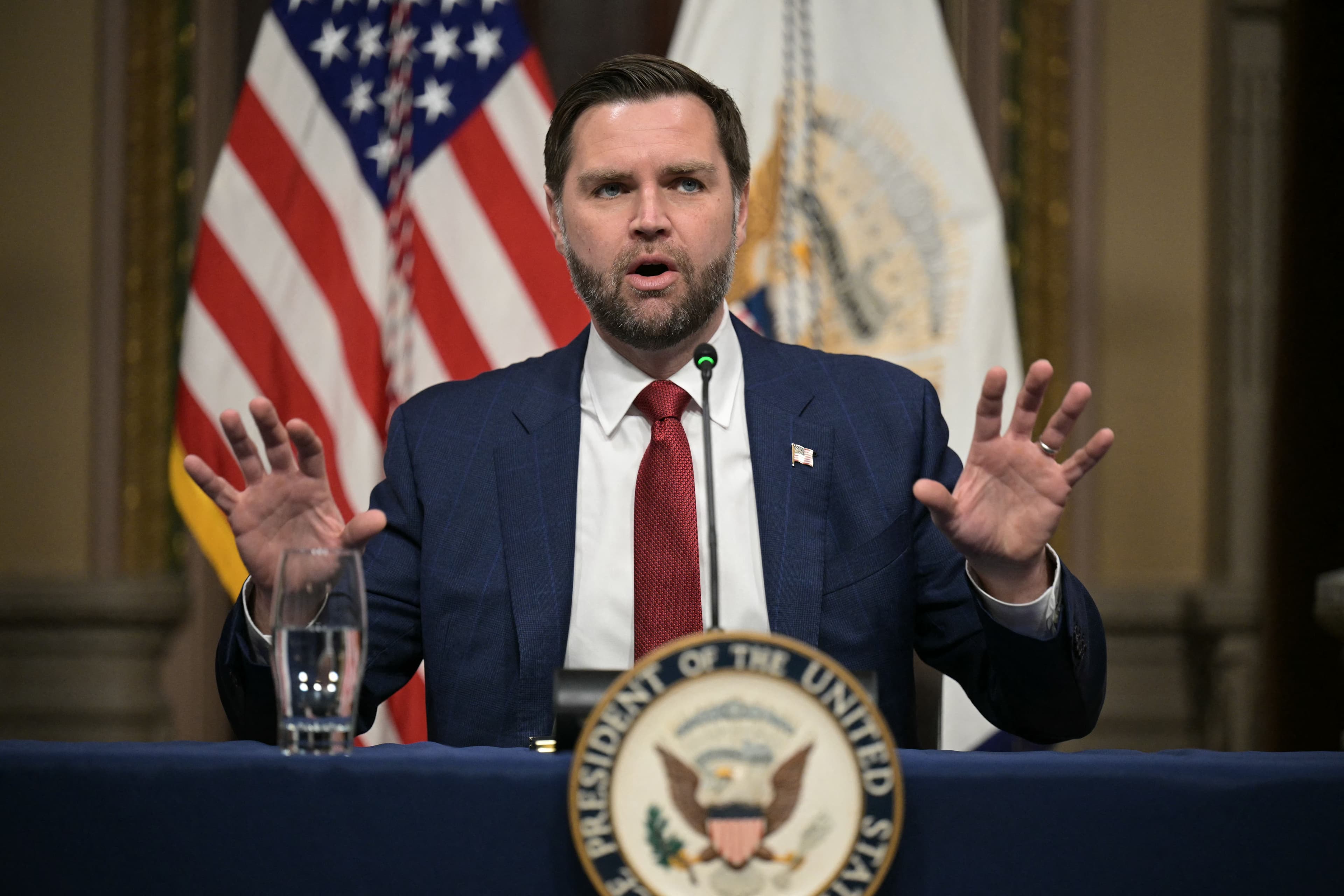

ERBIL, Kurdistan Region - United States Vice President JD Vance said on Saturday that Washington has achieved most of its military objectives in Iran, while adding that President Donald Trump wants the campaign to continue “for a little while longer” to ensure the Iranian government is significantly weakened.
“The president’s going to keep at it for a little while longer to ensure that once we leave, we don’t have to do this again for a very, very long time,” Vance said in an interview with podcaster Benny Johnson. “We need to neuter them for a very, very long time, and that’s the purpose.”
Addressing soaring global energy prices caused by the blockade of the Strait of Hormuz, Vance said the spike would be temporary.
“This is a very, very temporary reaction to what is ultimately going to be a short-term conflict,” he said.
The vice president added that Trump has made clear the United States does not seek a long-term presence in Iran.
“I think the president has been very clear about this: We’re not interested in being in Iran a year down the road, two years down the road,” Vance said. “We’re taking care of business, we’re going to be out of there soon, and gas prices are going to come back down.”
The United States and Israel launched a coordinated military campaign against Iran on February 28. US Central Command (CENTCOM) Commander Brad Cooper said on Thursday that the operation, dubbed Operation Epic Fury, struck more than 10,000 targets across the country to achieve the “clear military objective of eliminating Iran’s ability to project power in meaningful ways beyond its borders.”
In response, Iran launched Operation True Promise 4, conducting thousands of drone and missile attacks targeting alleged US and Israeli positions in the region, particularly in Gulf Arab states, as part of a multi-front retaliation.
Tehran has also tightened its control over the vital Strait of Hormuz, effectively closing it to commercial traffic. The strait handles roughly 20 percent of global seaborne oil trade, and its closure has disrupted regional shipping and driven global oil prices up by 40 to 50 percent.
The developments come as Tehran reportedly responded on Wednesday to a 15-point proposal from Washington aimed at ending the war and is “awaiting the American side’s response.” However, an “informed source” cited by Tasnim said Iran views the US proposal with deep skepticism, describing it as an attempt to “buy time to prepare for a new aggressive action in southern Iran through a ground incursion.”