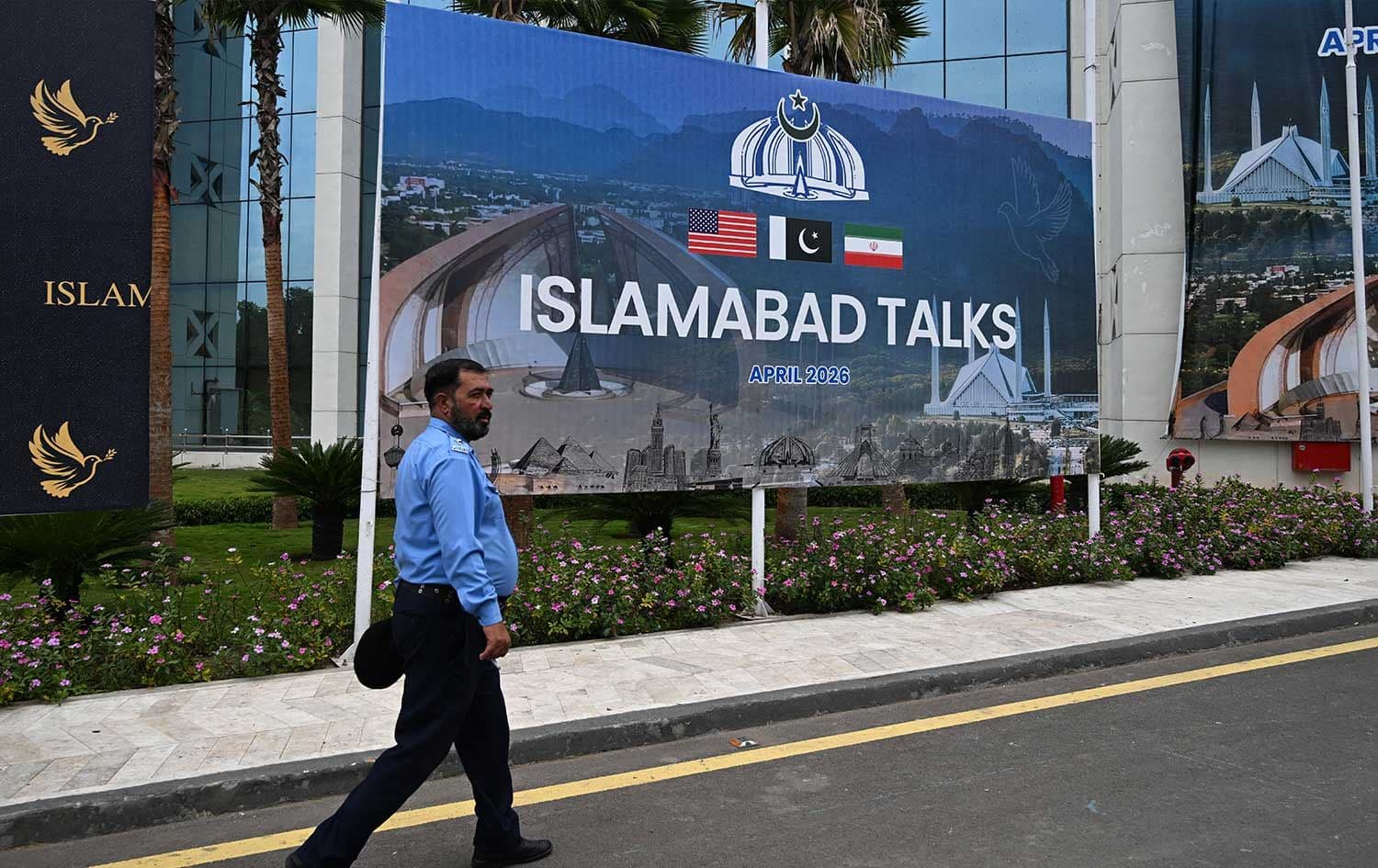
ERBIL, Kurdistan Region - Iran’s parliamentary speaker expressed deep skepticism toward the United States on Saturday as high-stakes talks between the two sides are set to begin in Islamabad following a fragile ceasefire.
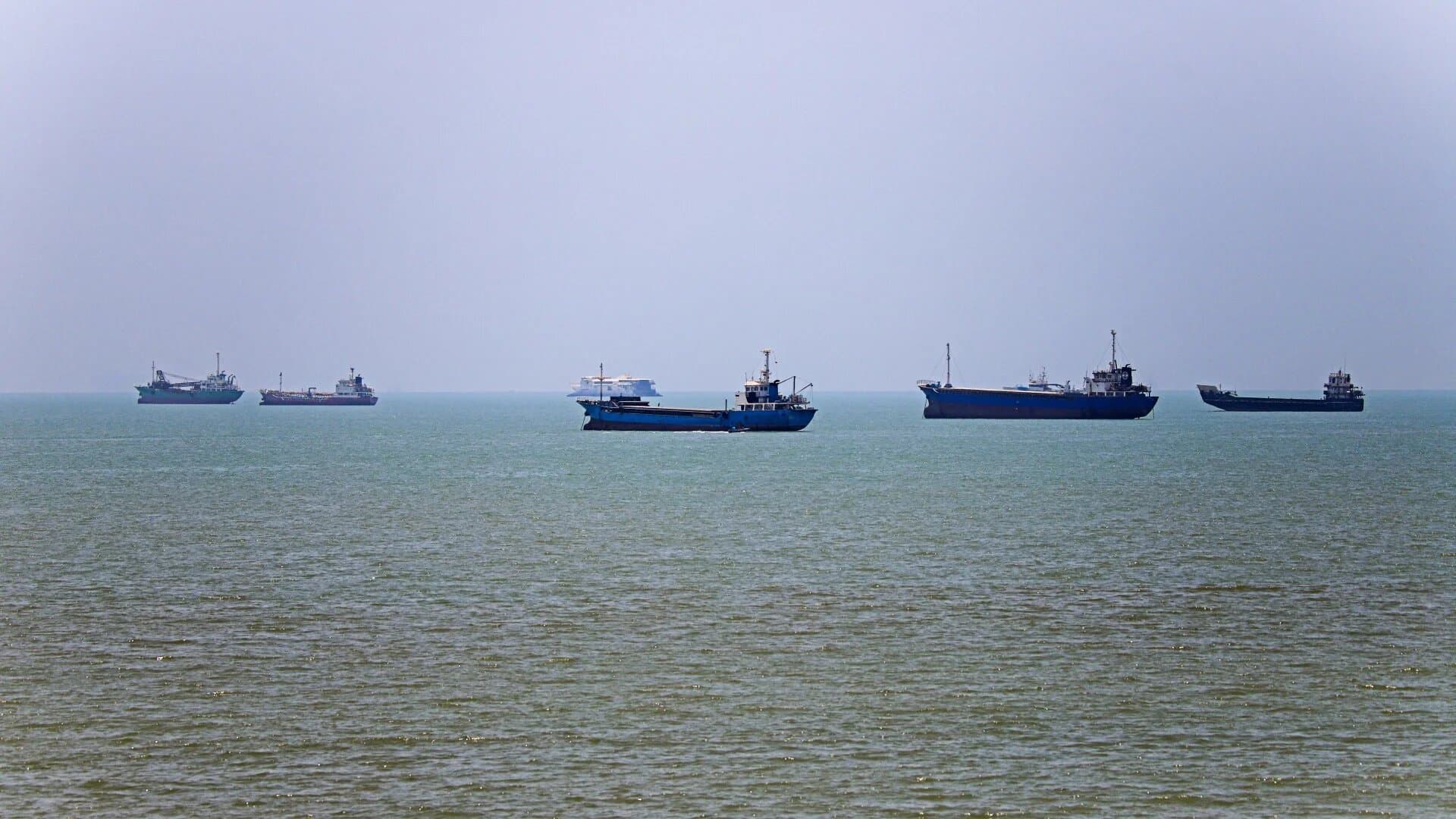
Talks between Iranian and US delegations are scheduled to take place in the Pakistani capital later Saturday, focusing on key issues including nuclear enrichment and security in the Strait of Hormuz. The negotiations follow a 40-day war, after which a two-week ceasefire was announced following nearly 40 days of clashes between the two sides.
Mohammad Bagher Ghalibaf, who is leading Tehran’s delegation, said upon arrival in Pakistan’s capital that Iran had entered negotiations sincerely but remained wary of Washington’s intentions.
“We have good intentions, but we do not trust,” Ghalibaf told Iranian state media at the airport.
The negotiations were expected to begin at 8 am but have been delayed by several hours, as each delegation is set to hold separate meetings with Pakistan’s Prime Minister Shehbaz Sharif, according to Tasnim news agency, affiliated with Iran's Islamic Revolutionary Guard Corps (IRGC). The delay could push the start of the talks into the afternoon, Tasnim added.
Despite the distrust, Ghalibaf noted that Tehran remains open to a deal.
“If the United States is ready for a genuine agreement, then Iran can be ready,” he said, pointing to past failed diplomacy. “Our experience in negotiating with the Americans has always been met with failure and broken promises.”
The US delegation, led by Vice President JD Vance, is on its way to Islamabad after a stop in Paris. The negotiations are being mediated by Pakistan, with Prime Minister Shehbaz Sharif saying the process will be critical.
“A temporary ceasefire has been announced, but now an even more difficult stage lies ahead: the stage of achieving a lasting ceasefire, of resolving complicated issues through negotiations,” Sharif said in a televised address. “This is that stage which, in English, is called the equivalent of ‘make or break’.”
Meanwhile, tensions across the wider region remain high. US President Donald Trump said Friday that keeping the Strait of Hormuz open is a top priority and vowed to do so “with or without” Iran’s cooperation, while also insisting that Tehran must not acquire a nuclear weapon.