


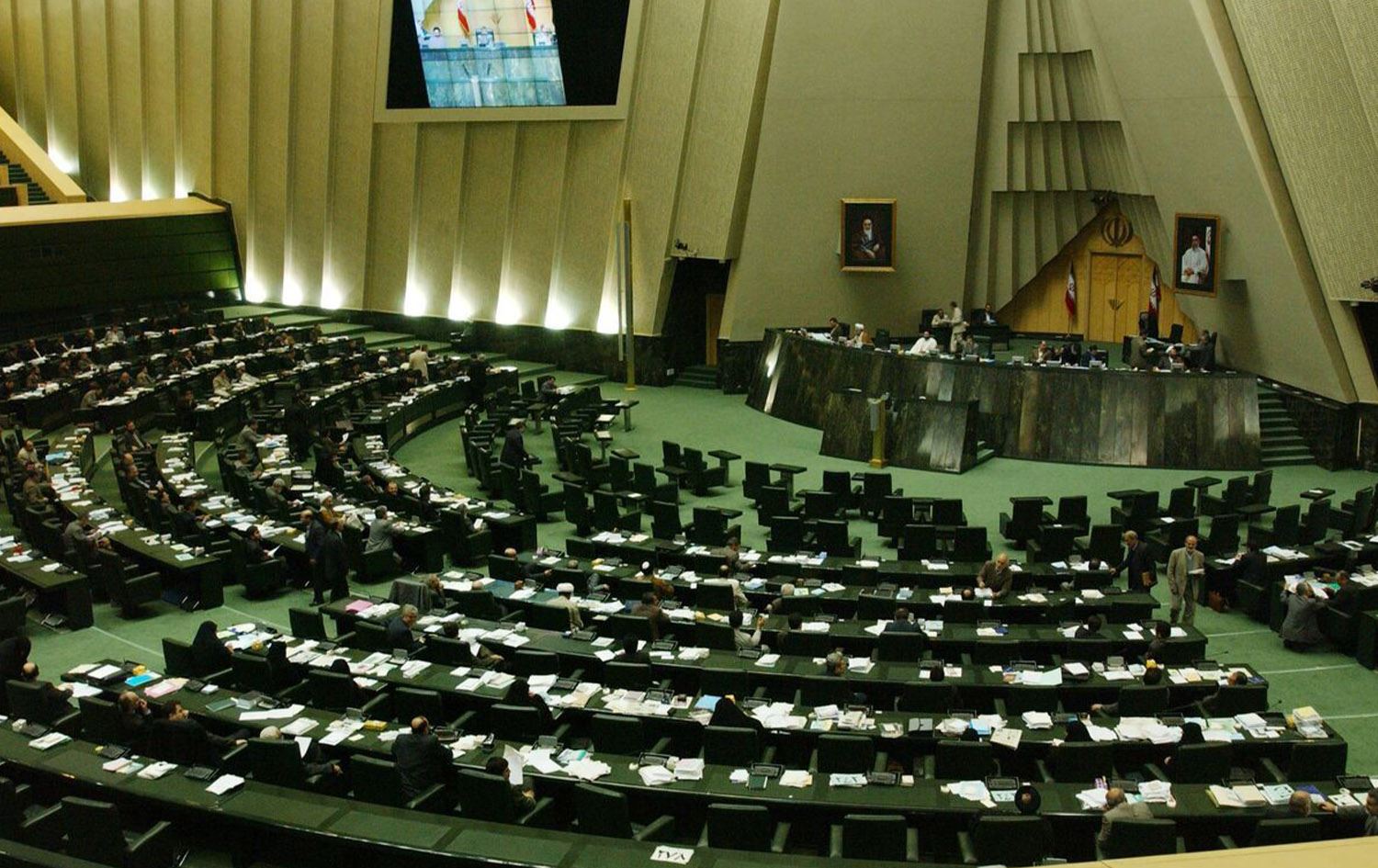
ERBIL, Kurdistan Region - Iran's parliament will meet on Sunday to discuss the possible dismissal of the minister of finance, with the president in attendance to defend his cabinet as economic challenges mount, state media reported on Saturday.
“At the morning session of the House of Representatives, the impeachment plan will begin, and if needed, the meeting will continue to determine the task,” said Abbas Goudarzi, spokesperson for the parliament’s executive committee, the semi-official Tasnim news agency reported.
A group of 91 lawmakers initiated impeachment proceedings against Finance Minister Abdolnaser Hemmati, citing his failure to stabilize markets and curb inflation.
Opinions in parliament, however, are divided over his responsibility for the national currency's depreciation and economic challenges.
"I do not support the impeachment of Mr. Hemmati because I believe that the only reason cited by the proponents is the increase in the exchange rate. However, the rise in the exchange rate is based on multiple and diverse factors, and the role of the minister of economy in this matter may not even amount to five percent," said Qasim Osmani, second vice chair of the parliament’s legal and judicial commission.
When President Masoud Pezeshkian came into office last summer, the Iranian toman was trading at approximately 58,000 against the US dollar. It has now lost nearly half its value, to over 92,000 tomans per US dollar.
"I declare that it is impossible to solve economic problems with such actions; economic issues require scientific solutions,” Pezeshkian told IRNA news agency.
"Today, we see that the country is facing the most severe sanctions, yet instead of informing the public that these pressures and problems are due to those sanctions and actions, we blame a certain individual for what has happened,” he added.
On Thursday, the US imposed a second round of sanctions since President Donald Trump restorated his maximum pressure policy against Iran in early February, arguing that Tehran is “too close” to obtaining nuclear weapons. The sanctions have crippled Iran’s economy.
Since the beginning of Pezeshkian's presidency, his cabinet has faced heavy criticism, primarily from conservatives who oppose his agenda.
In late January, Vice President Javad Zarif faced criticism at home after he told an American journalist in Switzerland that enforcing a new hijab law was not part of Pezeshkian’s agenda. In December, the parliament’s security committee published a letter calling for his resignation because he has family members with American citizenship.
A considerable portion of Iran's population is struggling to meet their basic needs and poverty rates are high as Tehran contends with both internal and external challenges, the head of the Institute of Labor and Social Security, Ebrahim Sadeghifar, said in early January.


Comments
Rudaw moderates all comments submitted on our website. We welcome comments which are relevant to the article and encourage further discussion about the issues that matter to you. We also welcome constructive criticism about Rudaw.
To be approved for publication, however, your comments must meet our community guidelines.
We will not tolerate the following: profanity, threats, personal attacks, vulgarity, abuse (such as sexism, racism, homophobia or xenophobia), or commercial or personal promotion.
Comments that do not meet our guidelines will be rejected. Comments are not edited – they are either approved or rejected.
Post a comment