


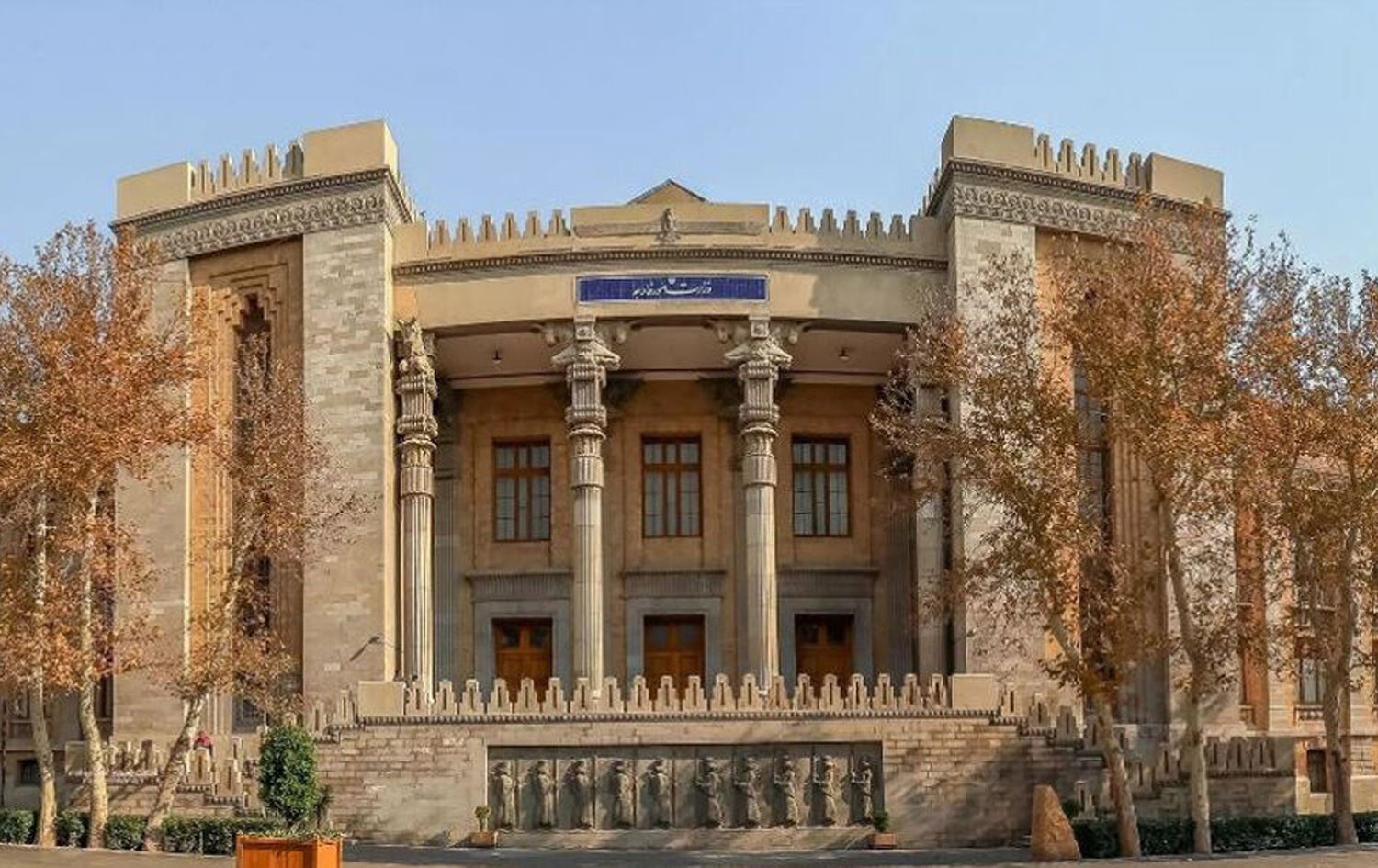
ERBIL, Kurdistan Region - Iran’s Foreign Ministry on Saturday condemned what it called a “racist mentality” behind a new United States travel ban on citizens of 12 nations, including Iran, after an attack on a pro-Israeli rally in Colorado.
The ban, coming into effect on June 9, is a “clear sign of the dominance of a supremacist and racist mentality among American policymakers,” Alireza Hashemi-Raja, the ministry’s director general for the affairs of Iranians abroad, said in a statement.
US President Donald Trump on Wednesday signed an executive order to activate a travel ban on nationals of Iran, Afghanistan, Myanmar, Chad, Equatorial Guinea, the Republic of the Congo, Eritrea, Somalia, Libya, Haiti, Sudan, and Yemen.
Trump said the ban stemmed from a flamethrower attack on a Jewish protest in Boulder, Colorado on Sunday, blamed on an Egyptian man illegally staying in the US. The ban, however, does not include Egypt.
Iran was included on the list as a “state sponsor of terrorism,” according to the executive order.
Hashemi-Raja said the ban “indicates the deep hostility of American decision-makers towards the Iranian and Muslim people.”
During his first term in office, Trump introduced a similar ban mainly on Muslim-majority countries.
This latest travel ban comes amid ongoing nuclear negotiations between Washington and Tehran. The indirect, Oman-mediated talks began in April and mark the most significant engagement between the two nations since 2018 when Trump, during his first term in office, unilaterally withdrew Washington from the 2015 nuclear accord and reimposed biting sanctions on the Islamic republic.
Under that deal, Iran agreed to limit its nuclear activities in exchange for sanctions relief. Following the US withdrawal and reimposition of sweeping sanctions, Tehran gradually reduced its compliance.
The ban, coming into effect on June 9, is a “clear sign of the dominance of a supremacist and racist mentality among American policymakers,” Alireza Hashemi-Raja, the ministry’s director general for the affairs of Iranians abroad, said in a statement.
US President Donald Trump on Wednesday signed an executive order to activate a travel ban on nationals of Iran, Afghanistan, Myanmar, Chad, Equatorial Guinea, the Republic of the Congo, Eritrea, Somalia, Libya, Haiti, Sudan, and Yemen.
Trump said the ban stemmed from a flamethrower attack on a Jewish protest in Boulder, Colorado on Sunday, blamed on an Egyptian man illegally staying in the US. The ban, however, does not include Egypt.
Iran was included on the list as a “state sponsor of terrorism,” according to the executive order.
Hashemi-Raja said the ban “indicates the deep hostility of American decision-makers towards the Iranian and Muslim people.”
During his first term in office, Trump introduced a similar ban mainly on Muslim-majority countries.
This latest travel ban comes amid ongoing nuclear negotiations between Washington and Tehran. The indirect, Oman-mediated talks began in April and mark the most significant engagement between the two nations since 2018 when Trump, during his first term in office, unilaterally withdrew Washington from the 2015 nuclear accord and reimposed biting sanctions on the Islamic republic.
Under that deal, Iran agreed to limit its nuclear activities in exchange for sanctions relief. Following the US withdrawal and reimposition of sweeping sanctions, Tehran gradually reduced its compliance.


Comments
Rudaw moderates all comments submitted on our website. We welcome comments which are relevant to the article and encourage further discussion about the issues that matter to you. We also welcome constructive criticism about Rudaw.
To be approved for publication, however, your comments must meet our community guidelines.
We will not tolerate the following: profanity, threats, personal attacks, vulgarity, abuse (such as sexism, racism, homophobia or xenophobia), or commercial or personal promotion.
Comments that do not meet our guidelines will be rejected. Comments are not edited – they are either approved or rejected.
Post a comment