


ERBIL, Kurdistan Region - Iran announced on Thursday that an upcoming visit by a delegation from the United Nations nuclear watchdog is intended to discuss a new cooperation framework - not to conduct inspections - state media reported. The visit comes after Tehran had in recent months suspended cooperation with the International Atomic Energy Agency (IAEA), accusing the agency of enabling attacks on its nuclear infrastructure.
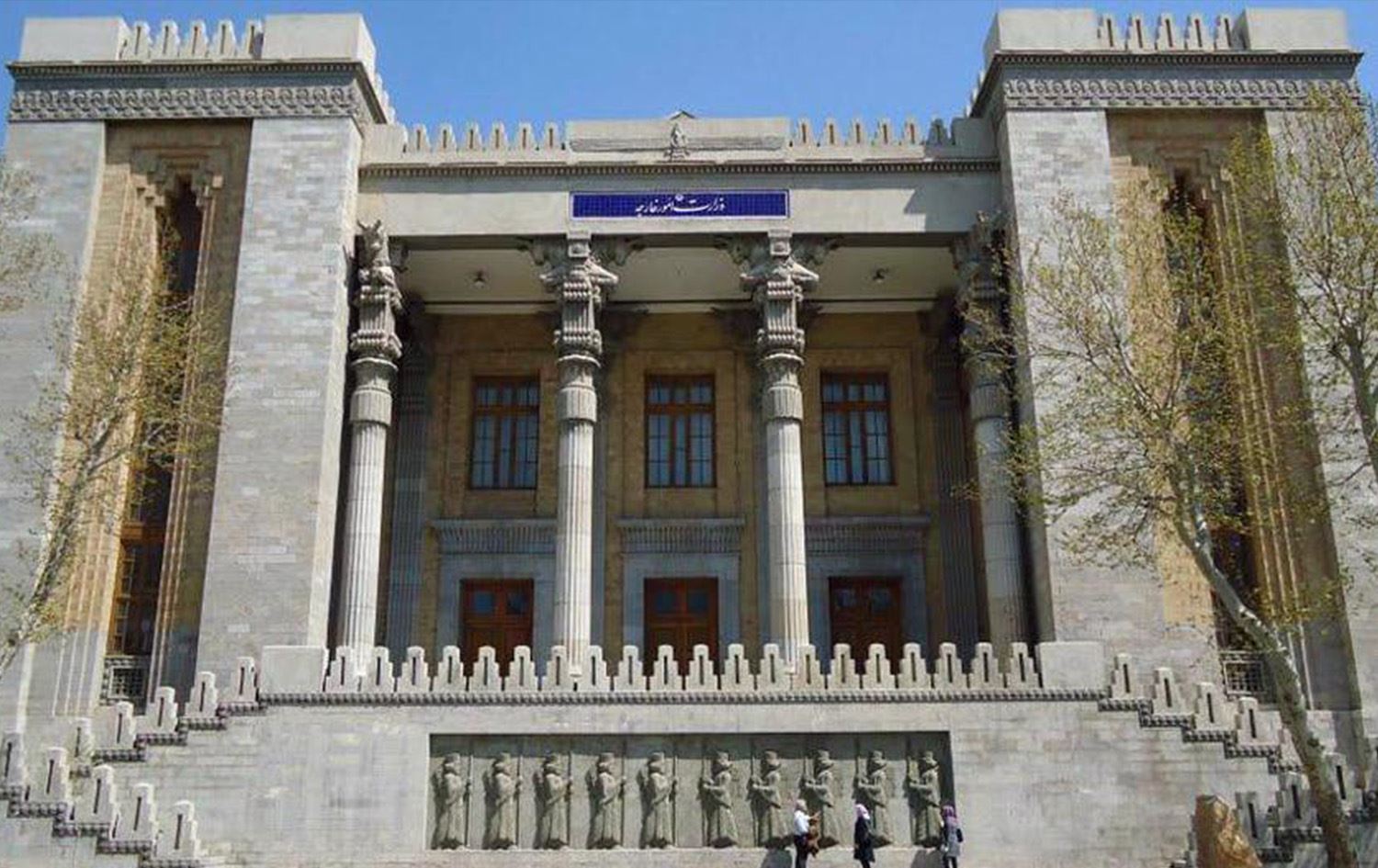
“This trip is not for inspection, but rather to discuss the drafting of a new protocol for how to interact under the current unprecedented circumstances,” said Iranian foreign ministry Spokesperson Esmaeil Baghaei, reiterating Tehran’s “strong complaint and protest against the performance of the agency.”
A senior IAEA official is expected to visit Tehran within the next 10 days.
The visit follows a major diplomatic rift between Iran and the IAEA that saw the Iranian Guardian Council ratify a legislation passed by the parliament in late June to formally suspend cooperation with the agency.
Parliament Speaker Mohammad Bagher Ghalibaf then-accused the IAEA of becoming “a political instrument” and blamed it for the flare up of the 12-day conflict between Iran and Israel, which also drew in the United States.
On June 13, Israel launched airstrikes inside Iran, targeting nuclear facilities and killing senior military commanders and nuclear scientists. Iran responded with missile and drone attacks against Israeli targets.
The conflict escalated further when the US conducted airstrikes on June 22 against three key Iranian nuclear sites - Fordow, Isfahan, and Natanz. In response, Iran launched a ballistic missile attack on June 23 against al-Udeid Air Base in Qatar. A ceasefire brokered by Washington on June 24 has since held.
The Israeli strike came less than 24 hours after the IAEA Board of Governors passed a resolution on June 12 declaring Iran in violation of its nuclear non-proliferation obligations. Tehran swiftly rejected the resolution as “politically motivated,” alleging it was based on “forged” documents provided by Israel.
Iran’s Atomic Energy Organization (AEOI) also condemned the resolution, accusing IAEA Director General Rafael Grossi of overstepping his authority and abandoning the agency’s principle of impartiality.
AEOI chief Mohammad Eslami claimed Grossi had played a “destructive role” against Iran, alleging that his “procrastination paved the way for the Israeli regime to advance its illegal objectives.”
Despite Tehran’s increasingly defiant stance, Grossi expressed cautious optimism in early July, stating he was “encouraged” that Iran had agreed to host an IAEA delegation “within weeks.”
“This trip is not for inspection, but rather to discuss the drafting of a new protocol for how to interact under the current unprecedented circumstances,” said Iranian foreign ministry Spokesperson Esmaeil Baghaei, reiterating Tehran’s “strong complaint and protest against the performance of the agency.”
A senior IAEA official is expected to visit Tehran within the next 10 days.
The visit follows a major diplomatic rift between Iran and the IAEA that saw the Iranian Guardian Council ratify a legislation passed by the parliament in late June to formally suspend cooperation with the agency.
Parliament Speaker Mohammad Bagher Ghalibaf then-accused the IAEA of becoming “a political instrument” and blamed it for the flare up of the 12-day conflict between Iran and Israel, which also drew in the United States.
On June 13, Israel launched airstrikes inside Iran, targeting nuclear facilities and killing senior military commanders and nuclear scientists. Iran responded with missile and drone attacks against Israeli targets.
The conflict escalated further when the US conducted airstrikes on June 22 against three key Iranian nuclear sites - Fordow, Isfahan, and Natanz. In response, Iran launched a ballistic missile attack on June 23 against al-Udeid Air Base in Qatar. A ceasefire brokered by Washington on June 24 has since held.
The Israeli strike came less than 24 hours after the IAEA Board of Governors passed a resolution on June 12 declaring Iran in violation of its nuclear non-proliferation obligations. Tehran swiftly rejected the resolution as “politically motivated,” alleging it was based on “forged” documents provided by Israel.
Iran’s Atomic Energy Organization (AEOI) also condemned the resolution, accusing IAEA Director General Rafael Grossi of overstepping his authority and abandoning the agency’s principle of impartiality.
AEOI chief Mohammad Eslami claimed Grossi had played a “destructive role” against Iran, alleging that his “procrastination paved the way for the Israeli regime to advance its illegal objectives.”
Despite Tehran’s increasingly defiant stance, Grossi expressed cautious optimism in early July, stating he was “encouraged” that Iran had agreed to host an IAEA delegation “within weeks.”


Comments
Rudaw moderates all comments submitted on our website. We welcome comments which are relevant to the article and encourage further discussion about the issues that matter to you. We also welcome constructive criticism about Rudaw.
To be approved for publication, however, your comments must meet our community guidelines.
We will not tolerate the following: profanity, threats, personal attacks, vulgarity, abuse (such as sexism, racism, homophobia or xenophobia), or commercial or personal promotion.
Comments that do not meet our guidelines will be rejected. Comments are not edited – they are either approved or rejected.
Post a comment