Iran
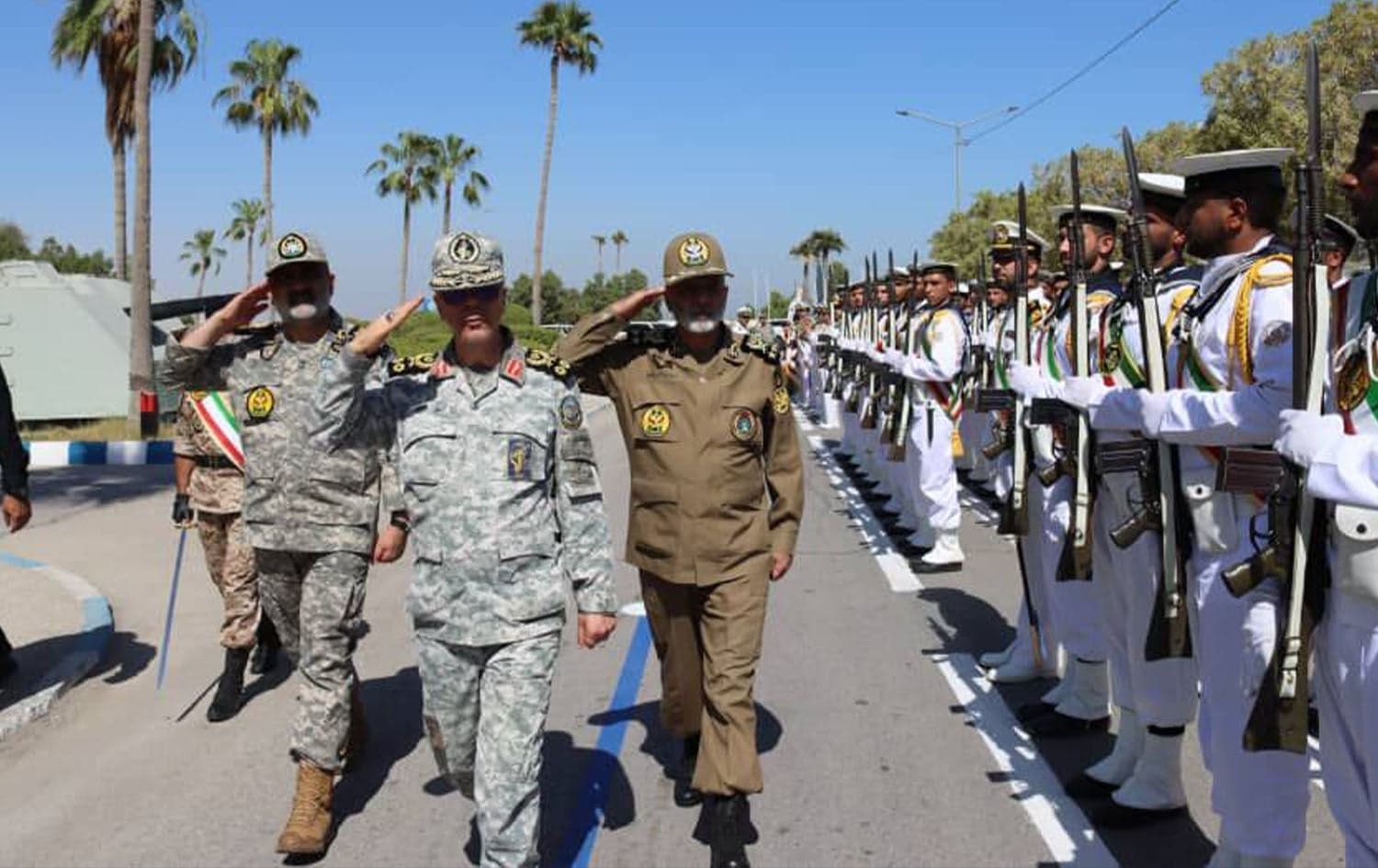
Chief of staff of Iran's armed forces Major General Mohammad Bagheri during his visit to combat units in the southern Iran's Hormozgan province on May 11, 2025. Photo: IRNA
ERBIL, Kurdistan Region - The Iranian military said it is “fully prepared” for military confrontation amid threats from Washington should a nuclear deal fail to be struck with Washington, state media reported.
“The armed forces of the Islamic Republic of Iran are fully prepared for any situation,” chief of staff of Iran's armed forces Major General Mohammad Bagheri said during his visit to combat units in the southern Hormozgan province, as cited by state-owned IRNA news agency on Sunday.
Earlier this month, Iranian Defense Minister Aziz Nasirzadeh said that while Tehran will not initiate war, it will respond “without hesitation” if subjected to a military attack.
He was responding to statements from US Secretary of Defense Pete Hegseth, who earlier this month warned Iran over its support for the Houthis in Yemen.
During his visit, Bagheri emphasized that he was in Hormozgan for "assessing the operational status of the region as well as the level of preparedness of the Islamic Republic of Iran's armed forces, especially the strategic navy of the army and the Revolutionary Guard Corps [IRGC], in defending our country's territorial and international waters and national resources."
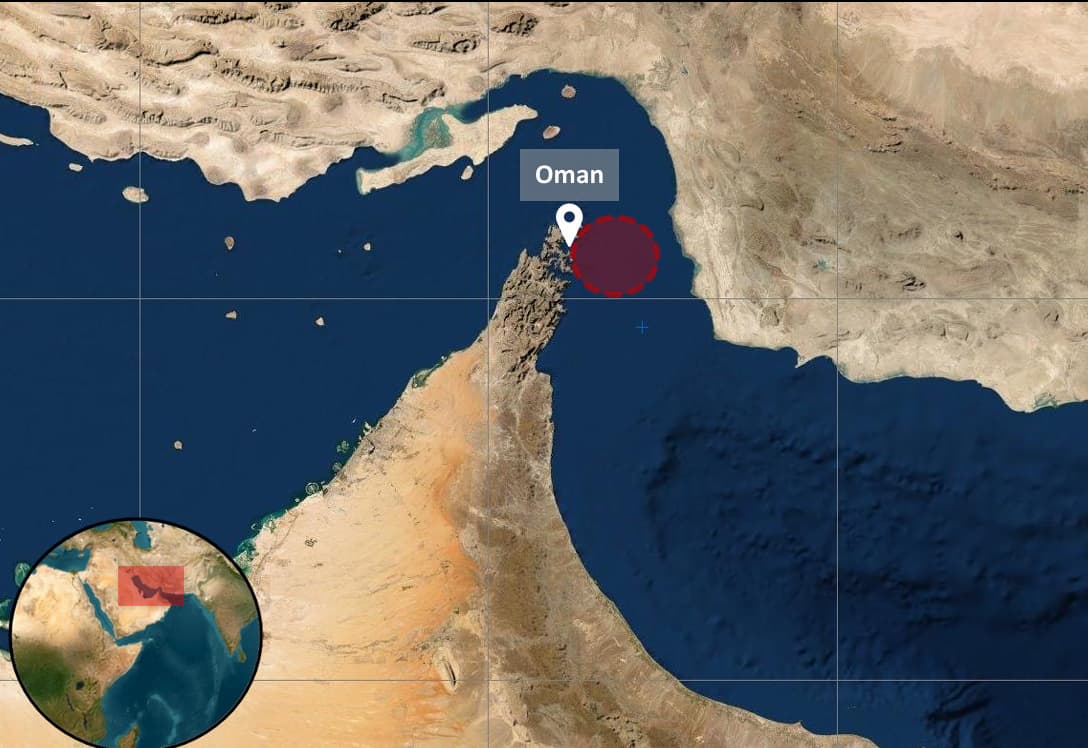
Tehran and Washington are currently engaged in indirect talks about Iran’s nuclear program and sanctions relief. The talks began on April 12 in Oman and the most recent round was completed on Sunday.
Iranian Foreign Minister Abbas Araghchi described the most recent round as “significantly more serious.”
Under a 2015 nuclear deal with world powers, also known as the Joint Comprehensive Plan of Action (JCPOA), Tehran agreed to curb its nuclear enrichment program for much-needed relief from crippling sanctions.
But the deal began unraveling in 2018 when Trump, during his first term, unilaterally withdrew and imposed biting sanctions on the Islamic republic, which in turn began rolling back on its nuclear commitments.
Upon returning to office, Trump in early February restored his “maximum pressure” policy against Tehran, arguing that it is “too close” to a nuclear weapon and seeking a new deal with Tehran.
In late March, Trump warned that “there will be bombing” against Iranian interests if Tehran fails to reach an agreement with Washington over its nuclear program.
“If they don’t make a deal [with the US] there will be bombing, and it will be bombing the likes of which they have never seen before,” he told NBC News.
In an indirect response to Trump’s threats, Iran’s Supreme Leader Ayatollah Ali Khamenei warned of a strong response if Iran is attacked.
“They threaten to commit evil,” but “if evil is committed, the counterattack will definitely be mutually strong,” Khamenei said.
Tehran has always asserted that its nuclear program is peaceful and that nuclear weapons go against the Islamic republic’s doctrine.
“The armed forces of the Islamic Republic of Iran are fully prepared for any situation,” chief of staff of Iran's armed forces Major General Mohammad Bagheri said during his visit to combat units in the southern Hormozgan province, as cited by state-owned IRNA news agency on Sunday.
Earlier this month, Iranian Defense Minister Aziz Nasirzadeh said that while Tehran will not initiate war, it will respond “without hesitation” if subjected to a military attack.
He was responding to statements from US Secretary of Defense Pete Hegseth, who earlier this month warned Iran over its support for the Houthis in Yemen.
During his visit, Bagheri emphasized that he was in Hormozgan for "assessing the operational status of the region as well as the level of preparedness of the Islamic Republic of Iran's armed forces, especially the strategic navy of the army and the Revolutionary Guard Corps [IRGC], in defending our country's territorial and international waters and national resources."
Tehran and Washington are currently engaged in indirect talks about Iran’s nuclear program and sanctions relief. The talks began on April 12 in Oman and the most recent round was completed on Sunday.
Iranian Foreign Minister Abbas Araghchi described the most recent round as “significantly more serious.”
Under a 2015 nuclear deal with world powers, also known as the Joint Comprehensive Plan of Action (JCPOA), Tehran agreed to curb its nuclear enrichment program for much-needed relief from crippling sanctions.
But the deal began unraveling in 2018 when Trump, during his first term, unilaterally withdrew and imposed biting sanctions on the Islamic republic, which in turn began rolling back on its nuclear commitments.
Upon returning to office, Trump in early February restored his “maximum pressure” policy against Tehran, arguing that it is “too close” to a nuclear weapon and seeking a new deal with Tehran.
In late March, Trump warned that “there will be bombing” against Iranian interests if Tehran fails to reach an agreement with Washington over its nuclear program.
“If they don’t make a deal [with the US] there will be bombing, and it will be bombing the likes of which they have never seen before,” he told NBC News.
In an indirect response to Trump’s threats, Iran’s Supreme Leader Ayatollah Ali Khamenei warned of a strong response if Iran is attacked.
“They threaten to commit evil,” but “if evil is committed, the counterattack will definitely be mutually strong,” Khamenei said.
Tehran has always asserted that its nuclear program is peaceful and that nuclear weapons go against the Islamic republic’s doctrine.
Comments
Rudaw moderates all comments submitted on our website. We welcome comments which are relevant to the article and encourage further discussion about the issues that matter to you. We also welcome constructive criticism about Rudaw.
To be approved for publication, however, your comments must meet our community guidelines.
We will not tolerate the following: profanity, threats, personal attacks, vulgarity, abuse (such as sexism, racism, homophobia or xenophobia), or commercial or personal promotion.
Comments that do not meet our guidelines will be rejected. Comments are not edited – they are either approved or rejected.
Post a comment