


Iran

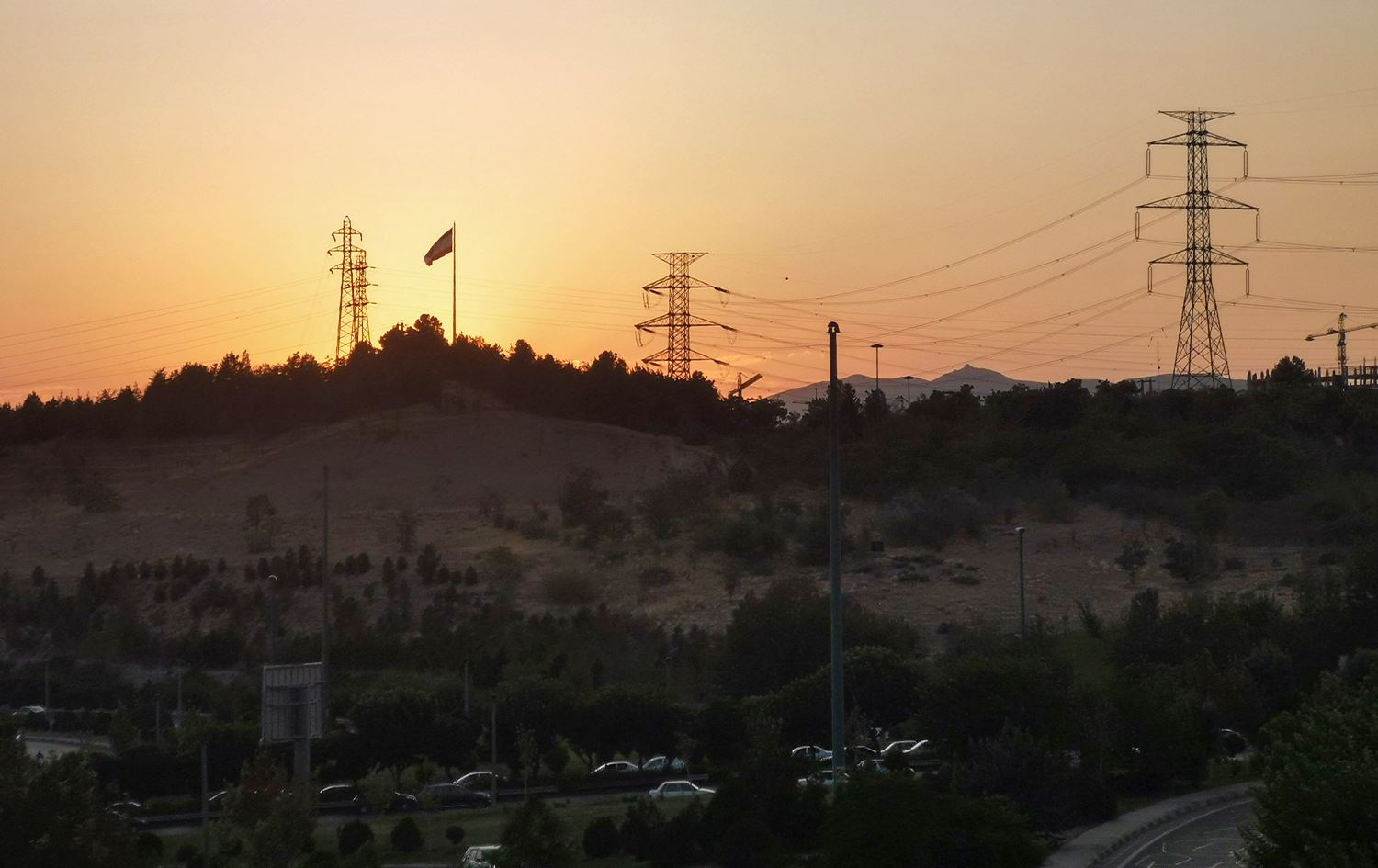
Cars drive on a highway beneath high voltage electricity towers at sunset in western Tehran on August 11, 2025. Photo: Atta Kenare/AFP
ERBIL, Kurdistan Region - The Iranian government on Tuesday urged citizens to help address severe water and electricity shortages by saving and managing consumption, stressing that public cooperation is essential.
“The government, along with experts, academics, and specialists, is in talks to resolve the imbalances and provide solutions to the issues. We must solve the issue of energy imbalance in water and electricity … with the help of the people themselves, through saving and managing consumption,” government spokesperson Fatemeh Mohajerani said in a weekly presser.
She emphasized that resolving the shortages requires time and “definitely needs the support of the people, otherwise there is no other way,” calling for a decrease in consumption.
Iran has been facing water and electricity shortages in recent years, which have intensified in the past few months. Residents of Tehran and the western Kurdish regions (Rojhelat) say that power cuts last for hours, making the summer heat intolerable.
The government has announced official holidays for government institutions, branches, and banks in an attempt to save energy and manage consumption, leading to numerous issues due to the delay of administrative tasks.
Earlier in August, President Masoud Pezeshkian warned of a “severe imbalance in the water and electricity sectors,” urging the energy ministry to expedite its efforts to minimize the damage.
State media in August said that 56 percent of the country’s dam reservoirs were empty, while Iran’s Water Resources Management Company has reported that dam inflows have fallen 42 percent.
As a result of years of mismanagement, Lake Urmia in West Azerbaijan province – the world’s second largest hypersaline lake – is now experiencing an unprecedented decline in water levels and could potentially dry up this year, the semi-official Tasnim news agency warned on Tuesday.
“The government, along with experts, academics, and specialists, is in talks to resolve the imbalances and provide solutions to the issues. We must solve the issue of energy imbalance in water and electricity … with the help of the people themselves, through saving and managing consumption,” government spokesperson Fatemeh Mohajerani said in a weekly presser.
She emphasized that resolving the shortages requires time and “definitely needs the support of the people, otherwise there is no other way,” calling for a decrease in consumption.
Iran has been facing water and electricity shortages in recent years, which have intensified in the past few months. Residents of Tehran and the western Kurdish regions (Rojhelat) say that power cuts last for hours, making the summer heat intolerable.
The government has announced official holidays for government institutions, branches, and banks in an attempt to save energy and manage consumption, leading to numerous issues due to the delay of administrative tasks.
Earlier in August, President Masoud Pezeshkian warned of a “severe imbalance in the water and electricity sectors,” urging the energy ministry to expedite its efforts to minimize the damage.
State media in August said that 56 percent of the country’s dam reservoirs were empty, while Iran’s Water Resources Management Company has reported that dam inflows have fallen 42 percent.
As a result of years of mismanagement, Lake Urmia in West Azerbaijan province – the world’s second largest hypersaline lake – is now experiencing an unprecedented decline in water levels and could potentially dry up this year, the semi-official Tasnim news agency warned on Tuesday.


Comments
Rudaw moderates all comments submitted on our website. We welcome comments which are relevant to the article and encourage further discussion about the issues that matter to you. We also welcome constructive criticism about Rudaw.
To be approved for publication, however, your comments must meet our community guidelines.
We will not tolerate the following: profanity, threats, personal attacks, vulgarity, abuse (such as sexism, racism, homophobia or xenophobia), or commercial or personal promotion.
Comments that do not meet our guidelines will be rejected. Comments are not edited – they are either approved or rejected.
Post a comment