ERBIL, Kurdistan Region - Iran’s judiciary chief on Monday ordered expedited handling of espionage cases involving alleged collaboration with Israel and the United States, following a legislative move by Iran’s parliament to expand the definition of espionage and increase penalties - up to and including execution.
Gholamhossein Mohseni-Ejei, head of Iran’s judiciary, directed authorities to resolve cases “linked to the aggressive Zionist regime” with maximum speed, precision, and legal rigor. “Part of the deterrence in this matter lies in the speed of action,” Ejei said, according to the judiciary-run Mizan news agency.
Iran’s chief justice further urged officials and state media to foster national unity, warning that “the enemy seriously pursues psychological warfare against the Iranian people” and accusing Israel of spreading disinformation through “rumor-mongers, liars, and satanic individuals” in order to fracture societal cohesion.
Ejei’s remarks came one day after Iran’s parliament passed amendments to its espionage laws, dramatically expanding the definition of hostile acts and stipulating capital punishment for a broad array of offenses involving cooperation with countries defined as enemies - including Israel and the United States.
According to the state-run IRNA news agency, the revised law punishes “any operational action” against Iran’s security or national interests - including espionage or intelligence work for Israel, the US, or affiliated groups - with “execution and property confiscation.”
It further notes that "any security, military, economic, financial, technological action, or any direct or indirect assistance that leads to the strengthening, consolidation, or legitimization of the Zionist regime shall be punishable by execution and confiscation of property” as well.
Additionally, revised bill broadens death penalty criteria to include "manufacturing... or using firearms, cold weapons, or unconventional weapons" and "any cyber warfare" carried out "to cooperate with the Zionist regime or hostile governments or groups."
The amendments tighten control over information sharing, stating that "sending films, images, or information to hostile media or foreign networks... if contrary to national security" will result in fifth-degree discretionary imprisonment - typically involves a prison term of 2 to 5 years - and permanent dismissal from public service.
Furthermore, unauthorized satellite internet tools, such as Starlink, are now explicitly banned.
The legislative and judicial crackdown comes weeks after tensions between Israel and Iran escalated on June 13, when Israeli airstrikes in Iran killed senior military commanders and nuclear scientists. Tehran responded with missile and drone attacks on Israel.
The conflict widened on June 22 when the United States struck three key Iranian nuclear sites. Tehran retaliated by launching a missile strike on a US base in Qatar. A ceasefire, brokered by Washington, took effect on June 24 and appears to be holding.
Importantly, between June 13 and July 5, amid the Israel-Iran conflict, Iranian authorities arrested at least 900 people for alleged espionage and propaganda, according to the Oslo-based Hengaw Human Rights Organization.
Authorities have also carried out multiple executions of individuals accused of spying for Israel and released video confessions from several of them. However, human rights groups question the legitimacy of these confessions, citing Iran’s long-documented use of coercion, psychological abuse, and torture to extract admissions.
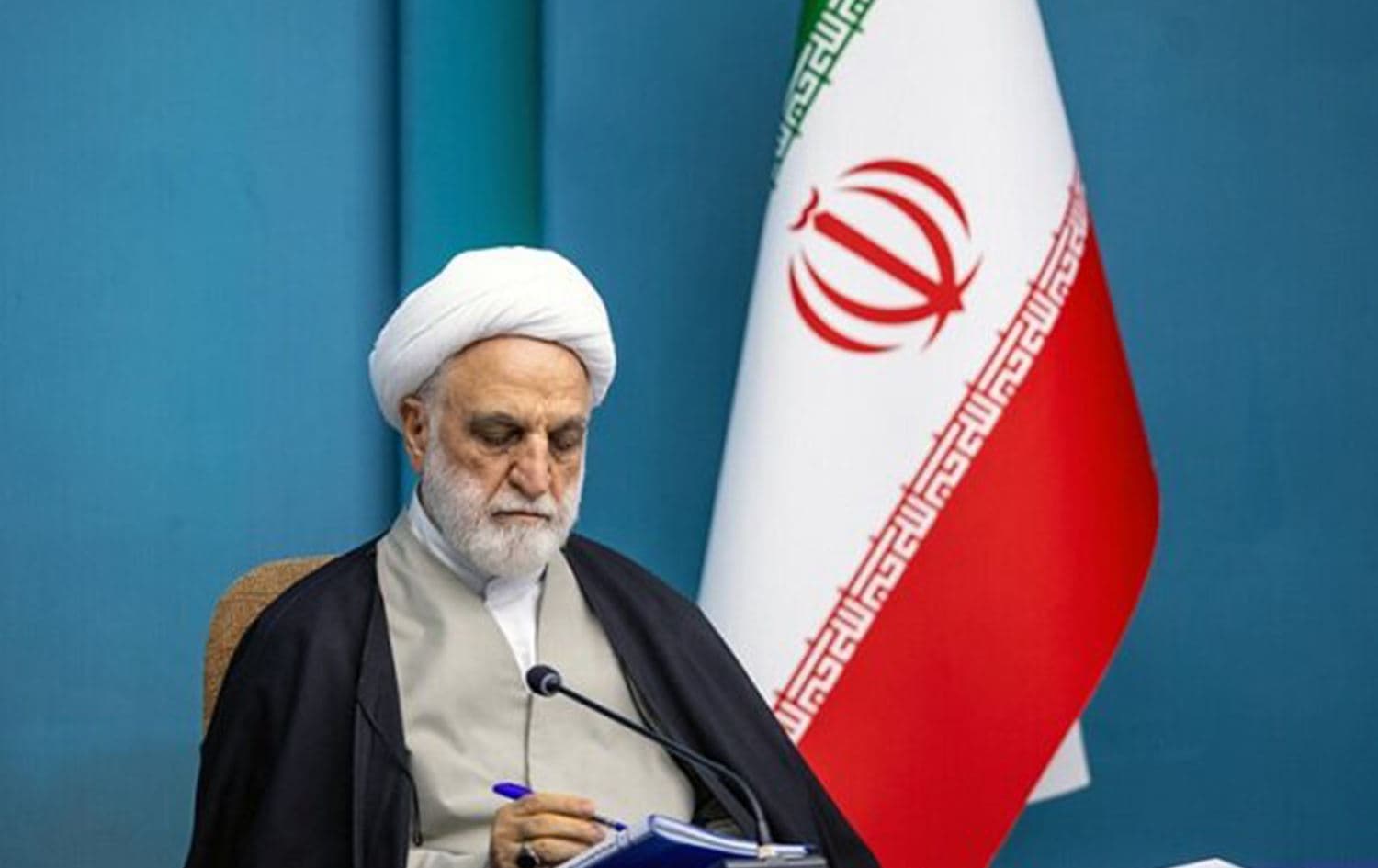
Gholamhossein Mohseni-Ejei, head of Iran’s judiciary, directed authorities to resolve cases “linked to the aggressive Zionist regime” with maximum speed, precision, and legal rigor. “Part of the deterrence in this matter lies in the speed of action,” Ejei said, according to the judiciary-run Mizan news agency.
Iran’s chief justice further urged officials and state media to foster national unity, warning that “the enemy seriously pursues psychological warfare against the Iranian people” and accusing Israel of spreading disinformation through “rumor-mongers, liars, and satanic individuals” in order to fracture societal cohesion.
Ejei’s remarks came one day after Iran’s parliament passed amendments to its espionage laws, dramatically expanding the definition of hostile acts and stipulating capital punishment for a broad array of offenses involving cooperation with countries defined as enemies - including Israel and the United States.
According to the state-run IRNA news agency, the revised law punishes “any operational action” against Iran’s security or national interests - including espionage or intelligence work for Israel, the US, or affiliated groups - with “execution and property confiscation.”
It further notes that "any security, military, economic, financial, technological action, or any direct or indirect assistance that leads to the strengthening, consolidation, or legitimization of the Zionist regime shall be punishable by execution and confiscation of property” as well.
Additionally, revised bill broadens death penalty criteria to include "manufacturing... or using firearms, cold weapons, or unconventional weapons" and "any cyber warfare" carried out "to cooperate with the Zionist regime or hostile governments or groups."
The amendments tighten control over information sharing, stating that "sending films, images, or information to hostile media or foreign networks... if contrary to national security" will result in fifth-degree discretionary imprisonment - typically involves a prison term of 2 to 5 years - and permanent dismissal from public service.
Furthermore, unauthorized satellite internet tools, such as Starlink, are now explicitly banned.
The legislative and judicial crackdown comes weeks after tensions between Israel and Iran escalated on June 13, when Israeli airstrikes in Iran killed senior military commanders and nuclear scientists. Tehran responded with missile and drone attacks on Israel.
The conflict widened on June 22 when the United States struck three key Iranian nuclear sites. Tehran retaliated by launching a missile strike on a US base in Qatar. A ceasefire, brokered by Washington, took effect on June 24 and appears to be holding.
Importantly, between June 13 and July 5, amid the Israel-Iran conflict, Iranian authorities arrested at least 900 people for alleged espionage and propaganda, according to the Oslo-based Hengaw Human Rights Organization.
Authorities have also carried out multiple executions of individuals accused of spying for Israel and released video confessions from several of them. However, human rights groups question the legitimacy of these confessions, citing Iran’s long-documented use of coercion, psychological abuse, and torture to extract admissions.
Comments
Rudaw moderates all comments submitted on our website. We welcome comments which are relevant to the article and encourage further discussion about the issues that matter to you. We also welcome constructive criticism about Rudaw.
To be approved for publication, however, your comments must meet our community guidelines.
We will not tolerate the following: profanity, threats, personal attacks, vulgarity, abuse (such as sexism, racism, homophobia or xenophobia), or commercial or personal promotion.
Comments that do not meet our guidelines will be rejected. Comments are not edited – they are either approved or rejected.
Post a comment