
SANANDAJ, Iran - Always full of energy, a journey to the vibrant Kurdish city of Sanandaj in western Iran - a cultural hub known for its lively streets and rich identity - is usually an inviting prospect. This time, however, amid the realities of war, we entered the city center and its well-known streets from an unfamiliar route - a choice that quickly became the focus of our reporting.
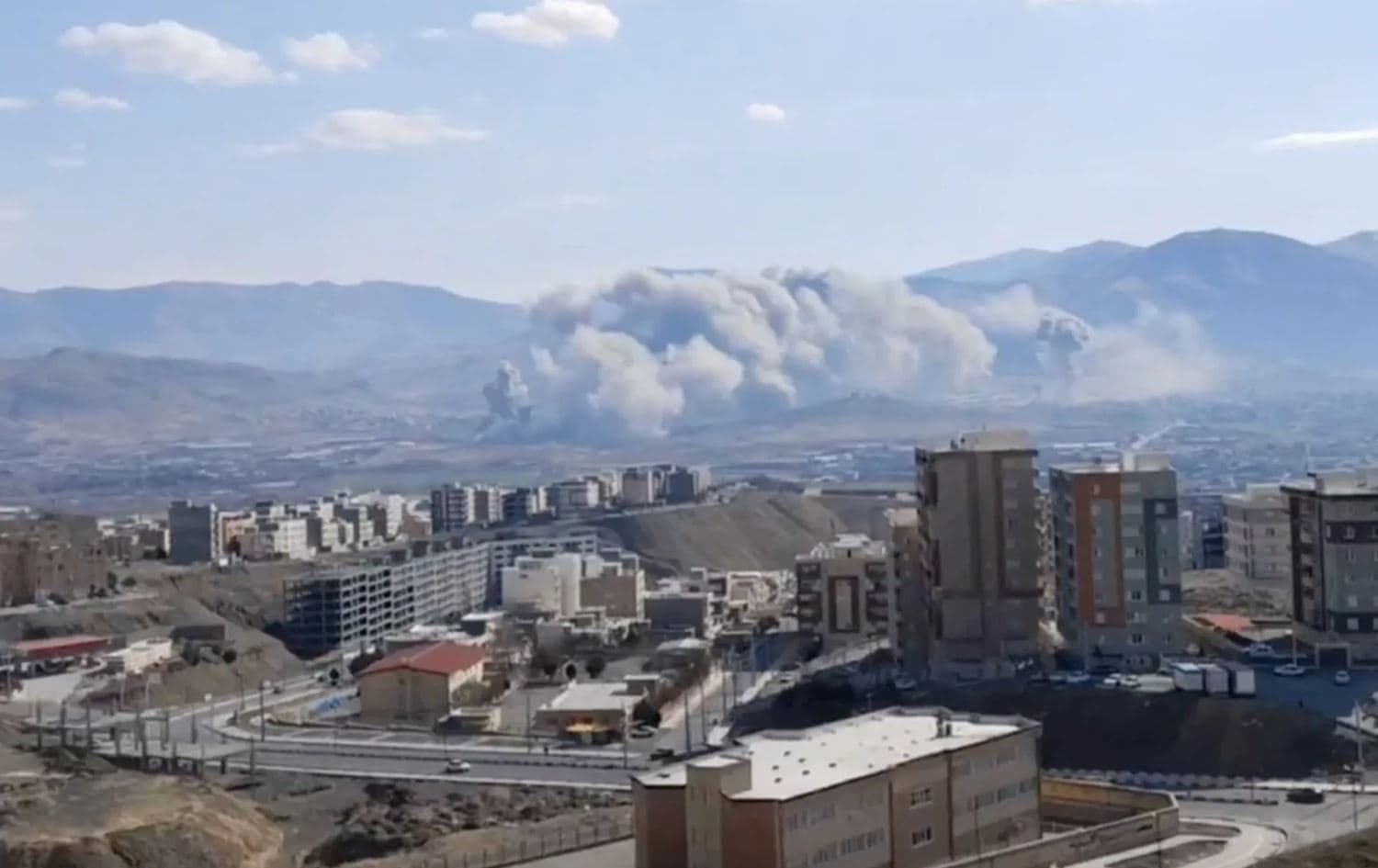
Because of the risk of US and Israeli airstrikes targeting military positions belonging to the Islamic Revolutionary Guard Corps (IRGC) and the army on the eastern outskirts - locally known as the Sanandaj garrison - we changed course and entered from the northern road. Heavy checkpoints and dense military surveillance immediately underscored a sense of abnormality. Once inside the city, a contradictory picture emerged: normal traffic and daily movement in some neighborhoods, while elsewhere streets were closed following airstrikes or damage to government and military sites.
Sanandaj, the capital of Kurdistan province, had a population of more than 650,000 according to official Iranian statistics in 2020. Four weeks into the war, the city appears to have partially emerged from the initial shock, with a somewhat more stable - though fragile - atmosphere. In the early days of the conflict, explosions were heard daily from multiple locations. Now, as bombardment has eased, residents have begun to adapt and activity has gradually increased. Fuel prices remain higher than before the war but have fallen from their initial spike. Bread prices have followed a similar trajectory. Conversations with residents reveal deeper layers, reflecting the profound impact of the conflict on daily life.
As in other parts of Iran, the start of the war triggered widespread anxiety. Many residents rushed to buy essential food items - rice, oil, sugar, potatoes, flour - driving noticeable price increases. Panic buying continued until fuel supplies stabilized and bakeries resumed more normal operations. Households also began stockpiling items such as pasta and biscuits.
A large portion of Sanandaj’s population left for nearby villages in the first days, staying with relatives.
“In my opinion, about half the population left at the beginning," Shaho, a 45-year-old resident, told Rudaw. "The streets were visibly empty. Some tried to buy houses in villages at prices far above normal, while others rented for a month or two.”
He added: “I heard that in the village of Mianeh, one of the large villages on the Sanandaj–Mariwan road, even tents were being rented.”
Asked about his own plans, he said: “We have a garden near our village. From the first day we prepared a place there. If things worsen, we will have no choice but to go.”
This initial wave has since eased for several reasons. The influx placed heavy financial pressure on rural families as costs rose. Despite bringing supplies, many displaced families soon felt they were burdening relatives already struggling economically. At the same time, years of urban living and changing social norms made extended stays in villages - particularly for younger generations - difficult. As bombardment decreased, many returned home.
Nevertheless, rural homes remain important fallback options, as residents expect the conflict to continue. Gardens, farms, workshops, and areas far from government and military sites are widely viewed as safer temporary shelters.
Another pattern of displacement has also emerged: families returning from Tehran and other Iranian cities because of heavy bombardment.
Shorsh, originally from Sanandaj but living in Tehran for 17 years, said: “We all returned because of the deteriorating situation in Tehran. We used to visit Sanandaj for holidays and loved it, but this time it’s different. We are spread among relatives, and it feels uncomfortable to stay long in these difficult economic conditions. The worst part is not knowing how long this displacement and unemployment will last.”
Movement, markets, and daily life
Travel to other cities has declined sharply. Arman, who runs a shop at Sanandaj’s main terminal, said passenger traffic has dropped significantly since the war began, and drivers are complaining. Freight transport has also slowed due to strikes on Gulf port cities such as Bandar Abbas, leaving trucks stranded on roads near Sanandaj and Mariwan.
Today, streets appear somewhat more active. Residents attribute this partly to the approach of Nowruz and Ramadan. However, many say people are mainly buying Kurdish clothing for children rather than for themselves.
Shopkeepers agree that while there is movement, sales remain weak and most customers purchase only essentials. On major streets such as Bahman Sixth Street, also known as Pasdaran Street, where many clinics and shopping centers are located, most businesses remain closed. Nearly 90 percent of doctors are not working, and one of the main hospitals has reportedly been reserved for government forces. Ordinary patients are accepted only in emergency cases.
Food supply - particularly fruits, vegetables, and potatoes - has stabilized after early shortages. Prices initially doubled or tripled but have since fallen as supply resumed and panic buying subsided. For example, potatoes rose from 35,000 tomans per kilogram to 120,000 before recently returning closer to previous levels.
Markets now revolve largely around essential purchases. Businesses near military and government sites remain closed due to fear of bombardment. Some sectors - construction, tourism, weddings - have collapsed entirely. Others have surged: glaziers repairing shattered windows are overwhelmed, film and media shops are busy amid internet outages, and solar panels, battery lights, and generators are in high demand, with prices doubling or tripling.
Although most strikes have been aerial and physical damage limited, the social impact has been significant. Conversations revolve almost entirely around the war. Public safety has become a major concern. After many residents fled to villages, theft and looting reportedly increased sharply.
“No one dares leave their house empty. I know people who were robbed and went to the police, but they were told: even if we catch them, we have nowhere to hold them - better settle it yourselves," Sayvan, a shopkeeper in the Naysar neighborhood, said.
He added that organized car-theft rings have emerged, demanding ransoms of 50–100 million tomans to return vehicles.
Fear of bombardment has also increased social visits, with families checking on each other more frequently.
Public opinion is divided. Some residents - particularly older ones who remember the 1979 revolution and the 26-day bombardment of Sanandaj - fear further destruction despite hoping for political change. Others oppose any upheaval, worried about chaos and potential intervention by Kurdish parties. A third group sees the weakening or fall of the government as a necessary opportunity for change and Kurdish rights. Overall, the population lives between fear and hope.
Women generally express more concern about the war, while many younger people appear more optimistic about potential change. Compared with other Kurdish regions, fewer residents openly advocate for a Kurdish autonomous status similar to Iraq’s Kurdistan Region, though some still hope for expanded national rights.
With internet disruptions across Iran, demand for satellite television has surged, and receiver prices have doubled or tripled. Those without access often visit relatives at night to watch the news. Iranian opposition channels and Kurdish media - especially those broadcasting from Iraqi Kurdistan - attract large audiences.
Universities and schools are closed. Hospitals accept only emergency cases. Most government offices operate with minimal staff, often relocated for security reasons. Courts have suspended ordinary cases. Many prisoners have reportedly been temporarily released, except those convicted of serious crimes - a move widely blamed for rising theft.
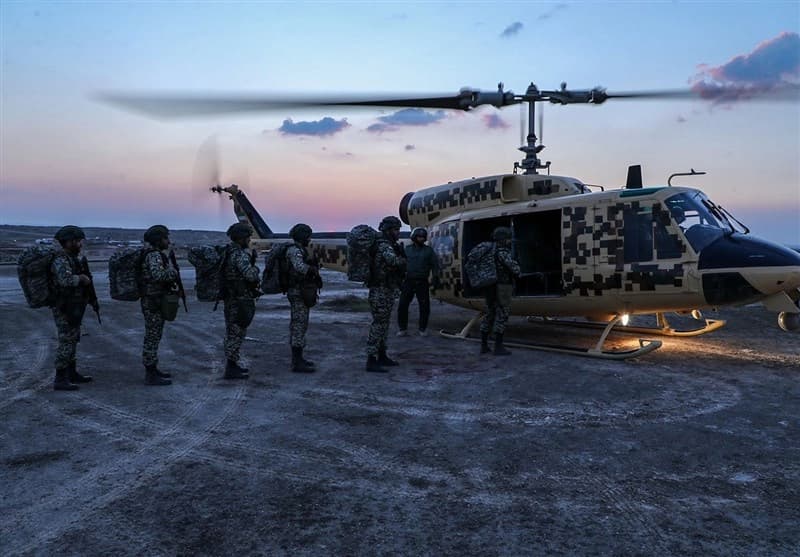
Security and military offices were evacuated early in the war, many later struck. Security forces are visible at intersections and public areas, often in civilian vehicles. Some military units are stationed in schools, mosques, and government buildings. Authorities frequently block streets after strikes and send warning messages to residents against filming or cooperating with “enemy” forces.
At Iqbal Square, officially Azadi Square, security forces have erected a large tent broadcasting pro-government chants and religious displays - one of the most visible signs of abnormality in the city.
Behind the scenes, many activists are preparing for potential developments. Some clandestine political networks reportedly expect armed uprisings if conditions worsen, maintaining contact despite limited internet access - sometimes via Starlink. Others focus on civil preparedness: healthcare, food distribution, and emergency response in case of governance collapse.
Many civil activists believe the weakening - or potential collapse - of Iranian state authority in Kurdistan is increasingly plausible.
For now, the people of Sanandaj live between fear and hope, adapting day by day to a fragile and uncertain wartime reality.
A special correspondent on the ground contributed to this article.