
ERBIL, Kurdistan Region - Iran’s judiciary chief said Tuesday authorities will expedite the confiscation of properties of individuals accused of espionage to repair the damages incurred by the country’s recent war with the United States and Israel.
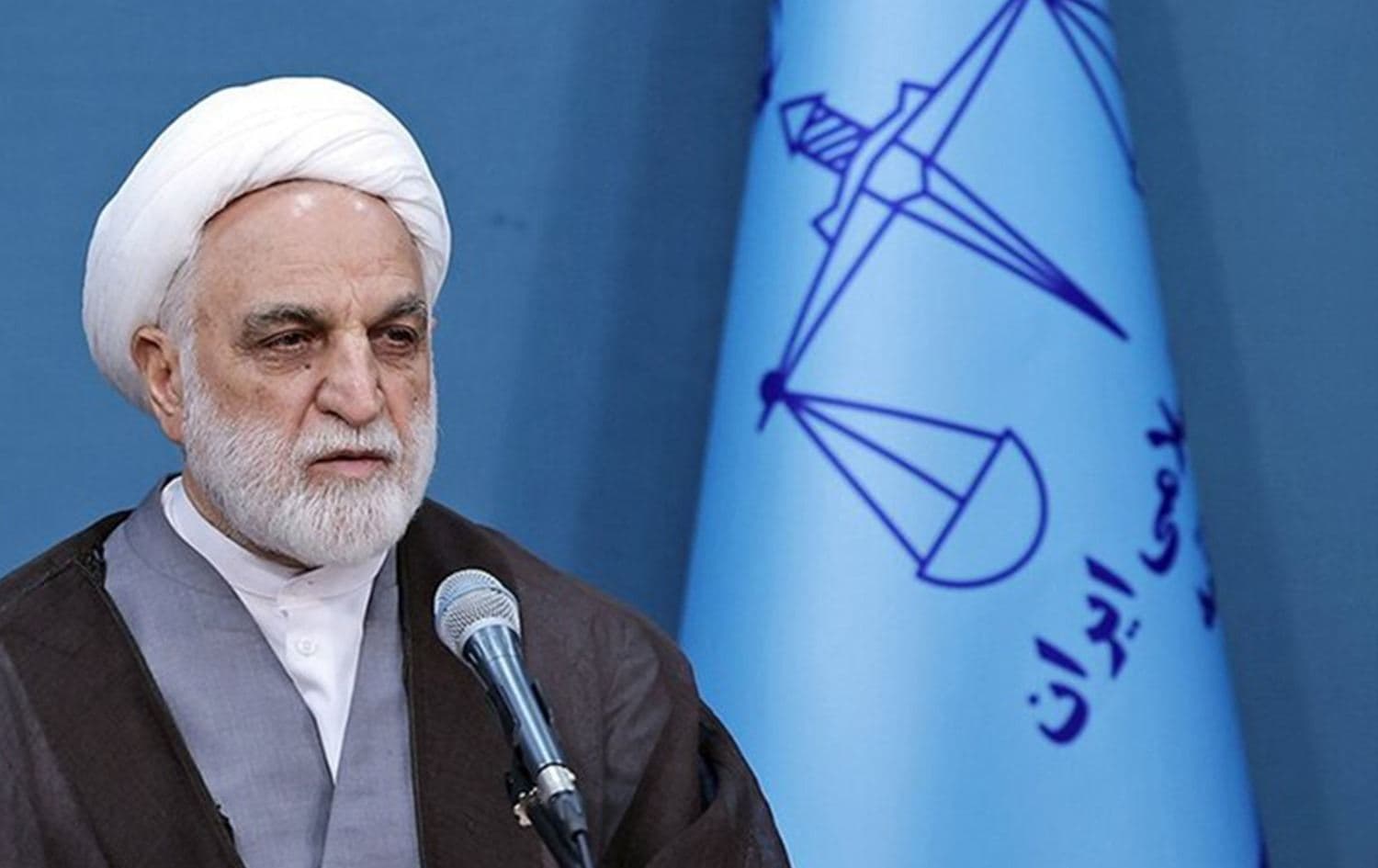
“The person who is Iranian on his ID card, but in reality is among the anti-Iranians of history, must pay the price for his association with the aggressor and his property must be seized and confiscated for the benefit of the nation,” Gholam-Hossein Mohseni-Ejei said, as cited by the semi-official Mehr News Agency.
Ejei said measures have been taken to “expedite” redistributing confiscated wealth from “traitors” for “the benefit of the public and rebuilding infrastructure.”
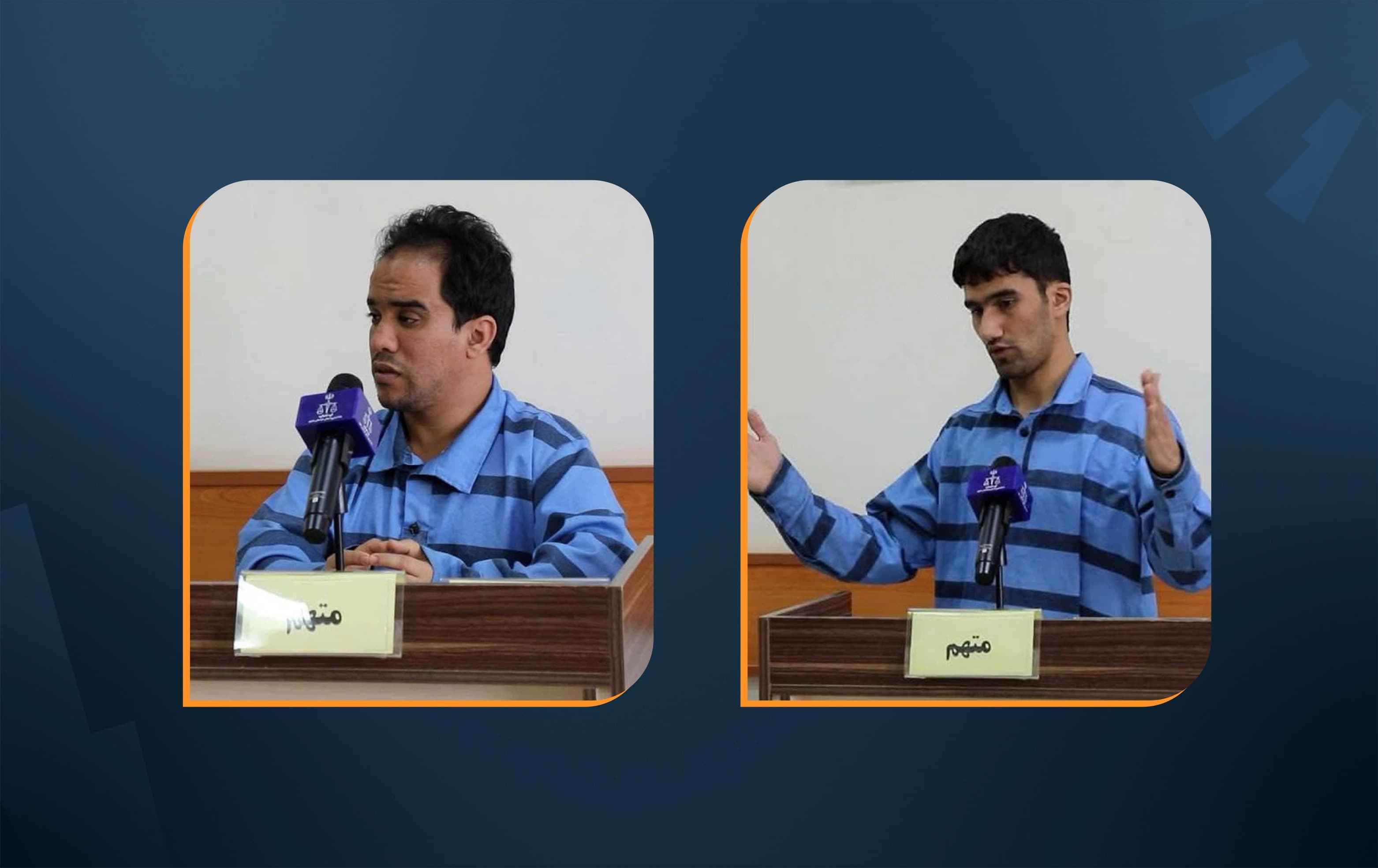
Arrests and executions in Iran have surged since and after February 28, when the joint US-Israeli military campaign against the country started. At least 25 detainees and prisoners have been executed since the war, according to the Norway-based watchdog Hengaw Organization for Human Rights.
Iran primarily resorts to the law of “Intensifying the Punishment for Espionage and Cooperation with the Zionist Regime and Hostile Countries Against National Security and Interests” to launch the arrest campaigns and issue death penalties.
Enacted after the 12-Day War with Israel in June 2025, the law imposes the death penalty or property confiscation for individuals charged with participating in anti-government protests or communicating with Iran’s adversaries.
"People who cooperate with the enemy aggressor in any way, whether inside the country or abroad, should be assured that we will go after them in accordance with the law, and if the punishment of confiscation of property is legally applicable to them,” Ejei said in his Tuesday statement.
Washington and Tel Aviv struck around 17,000 sites across Iran during the war, causing significant damage estimated at $270 billion, according to official preliminary figures released in mid-April.
Iran initially sought to levy an unofficial tax on vessels passing through the Strait of Hormuz - a strategic waterway through which about one-fifth of global energy supplies pass. The US imposed a blockade on the waterway less than a week after announcing a Pakistani-brokered ceasefire agreement with Tehran on April 8.
Although the fragile truce has prevented another confrontation, the US-Iran talks are now stalled after US President Donald Trump on Tuesday expressed dissatisfaction over a proposal submitted to Islamabad by Iran on Sunday, according to a US official who spoke to Reuters.
The official added that Iran’s proposal included lifting the US blockade on the Strait of Hormuz while tabling discussions about the nuclear issue - a sticking point in the talks - for later.
Commenting on the negotiations, US Secretary of State Marco Rubio said in a Monday interview cited by the US State Department that the proposal was “better than what we thought they were going to submit.”
But Rubio said Iranian leadership is split between “hardliners who understand that they have to run a country and an economy” and “hardliners that are completely motivated by theology,” noting that they are not sure if the Iranian official submitting the offer “had the authority” to do so.
Iran’s proposal was submitted by the Iranian Foreign Minister Abbas Araghchi.
Regarding Iran’s alleged intention to tax vessels passing through Hormuz, Rubio said that “they cannot normalize nor can we tolerate them trying to normalize a system in which the Iranians decide who gets to use an international waterway and how much you have to pay them to use it.”