Iran claims ‘legal right’ to act in Hormuz Strait, blames US for maritime disruptions
2 hours ago
Rudaw
A+ A-
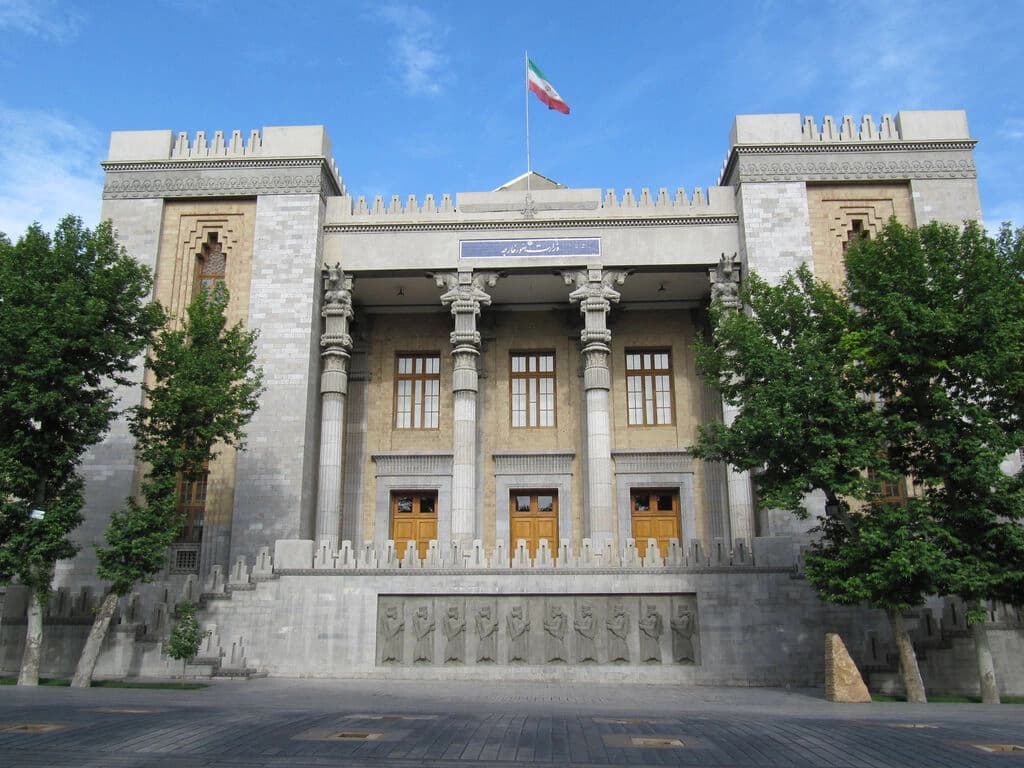
ERBIL, Kurdistan Region - Iran has “the legitimate and legal right” to respond to what it considers “security threats” in the Strait of Hormuz, Tehran’s permanent mission to the United Nations stated on Tuesday, further blaming the United States for “any disruption” to maritime transport in the key waterway and wider Gulf waters. The remarks came a day after dozens of diplomats gathered at the UN, calling for the reopening of the critical chokepoint.

In a statement on X, the mission said, as “the main coastal state” bordering the Strait, “Iran has the legitimate and legal right to take necessary and proportionate measures to address emerging security threats, ensure safe navigation, and prevent the misuse of the Strait of Hormuz for hostile or military purposes.”

It added that “any disruption to maritime transport in the Persian Gulf and the Strait of Hormuz, and its consequences, lie with the U.S., whose unlawful actions endanger international navigation.

The statement further said that “lasting stability and security in the Persian Gulf and the wider region can only be achieved through a durable and permanent cessation of aggression against Iran, supplemented by credible guarantees of non-recurrence, and full respect for the legitimate sovereign rights and interests of Iran.”

The US and Israel launched a wide-scale air campaign against Iran on February 28, targeting more than 17,000 sites across the country over six weeks of hostilities. In response, Tehran carried out drone and missile strikes across the Middle East, targeting alleged US assets - particularly in Gulf Arab states - as well as launching retaliatory attacks against Israel.

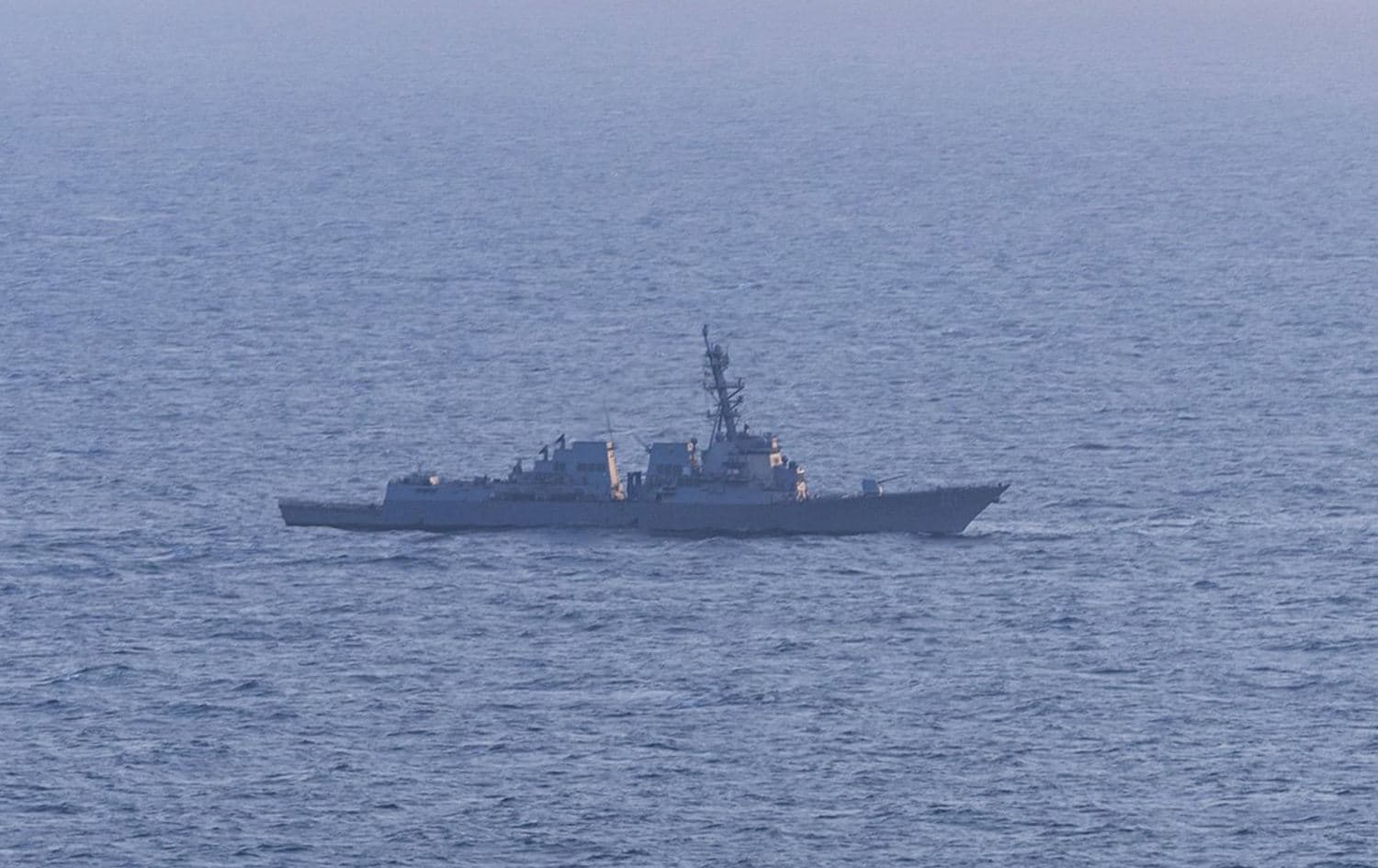
Further complicating the situation are tit-for-tat maritime restrictions in the Strait of Hormuz, where Iran has tightened controls on shipping, while the US has enforced naval measures targeting vessels linked to Iranian ports.

The US and Iran agreed to a Pakistan-mediated ceasefire on April 8, halting fighting to allow space for talks. While the first round of discussions ended without a final agreement on April 11, Islamabad has in recent weeks stepped up efforts to facilitate a second round of talks between American and Iranian negotiators, though these efforts have yet to yield tangible results.

Notably, the Iranian mission’s remarks come a day after diplomats from dozens of countries gathered at the UN to demand the reopening of the Strait of Hormuz, increasing pressure on Iran to allow shipping through the key chokepoint, which handles over 25 percent of global seaborne oil trade and around 20 percent of global liquefied natural gas (LNG) shipments.

Staged ahead of an open Security Council meeting on the escalation in the waterway, Bahraini Foreign Minister Abdullatif bin Rashid Al Zayani read a joint statement on behalf of the assembled delegations, affirming that “free navigation through the Strait of Hormuz is a cornerstone of global security and prosperity.”

Speaking inside the chamber, UN Secretary-General Antonio Guterres echoed the call for unimpeded passage, stressing that “navigational rights and freedoms through the Strait of Hormuz must be respected.”

“I appeal to the parties: open the strait. Let ships pass. No tolls. No discrimination. Let trade resume,” Guterres said.

Comments

Rudaw moderates all comments submitted on our website. We welcome comments which are relevant to the article and encourage further discussion about the issues that matter to you. We also welcome constructive criticism about Rudaw.

To be approved for publication, however, your comments must meet our community guidelines.

We will not tolerate the following: profanity, threats, personal attacks, vulgarity, abuse (such as sexism, racism, homophobia or xenophobia), or commercial or personal promotion.

Comments that do not meet our guidelines will be rejected. Comments are not edited – they are either approved or rejected.

Post a comment

Required
Required
 

The Latest

An Iran Air Airbus A321 arrives at Tehran’s Mehrabad Airport on January 12, 2017. File photo: AFP

Iran-Iraq flights resume after nearly two-month suspension

Flights between Iran and Iraq have begun to resume after nearly two months of disruption, marking a gradual return to normal air travel following the fragile ceasefire between the United States and Iran, which came into effect on April 8.