ERBIL, Kurdistan Region — The brutal takeover of the Yazidi heartland of Shingal by the Islamic State (ISIS) in August 2014 has led to more than 400 families separated across continents.
Many Yazidi families have at least one family member in Europe, according to Jaafar Simo, the head of Office for Yazidi Affairs in Duhok.
According to data from Simo's office, more than 100,000 Yazidis have left for Europe since 2014.
In 2017, 1,088 Yazidis moved to Germany, of which 850 were rescued from ISIS captivity, with the help of Simo's office.
Upwards of 6,000 women and children were taken captive by ISIS as it took Shingal in August 2014, committing genocide against the ethnoreligious community.
Hazim Kacho and his wife migrated to Germany in January 2019, before coming back to Shingal in August of the same year.
They say they found it difficult to live far from their children.
"We went to Germany but decided to come back, not because we did not like it, but because is our country is more pleasant for us. We stayed there for seven months. It is very difficult to live a life where your children are not around,” he told Rudaw on Monday.
Hazim and his wife Ghazal left behind two of their sons in Germany.
Most of those who leave Shingal to Europe and the West are from the towns and villages of Girozer, Sinune and Borkin, according to Mahma Khalil, mayor of Shingal.
Shaho Jumar is a student in Shingal who stayed behind with his sister in the town. The rest of his family members migrated abroad.
"Only my sister and I have stayed in Shingal… the majority of the people have left for Europe."
According to Mirza Bakir, Assistant Mayor of Shingal, many who migrate abroad wish to return to Iraq.
“My cousins moved to Germany, Australia and the US. However, they now regret their journeys and intend to return to Shingal."
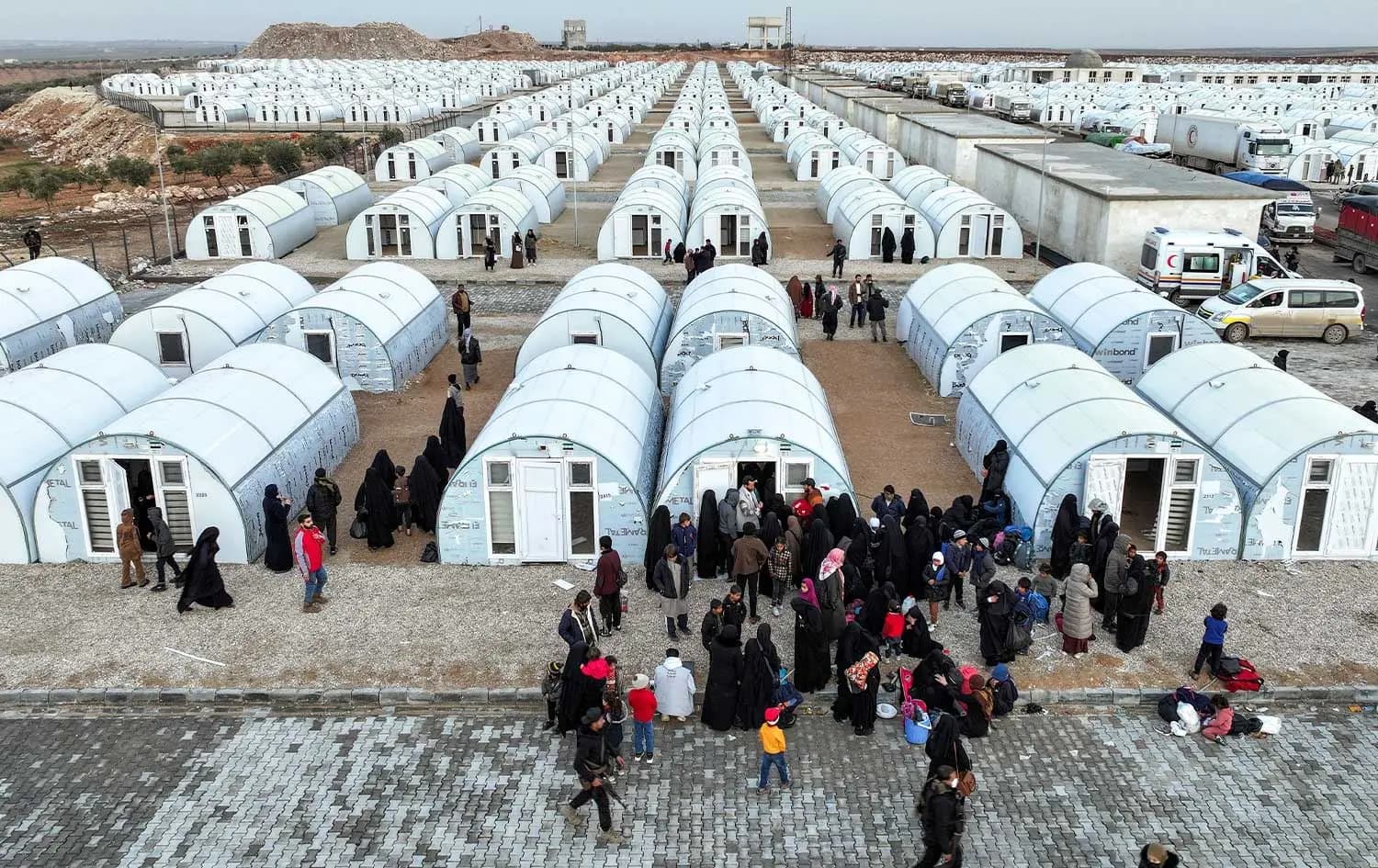
Thousands of Yazidis returned to Shingal in 2020, amid the COVID-19 pandemic which pushed many to leave squalid and unsanitary camps.