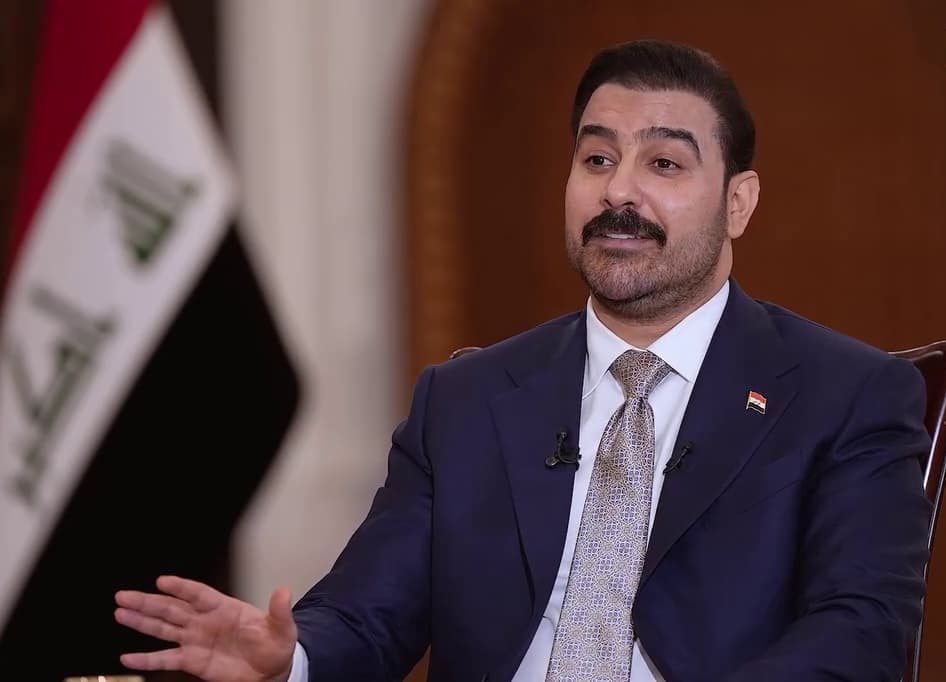
ERBIL, Kurdistan Region - A member of the Iraqi parliament on Friday ruled out passage of the long-delayed oil and gas law during the current parliamentary term, citing disputes between the Kurdistan Regional Government (KRG) and the federal government over natural resource management.
“The oil and gas law has been a long-standing demand since 2007,” Basim Naghmish al-Gharibawi, a member of the parliament’s oil and gas committee, told state media. “However, the legislative attempts to pass the law have failed due to political disputes and lack of agreement with the Kurdistan Region.”
The Oil and Gas Law, which would regulate development and management of the country’s oil fields, has been under discussion since 2007. Repeated attempts to pass it have failed.
When independently signing contracts with international oil companies, the KRG relied on a law enacted by its parliament and argued that the constitution allowed it. Baghdad, however, has insisted that it has an exclusive jurisdiction over the management of oil contracts and exports and demands all oil revenues be deposited in the federal treasury.
"The most prominent point of contention between Baghdad and Erbil concerns oil resources and the Kurdistan Region's compliance with rulings issued by the Federal Supreme Court and the international [arbitration] court [in Paris]," Gharibawi added, noting that "this law is considered one of the laws that complement the constitution."
In February 2022, the Federal Supreme Court ruled that the Kurdistan Region’s oil law was unconstitutional, declaring that all oil contracts signed by the KRG should be annulled and exports must be handed over to Baghdad. The KRG rejected the ruling and continued its independent oil operations until March 2023 when the exports through Turkey’s Ceyhan port were halted due a ruling from a Paris-based international arbitration court that favored Baghdad in a case against Turkey.
In 2023, two draft versions of the law were proposed - one by the federal government and one by the KRG - but negotiations have stalled over control mechanisms, revenue-sharing terms, and regional representation in federal decision-making bodies.
“Joint committees were formed to advance negotiations between both sides,” Gharibawi noted, adding that the committees have not been successful in reaching a political settlement, hence making the passage of the oil and gas law during this legislative term “unlikely.”