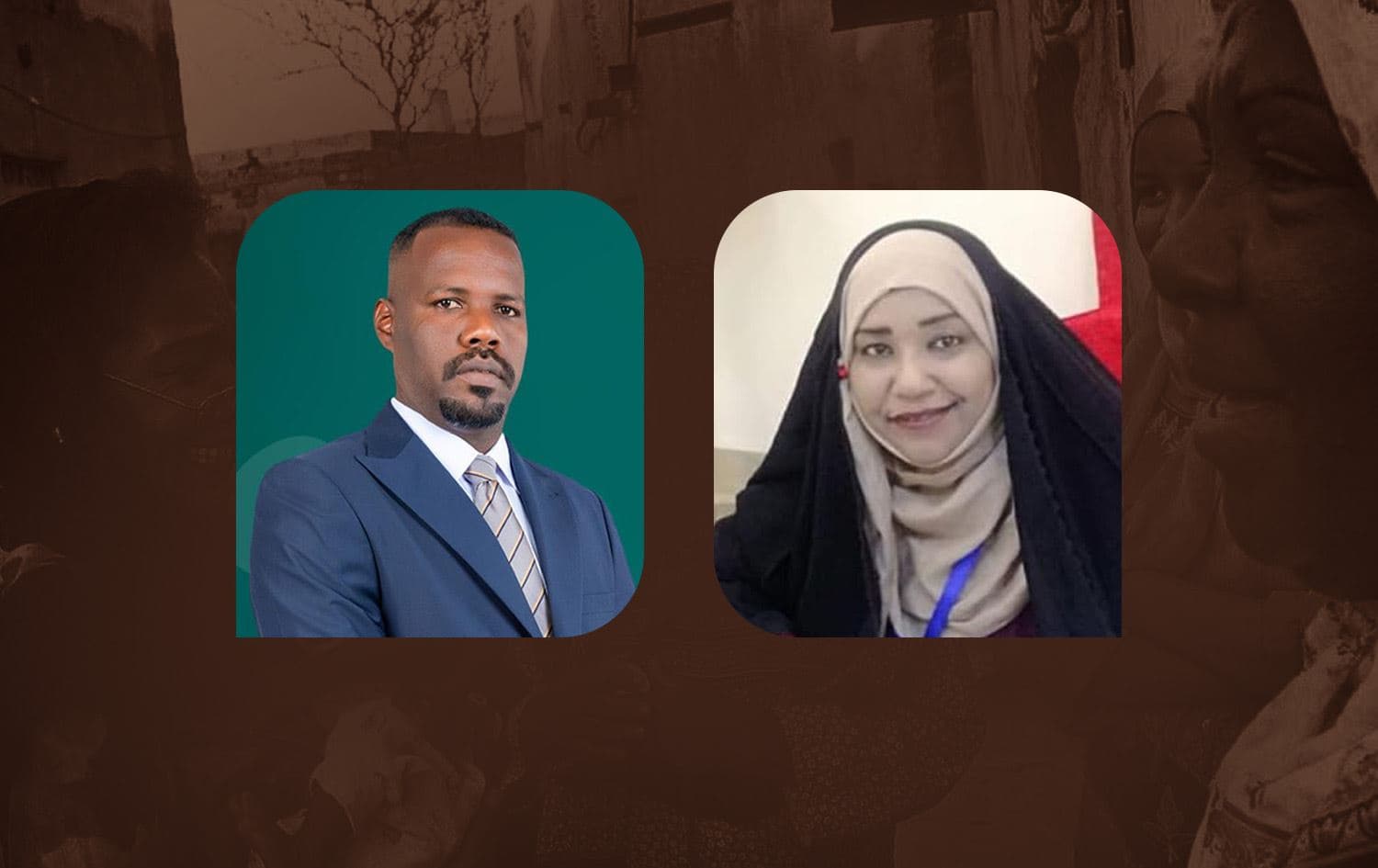

ERBIL, Kurdistan Region - Two Black candidates in Iraq’s parliamentary elections hope to end discrimination against their community that is looking for official recognition as a minority.
“We want to protect the rights of people with dark skin. Because of our cultural differences, which are closer to Gulf countries, we face discrimination,” Zainab Garmali, who is running on the State of Law list headed by Nouri al-Maliki, told Rudaw on Friday.
“We want our representation in higher offices,” Garmali added.
Black Iraqis are descended from East African slaves and migrants and their history in Iraq dates back to the ninth century. Unofficial estimates put the numbers at between 1.5 and 2 million people, most of them living in Basra. They hold no senior positions in the local government and have never had representation in the parliament.
Like Garmali, Majid Khalidi, a candidate on the Sadiqun list that is affiliated with the Asaib Ahl al-Haq movement, is also hoping to win a seat in parliament.
Removing one of his campaign posters in Basra that was torn, Khalidi said, “We don’t know why it was removed. Is it because my skin color is dark?”
The two are among 571 candidates competing for 25 parliamentary seats in Basra.
Black Iraqis are pinning their hopes for recognition on a draft minority rights bill currently before parliament. It has had one reading, but has not yet been passed. One of the items in the draft law refers specifically to Black Iraqis.
“We are waiting for parliament to approve this draft law so that the community can be recognized, and later we can request similar measures for other groups in the Iraqi parliament,” Salah Salman, director of the Ansar Hurria organization that specializes in protecting Black Iraqis, told Rudaw.