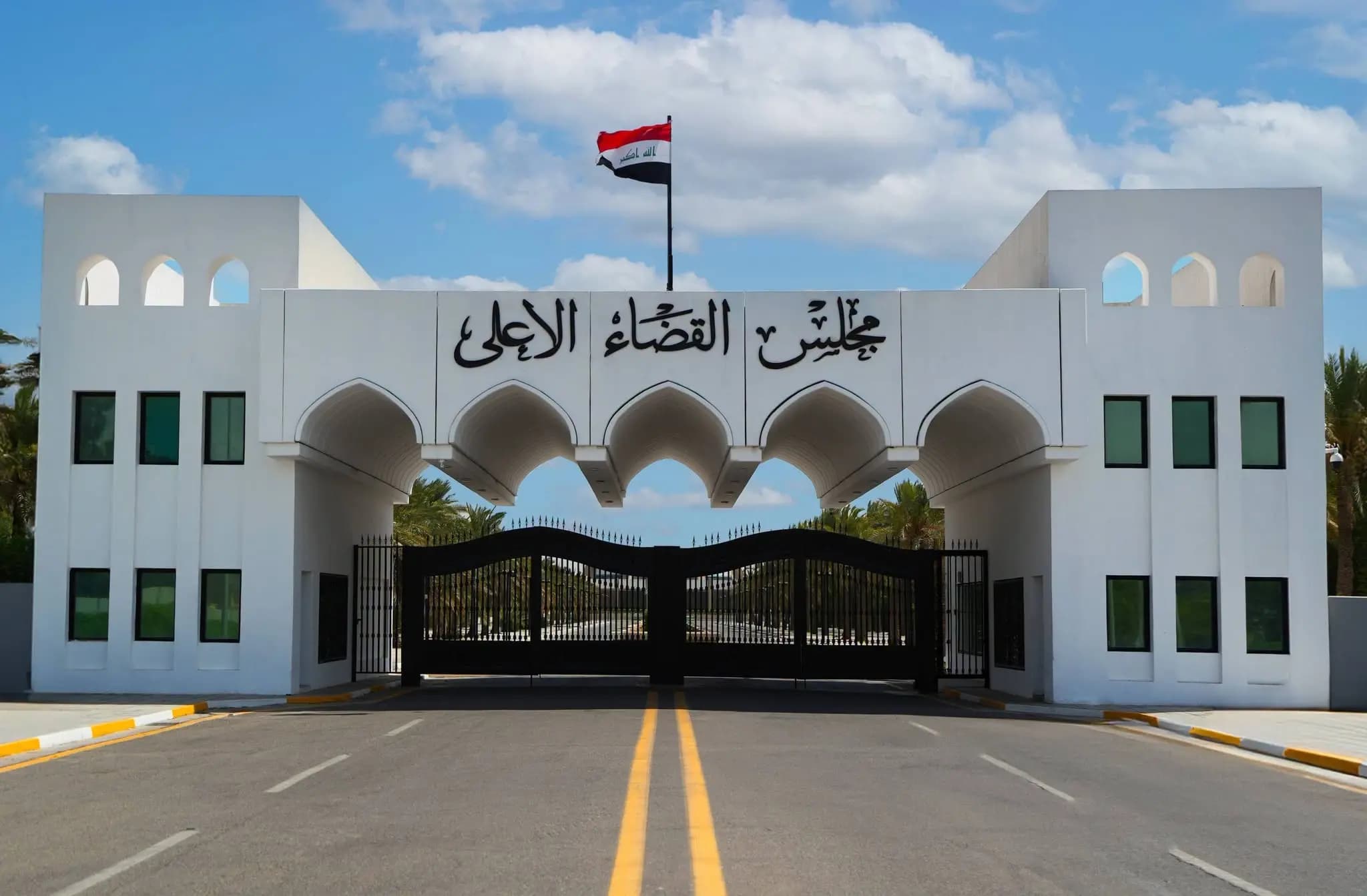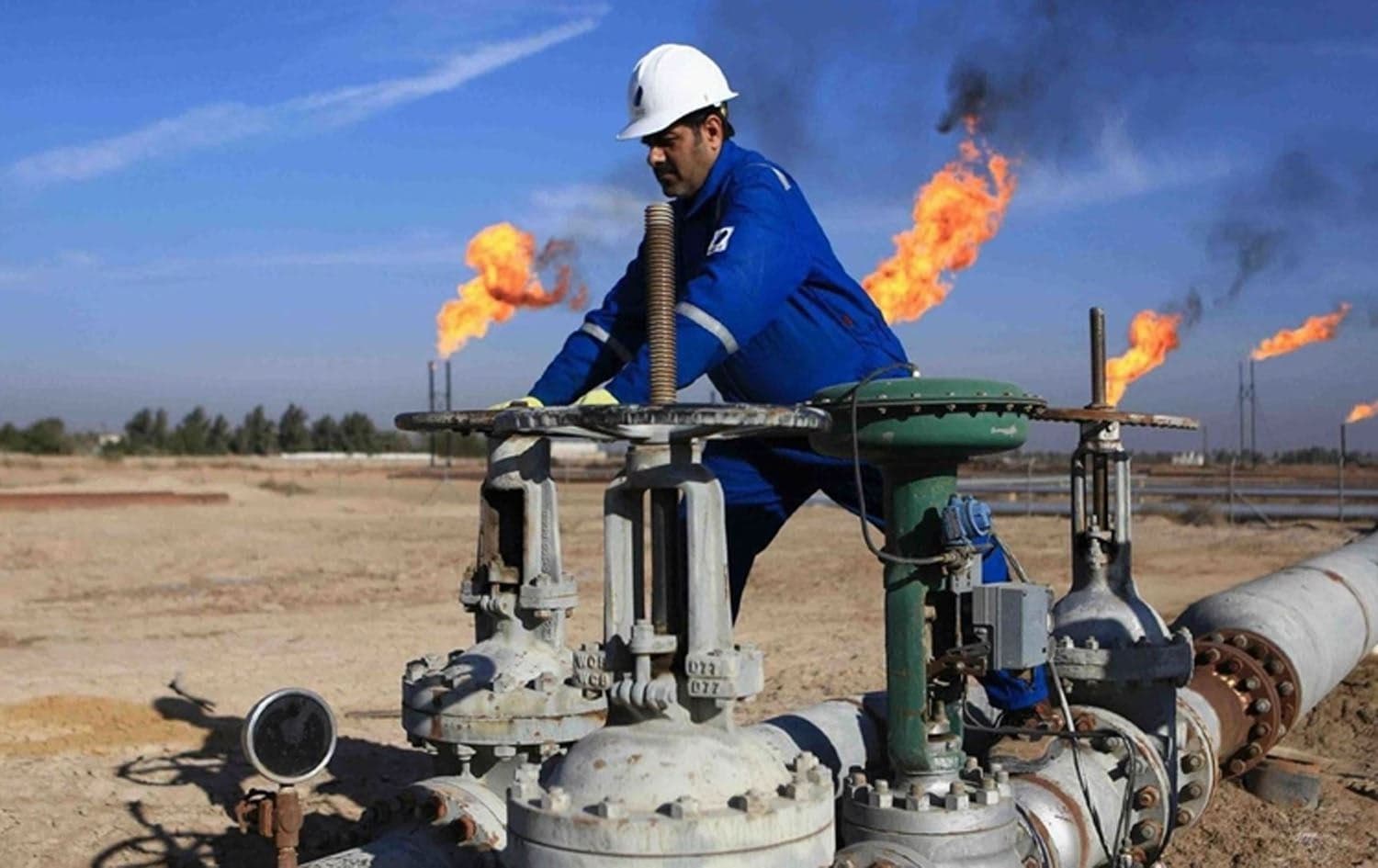

ERBIL, Kurdistan Region - The Kurdistan Regional Government (KRG) said Sunday Iraq’s federal oil ministry “distorts” facts about the issue of exporting oil through the Kurdistan Region’s pipeline to Turkey’s Ceyhan port, insisting that Baghdad is maintaining a “suffocating embargo” on the Region and has not moved to “confront” attacks on its energy infrastructure.
“The Ministry’s statement does not address the full dimensions of the issue. It distorts the facts and attempts to blame the Kurdistan Region in order to mislead public opinion,” the KRG’s natural resources ministry said in a statement.
This comes after the federal oil ministry said earlier in the day that it is prepared to export up to 300,000 barrels of oil per day through the Region’s pipeline to Turkey if Erbil allows Baghdad to use the route, in addition to the export of around 200,000 barrels produced in the Kurdistan Region.
Oil exports from the Kurdistan Region have been suspended due to ongoing drone and missile attacks on its energy infrastructure by Iraq’s pro-Iran armed groups, which say the strikes are in support of Tehran’s war with Washington and Tel Aviv. With Iraq’s oil exports largely halted since Iran effectively closed the strategic Strait of Hormuz, Baghdad is scrambling to find alternative routes to export its crude, which accounts for around 90 percent of the country’s revenues.
The federal oil ministry said the Kurdistan Region’s natural resources ministry has rejected the request “at this time” and “has set several conditions that are unrelated to the issue of crude oil exports,” adding that it had told Kurdish authorities such conditions could be discussed later “in parallel with the resumption of oil exports.”
In response, the KRG said Baghdad has since January “imposed a suffocating embargo under the pretext of implementing the ASYCUDA customs system” and “prevented dollars from reaching the Kurdistan Region’s traders, effectively halting commercial activity.”
Baghdad’s new ASYCUDA digital customs system - implemented across the country except in the Kurdistan Region on January 1 - prevents Kurdish traders from accessing official-rate US dollars unless they pay federal taxes in advance through a platform not yet fully integrated with the KRG’s system.
This has created what KRG sources describe as a “dollar embargo,” forcing the Region to rely on black-market currency that is more expensive than the central bank rate.
Under an established arrangement, the KRG collects customs duties, remits part of the revenue to Baghdad, and uses the remainder as a primary funding source for the regional government. The KRG has not rejected the ASYCUDA system, but does not want Baghdad to have full control over revenues from border crossings.
“Baghdad has also failed to allocate the necessary time and arrangements for the Kurdistan Region to implement the system, something we requested from the beginning of this crisis,” the KRG’s natural resources ministry said.
The KRG statement also said that “outlawed militias have made all of the Kurdistan Region’s oil, gas, and energy fields and facilities targets of their attacks,” leaving production “offline” and “leaving no oil available for export.”
Since the outbreak of the Iran war, Tehran and its proxies in Iraq have carried out drone, rocket, and missile attacks on US bases, civilian infrastructure, and energy facilities in the Kurdistan Region, resulting in casualties and injuries. Leaders in the Kurdistan Region have warned they will no longer tolerate the ongoing attacks and have called on Baghdad to take steps to stop them.
The KRG statement further charged that “Baghdad is not prepared to confront these terrorist attacks against the Kurdistan Region or to prevent them,” adding that “to date, no effective measures have been taken to stop these assaults.”
Kurdish officials have accused Baghdad of failing to control the groups behind the attacks, some of which are affiliated with the Popular Mobilization Forces (PMF), also known as Hashd al-Shaabi, which has been integrated into the Iraqi state.
The statement also said that “many of the perpetrators behind these attacks receive salaries and support from Baghdad, while the salaries of the people of the Kurdistan Region are consistently delayed and cut.”
For more than a decade, public sector employees in the Kurdistan Region have faced recurring salary delays, partial payments, and deductions due to financial disputes between Erbil and Baghdad.
The KRG added that the Kurdistan Region has expressed “its readiness to help Iraq and the Kurdistan Region overcome this crisis” and has “repeatedly called on Baghdad to begin a serious, constructive dialogue to resolve all of these issues,” but said its requests “have been ignored.”