ERBIL, Kurdistan Region - Iraq has loaded its first oil tanker for export via Syria’s Mediterranean port of Baniyas, Baghdad’s oil marketing authority announced, marking a significant step toward diversifying export routes amid ongoing tensions in the Strait of Hormuz, as well as in boosting trade ties with its western neighbour.
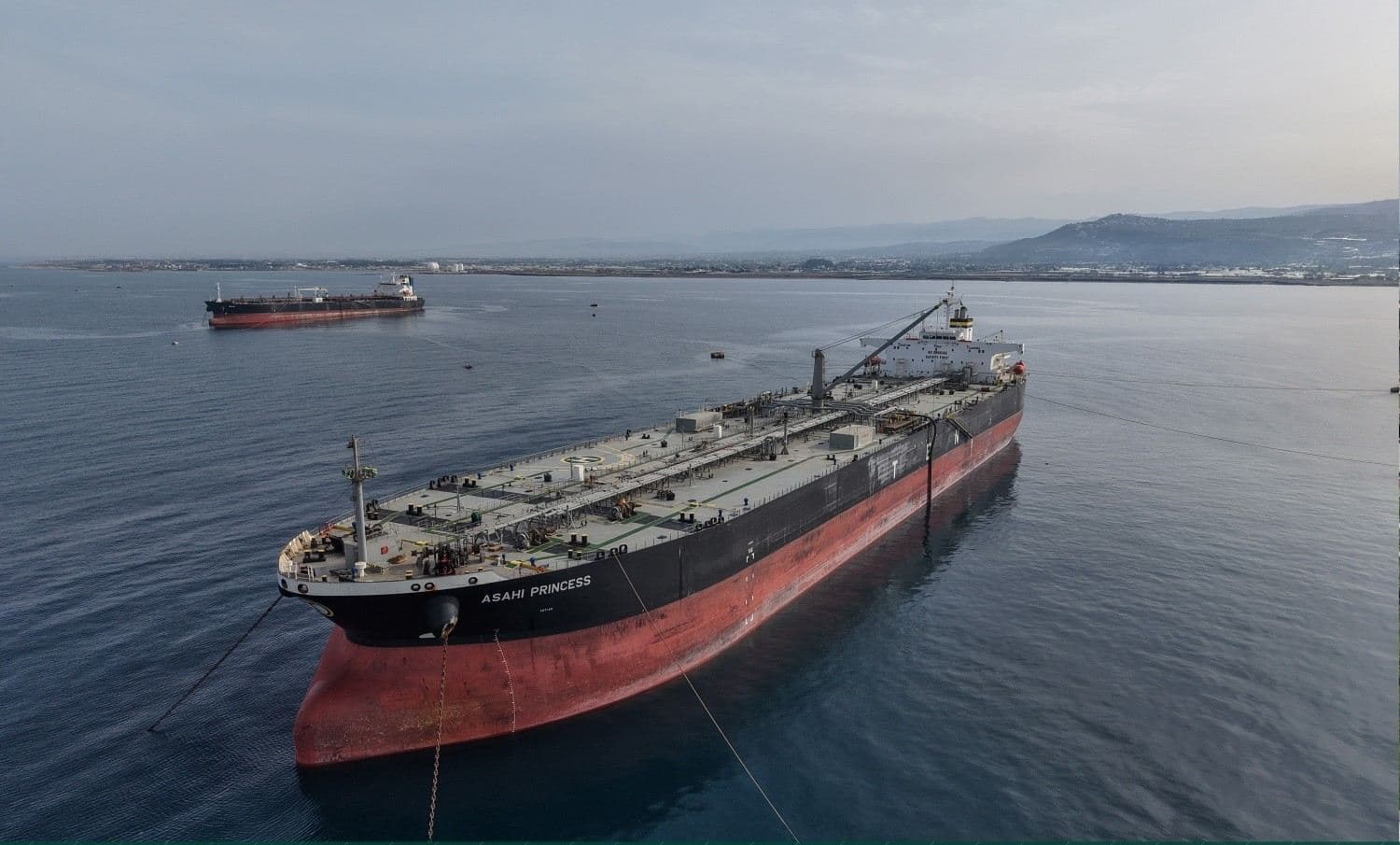
The state-run Iraqi News Agency (INA) cited Ali Nizar, Director General of Iraq's State Organization for Marketing of Oil (SOMO), as announcing that “the first tanker was loaded with Iraqi fuel oil” at the Baniyas refinery in Syria on Thursday, “onto a tanker in the Mediterranean Sea to make its way to European consumers and refineries in the region.”
Nizar added that the move marks a milestone “in opening a new marketing route that can be utilized in the future, as well as in the current crisis,” emphasizing that SOMO is exerting further efforts to “maximize and increase Iraqi exports amid all the logistical, technical, and security challenges.”
Late last month, Iraq officially began exporting oil via a key border crossing with Syria after it was inaugurated following an 11-year closure dating back to the onset of the Syrian civil war.
Rudaw learned on Monday that Baghdad is exporting between hundreds of oil tankers per day through Syria via the newly opened al-Waleed border crossing in the western Anbar province.
Emad Masha’al, district manager of Anbar’s al-Rutba, said “the exports are ongoing through the al-Waleed border crossing in Rutba” - known as al-Tanf on the Syrian side. He noted that “between 500 and 700 tankers, each with a capacity of 30 tons, are being dispatched daily.”
The reopening of al-Waleed was crucial in enabling Iraqi oil exports through Syria’s Mediterranean port of Baniyas, where shipments are stored.
Rutba District Manager Masha’al told Rudaw that the al-Waleed-al-Tanf crossing could handle more than 1,000 trucks per day in the near future, adding that “work is underway” on the Syrian side to boost capacity, including installing additional pumps at Baniyas port to speed up unloading and storage, which currently handles around 300 tankers per day.
Moreover, Iraq is set to reopen additional border crossings with Syria, including the Rabia border crossing in Nineveh province later this month, to establish an alternative trade route to Turkey, a customs official told Rudaw last week.
Iraq’s efforts to establish new export points come as traditional routes remain disrupted following the six-week war between Iran, Israel, and the United States that began in late February and saw a cessation of hostilities last week, as well as ongoing tensions in the Strait of Hormuz.
Consequently, Iraq’s oil sector has seen an over 80 percent decline in exports, with the oil ministry reporting that shipments in March fell to 18.6 million barrels, generating about $1.96 billion in revenue, compared to more than 99 million barrels and $6.81 billion the previous month.
Prior to the Iran war, Iraq exported around 3.4 million barrels per day. With southern routes still largely disrupted, the country is relying on the northern corridor through Turkey and now Syria to sustain its oil exports.