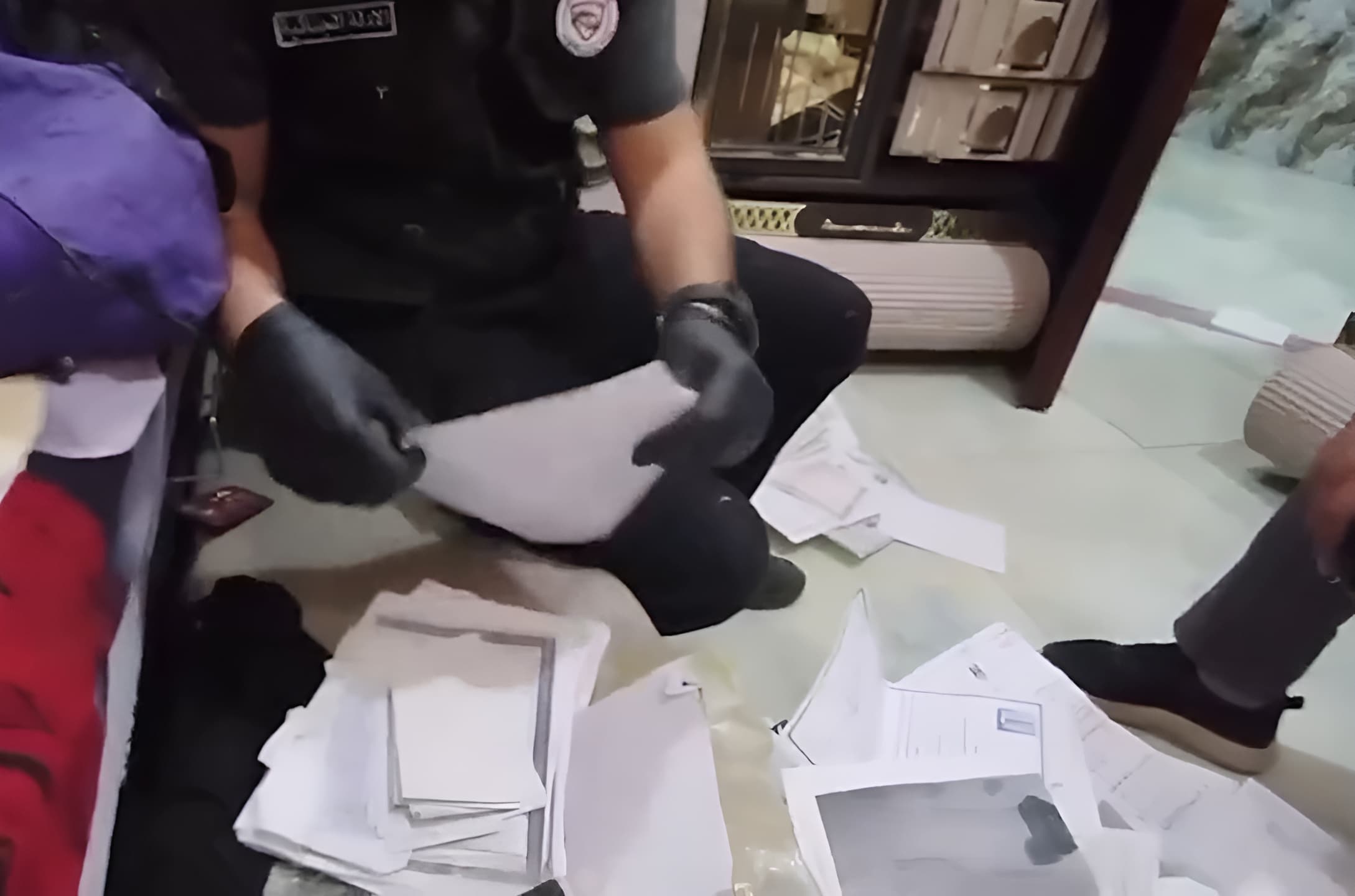
ERBIL, Kurdistan Region - In Baghdad’s densely populated Sadr City neighbourhood, many people say they will not cast a ballot in the upcoming parliamentary election, following a call from influential Shiite cleric Muqtada al-Sadr to boycott the vote in protest over government corruption. “No, we will not participate,” tuktuk driver Abu Khalid told Rudaw’s Nwenar Fatih who was in Sadr City as part of Rudaw’s special election coverage. Sadr announced his intention to boycott the 2025 legislative elections in March. In April, he rejected a formal invitation from Iraqi President Abdul Latif Rashid to reverse his decision. “I did not participate and will not participate with the corrupt, the insolent, and the enemies of the people,” Sadr said, noting that many people cast ballots in previous votes to elect “thieves of money that has not been recovered to this day.” Tuktuk driver Khalid said that the government has not worked for the people, blaming corruption for the lack of roads and basic services. He also alleged voter fraud. “There are voter cards bought for 100,000 to 150,000 [$70 to $100] dinars,” he said. Earlier this month, 46 people were arrested and charged with selling voter cards. Sadr is popular in Sadr City. In Iraq’s October 2021 elections, his bloc emerged as the largest, winning 73 out of 329 parliamentary seats. However, a year-long political stalemate with the Shiite-led Coordination Framework over government formation prompted Sadr to withdraw his lawmakers from parliament. His attempt to form a government with Kurdish and Sunni parties was blocked by the Framework, which insisted on maintaining Iraq’s post-2003 consensus model that balances power between the major groups. Sadr is not the only politician deciding not to run in this year’s election. Former Prime Minister Haider al-Abadi, in a recent interview with Rudaw, warned that the vote will be heavily influenced by the misuse of state resources and vote-buying, suggesting that financial power, rather than popularity, would determine outcomes. Many voters in Sadr City agree with the boycott. “Definitely boycotting because Sayyid [Sadr] said so. Sayyid decided to boycott because he knows this government is corrupt. They have not done anything for the public,“ said a middle-aged grocery vendor. “If Sadr says go vote tomorrow, we will all obey,” said a young resident of Sadr City. Sadr fueled speculation about a political comeback in early March when he hosted around 200 former Sadrist parliamentarians at his residence in Najaf. Shortly afterward, he urged supporters to prepare for the vote, warning that poor electoral choices could worsen corruption and poverty. In mid-February, Sadr called on his supporters to update their voter registration records. However, former Sadrist lawmaker Rafi Abduljabbar Azzawi told Rudaw at the time that this move did not necessarily signal a return to politics, but rather an effort to mobilize Iraqis for what Sadr described as a critical period. Parliamentary elections are scheduled to take place on November 11.