Iraq
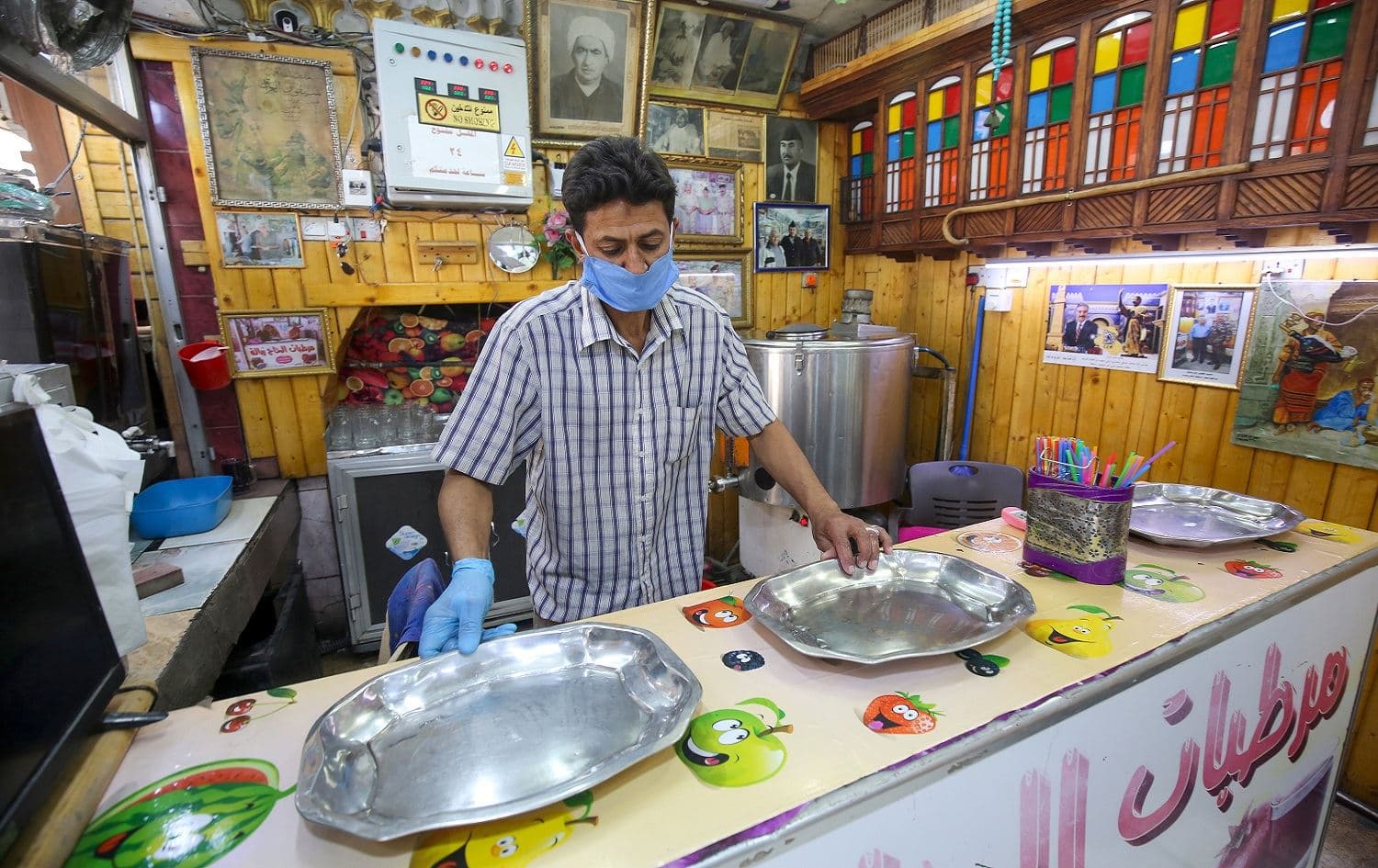
An Iraqi man, wearing protective equipment, prepares a juice order at his shop in the Iraqi capital Baghdad on April 17, 2020. Photo: Ahmad Al-Rubaye/ AFP
ERBIL, Kurdistan Region - A suspension of Reuters’ license to work in Iraq was lifted by governmental authorities on Sunday.
Reuters was informed of the decision by the Iraqi Communications and Media Commission (CMC), who told them that the suspension was to be lifted "to allow transparent and impartial work by the media ... in adherence to operating according to the regulations of media broadcasting rules" set out by the independent body, says the new agency.
"We appreciate the efforts made by the Iraqi authorities and the CMC to promptly resolve the matter," the agency said in a statement, adding that they are pleased the suspension has been lifted and will resume reporting in Iraq.
An order from the CMC temporarily revoked the credentials of Reuters earlier this month and fined the outlet more than $20,000 in retaliation for a report claiming COVID-19 cases have been drastically underreported.
The three-month ban came in response to a report, which cited anonymous officials and doctors estimating the real number of people infected with COVID-19 in Iraq stood at 3,000 to 9,000— much higher than official figures published by the Iraqi Health Ministry at the time.
The CMC accused the media outlet of using “vague sources and false and fake news on the ground” and called for an official apology to the Iraqi government.
Iraqi President Barham Saleh said that he was working with his legal team to revoke the suspension of Reuters’ license in an interview with CNN on Wednesday, calling the decision to stop the agency’s operations in the country “regrettable”.
"From my vantage point, you will not get me in a situation where I would defend [suspending Reuters]," said Saleh, saying that the CMC was "independent of the government."
Reuters News Agency is along the largest and most reputable news agencies in the world. It publishes a handbook of journalism which strictly outlines the circumstances in which sources who speak to journalists should be granted anonymity. Its policy states that journalists should disclose the identity of sources within the company, who may or may not choose to withhold the person's name to protect them from retaliation.
Like health officials, journalists have been working around the clock in Iraq and other countries to report on the crisis of the COVID-19 pandemic.
Media outlets have also been subject to restrictions following the widespread protests which began in October of last year. Various agencies reporting on the demonstrations, in which hundreds of protesters were killed, were subject to closure, intimidation and attack.
The CMC issued an order on November 21 to suspend the operating license of nine television channels and the warning of others for covering the protests in the streets.
Iraq has ranked 156th in countries world-wide for press freedom in 2019, according to findings released by Reporters Without Borders (RSF).
Reuters was informed of the decision by the Iraqi Communications and Media Commission (CMC), who told them that the suspension was to be lifted "to allow transparent and impartial work by the media ... in adherence to operating according to the regulations of media broadcasting rules" set out by the independent body, says the new agency.
"We appreciate the efforts made by the Iraqi authorities and the CMC to promptly resolve the matter," the agency said in a statement, adding that they are pleased the suspension has been lifted and will resume reporting in Iraq.
An order from the CMC temporarily revoked the credentials of Reuters earlier this month and fined the outlet more than $20,000 in retaliation for a report claiming COVID-19 cases have been drastically underreported.
The three-month ban came in response to a report, which cited anonymous officials and doctors estimating the real number of people infected with COVID-19 in Iraq stood at 3,000 to 9,000— much higher than official figures published by the Iraqi Health Ministry at the time.
The CMC accused the media outlet of using “vague sources and false and fake news on the ground” and called for an official apology to the Iraqi government.
Iraqi President Barham Saleh said that he was working with his legal team to revoke the suspension of Reuters’ license in an interview with CNN on Wednesday, calling the decision to stop the agency’s operations in the country “regrettable”.
"From my vantage point, you will not get me in a situation where I would defend [suspending Reuters]," said Saleh, saying that the CMC was "independent of the government."
Reuters News Agency is along the largest and most reputable news agencies in the world. It publishes a handbook of journalism which strictly outlines the circumstances in which sources who speak to journalists should be granted anonymity. Its policy states that journalists should disclose the identity of sources within the company, who may or may not choose to withhold the person's name to protect them from retaliation.
Like health officials, journalists have been working around the clock in Iraq and other countries to report on the crisis of the COVID-19 pandemic.
Media outlets have also been subject to restrictions following the widespread protests which began in October of last year. Various agencies reporting on the demonstrations, in which hundreds of protesters were killed, were subject to closure, intimidation and attack.
The CMC issued an order on November 21 to suspend the operating license of nine television channels and the warning of others for covering the protests in the streets.
Iraq has ranked 156th in countries world-wide for press freedom in 2019, according to findings released by Reporters Without Borders (RSF).
Comments
Rudaw moderates all comments submitted on our website. We welcome comments which are relevant to the article and encourage further discussion about the issues that matter to you. We also welcome constructive criticism about Rudaw.
To be approved for publication, however, your comments must meet our community guidelines.
We will not tolerate the following: profanity, threats, personal attacks, vulgarity, abuse (such as sexism, racism, homophobia or xenophobia), or commercial or personal promotion.
Comments that do not meet our guidelines will be rejected. Comments are not edited – they are either approved or rejected.
Post a comment