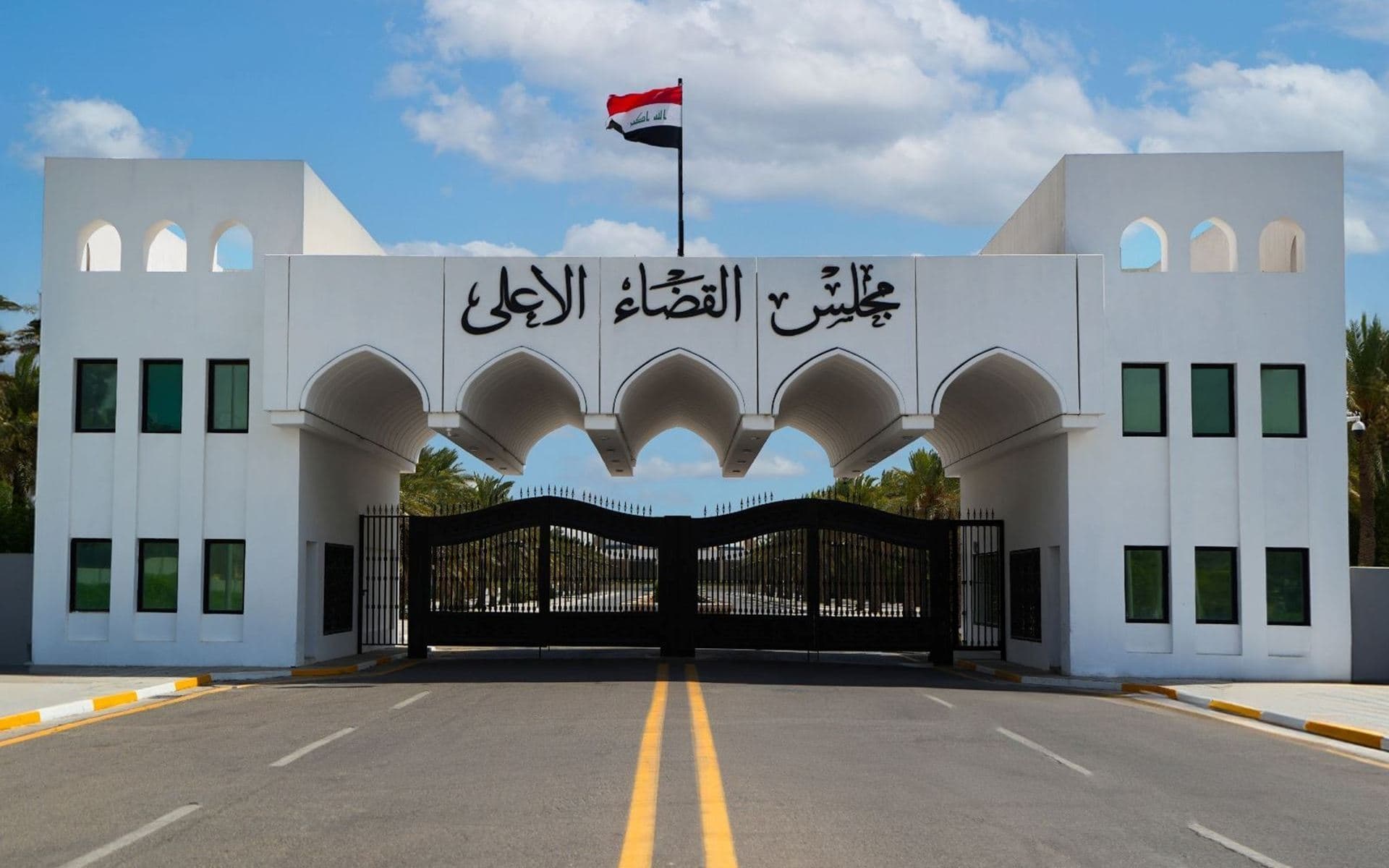
ERBIL, Kurdistan Region - Central Criminal Court of Iraq has sentenced a correctional guard to 10 years in prison for smuggling narcotic substances to inmates at Abu Ghraib Prison west of Baghdad in exchange for bribes, Iraq’s judiciary said on Sunday.
“The convict exploited his official position as a correctional guard to pass the drugs to prisoners. The ruling was issued under the provisions of Resolution 160, Paragraph Two/1 of 1983, as amended,” said the Supreme Judicial Council in a statement.
Iraqi authorities have in recent years intensified efforts to combat narcotics trafficking and corruption inside state institutions, amid growing concern over the spread of drugs across the country.
The Iraqi National Security Service (INSS) announced last Monday the arrest of seven suspected drug traffickers during two separate operations in the capital Baghdad and Iraq’s southernmost Basra province, uncovering a newly developed smuggling method that utilizes standard printer paper.
Of note, in late November, Baghdad’s interior ministry said authorities dismantled more than 1,200 drug trafficking and promotion networks over the past three years, including 171 international groups.
“The convict exploited his official position as a correctional guard to pass the drugs to prisoners. The ruling was issued under the provisions of Resolution 160, Paragraph Two/1 of 1983, as amended,” said the Supreme Judicial Council in a statement.
Iraqi authorities have in recent years intensified efforts to combat narcotics trafficking and corruption inside state institutions, amid growing concern over the spread of drugs across the country.
The Iraqi National Security Service (INSS) announced last Monday the arrest of seven suspected drug traffickers during two separate operations in the capital Baghdad and Iraq’s southernmost Basra province, uncovering a newly developed smuggling method that utilizes standard printer paper.
Of note, in late November, Baghdad’s interior ministry said authorities dismantled more than 1,200 drug trafficking and promotion networks over the past three years, including 171 international groups.

Comments
Rudaw moderates all comments submitted on our website. We welcome comments which are relevant to the article and encourage further discussion about the issues that matter to you. We also welcome constructive criticism about Rudaw.
To be approved for publication, however, your comments must meet our community guidelines.
We will not tolerate the following: profanity, threats, personal attacks, vulgarity, abuse (such as sexism, racism, homophobia or xenophobia), or commercial or personal promotion.
Comments that do not meet our guidelines will be rejected. Comments are not edited – they are either approved or rejected.
Post a comment