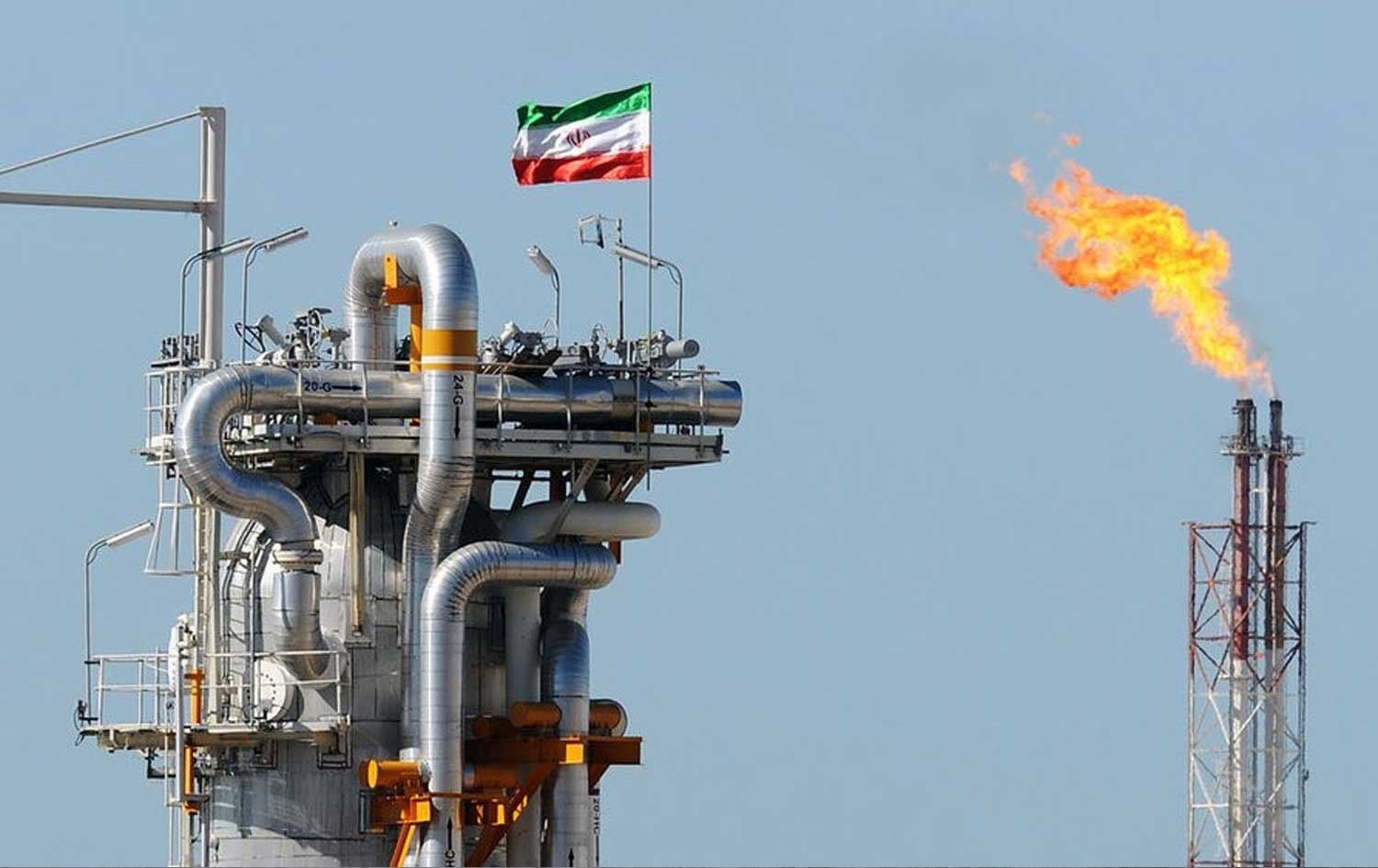
ERBIL, Kurdistan Region - Iraq has decided to send a delegation to neighboring Iran in the near future to discuss a possible resumption of gas imports to fuel its power generation plants, as the country grapples with significant electricity shortages ahead of the summer season.
A special committee has been formed "to visit the Islamic Republic of Iran soon to discuss the issue of securing gas supplies from that country for Iraq,” Ahmed Musa, spokesperson for the Iraqi Ministry of Electricity, told Rudaw on Thursday.
Gas exports from Iran to Iraq have been suspended since January 24, cutting off one of the primary sources of fuel for Iraq’s electricity production. The halt has dealt a heavy blow to the national grid, reducing generation capacity at a time when demand is expected to surge.
Iraq has long struggled with chronic electricity shortages, particularly during the summer and winter months when consumption peaks. Despite producing between 20,000 and 25,000 megawatts under normal conditions, the country requires nearly 54,000 megawatts to ensure round-the-clock supply nationwide, according to the electricity ministry.
The energy dispute comes amid shifting regional and international dynamics. In March last year, the United States rescinded a sanctions waiver that had allowed Iraq to purchase electricity from Iran, a move tied to President Donald Trump’s maximum pressure campaign against Tehran.
Following the waiver’s expiry, Iraqi Prime Minister Mohammed Shia’ al-Sudani encouraged energy officials to explore alternative solutions. These include increasing domestic natural gas utilization and importing electricity from neighboring countries such as Jordan, Turkey, and Turkmenistan.
Musa said the planned visit is "part of the preparations for the summer season" to avoid a severe electricity crisis during the hot months.
"It addresses Iraq's need for the volume of gas that can be provided to maintain stable electricity production during peak summer demand and to ensure the stability of the power grid during the summer heat," he stated.
According to the ministry, the suspension of Iranian gas supplies has resulted in the loss of more than 5,500 megawatts of electricity. Iraq’s current electricity production stands at approximately 17,000 megawatts, while demand during the hot season exceeds 30,000 megawatts.
"The suspension of gas exports by Iran to Iraq has had a direct impact on the power stations that provide electricity to Baghdad, the central regions, and the south..." Musa added.
At the same time, Iraq is accelerating efforts to diversify its energy mix. In late March, the electricity ministry announced it is close to signing agreements with Emirati- and Saudi-based companies to develop solar power projects, signaling a push toward renewable energy to reduce dependence on imported fuel.
With summer temperatures in Iraq often soaring above 50 degrees Celsius, securing stable gas supplies remains critical to preventing widespread outages and maintaining stability across the country’s power grid.