ERBIL, Kurdistan Region - Iraq’s western Rabia border crossing with Syria is set to officially reopen on Monday after a 12-year closure, with officials confirming it will operate round the clock and serve as a key route for trade, including oil shipments, between the two countries.
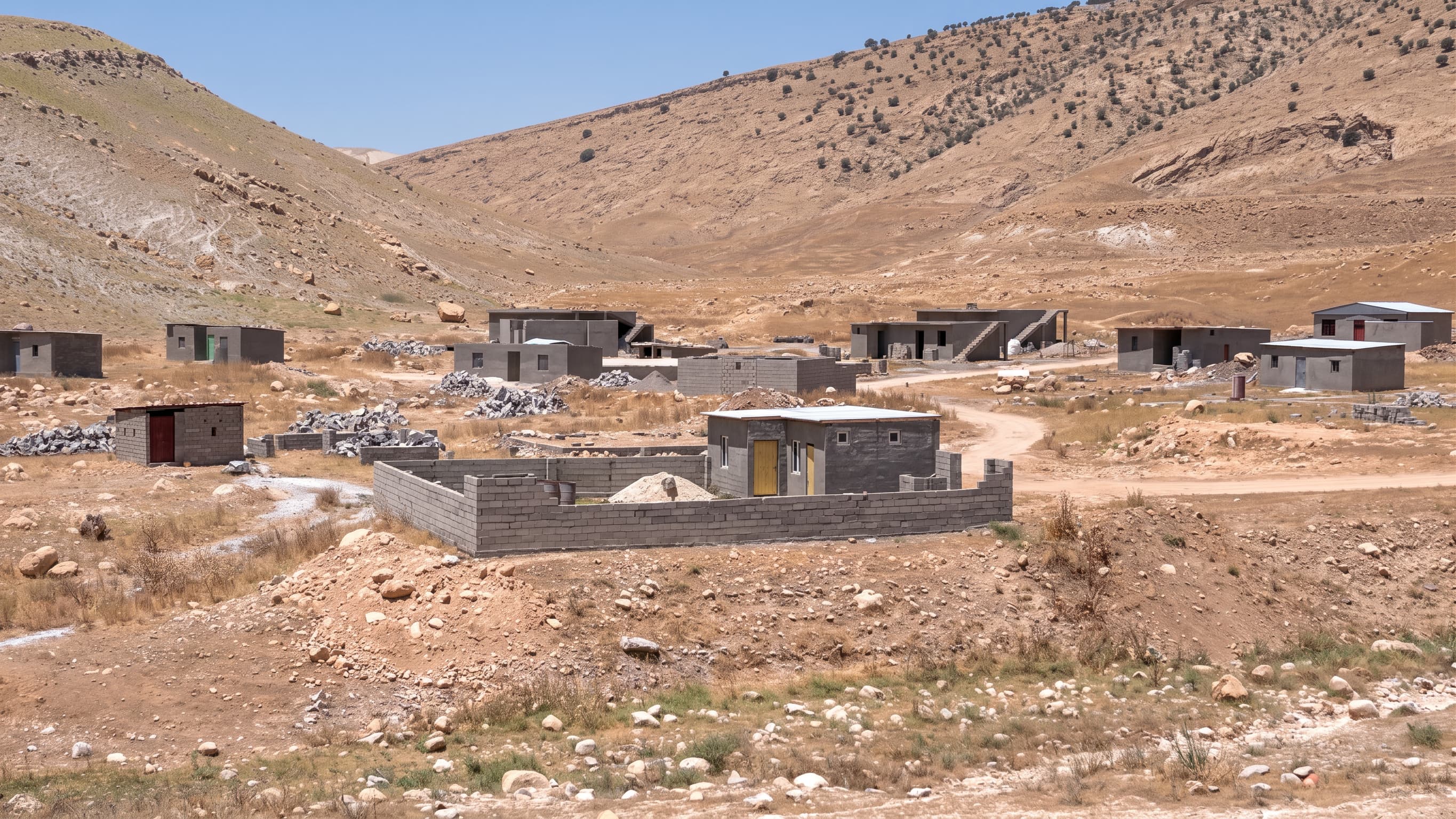
Located about 120 kilometers west of Mosul in Nineveh province, the Rabia crossing is resuming operations following extensive renovations and technical upgrades aimed at restoring cross-border commerce disrupted since 2014, when militants from the Islamic State (ISIS) seized large parts of Iraq and Syria.
Samer Qasim Dawood, head of Iraq’s General Customs Authority, told Rudaw that the facility is fully prepared to begin operations, having been equipped with the necessary infrastructure and modern systems.
“Through this crossing, the exchange of commercial goods will take place, in addition to oil and petroleum products,” Dawood said, adding that the crossing will operate 24 hours a day and is fully ready in terms of infrastructure, logistics, and automation.
The reopening comes amid ongoing disruptions to Iraq’s export infrastructure. Shipments through Basra ports were halted on February 28 following a large-scale US and Israeli military campaign against Iran and the closure of the Strait of Hormuz.
Since then, Baghdad has been seeking alternative export routes for its crude oil, which accounts for roughly 90 percent of the country’s revenue.
On the Syrian side, the crossing, known as Til Kocher, was previously controlled by the Kurdish-led Syrian Democratic Forces (SDF) before coming under the control of the Syrian Arab Army earlier this year.
Efforts to reopen Rabia have accelerated in recent months as part of broader initiatives to restore trade links between Iraq and Syria. Iraqi authorities had already launched technical and engineering work following directives to rehabilitate the crossing and revive its economic role.
Officials say the reopening is intended not only to facilitate the movement of goods and travelers but also to strengthen economic ties between Baghdad and Damascus after years of disruption.
The return of the Rabia crossing is expected to boost trade activity in Nineveh province, complementing Iraq’s existing crossings with Syria at al-Qaim and al-Waleed in Anbar province.
Hastyar Qadir contributed to this report from Erbil, Kurdistan Region.