
ERBIL, Kurdistan Region - The Iraqi electricity ministry on Saturday said the Kurdistan Region's 24-hour electricity program was a "successful" endeavour that it may try to duplicate.
"The Kurdistan Region's 24-hour Runaki project is a pioneer and great example. As the electricity ministry, we follow up on every successful project to be acquainted with it," said Ahmed Musa, spokesperson for Iraq’s electricity ministry. "For this purpose, we have visited Kurdistan. We hope we will be able to implement this project in Iraq as a whole as well."
Runaki - meaning “light” in Kurdish - is a Kurdistan Regional Government (KRG) initiative to provide uninterrupted electricity as part of its efforts to reform and stabilize the energy sector. Nearly four million residents of the Kurdistan Region, which according to the KRG's electricity ministry makes up more than 50 percent of the population, now have access to the 24-hour program.
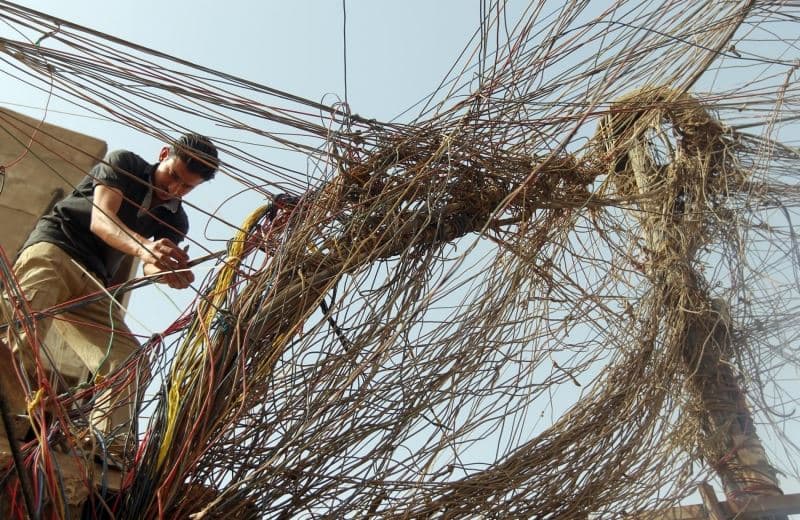
For years, Iraq has been grappling with electricity shortages, leaving people to rely on private diesel-powered generators that are costly and polluting, when the national grid cuts out for hours every day.
Musa said that due to the Runaki project, the KRG has reduced the amount of electricity it supplies to federal Iraq, leaving Baghdad scrambling.
"In the past, we used to receive 1,800 to 1,900 megawatts of electricity from the Kurdistan Region. But it has been reduced to 1,100 megawatts due to the Runaki project, since they use it to cover their own domestic demands," he said.
Iraq currently generates up to 25,500 megawatts of electricity, according to Musa, who said they need to produce nearly 54,000 megawatts to provide 24-hour power.
Baghdad is working to diversify its energy sources after Washington in March rescinded a waiver that had allowed it to purchase electricity from neighboring Iran, which it had depended on for years. Alternatives it is exploring include utilizing its own natural gas and importing electricity from Jordan, Turkey, and Turkmenistan.
Iraq is also exploring renewable options like solar.
.jpeg&w=3840&q=75)