Iraq
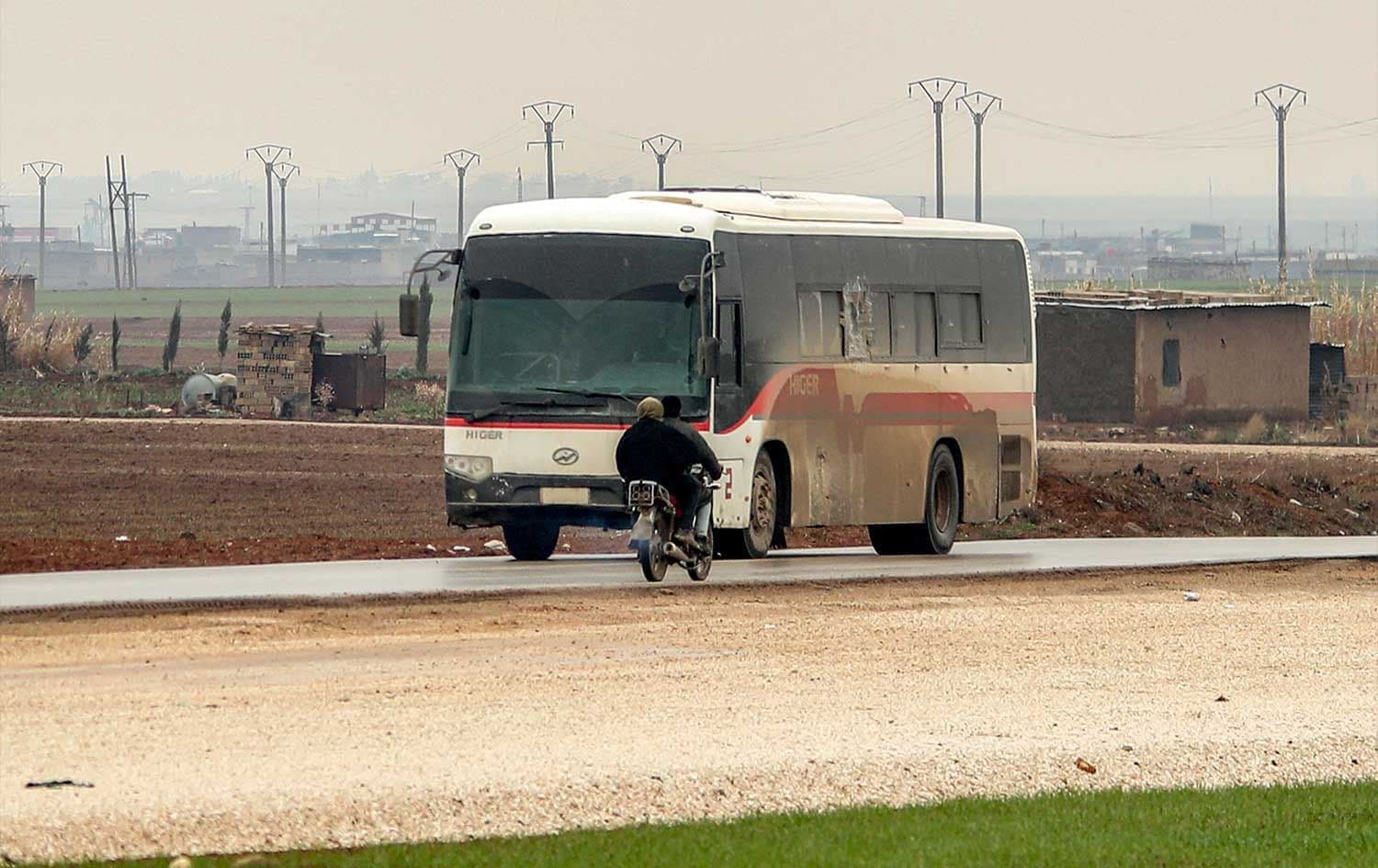
A bus in a US military convoy transporting ISIS detainees from Syria to Iraq travels through Syria's northeastern Hasaka province on February 7, 2026. Photo: AFP
ERBIL, Kurdistan Region — Iraq’s National Security Advisory said on Sunday that Islamic State (ISIS) detainees transferred from Syria will not remain in the country permanently, stressing that Baghdad is working to return them to their home countries.
“The presence of ISIS prisoners in Iraq is not permanent, and the government is working to return them to their countries,” Saeed al-Jiyashi, Strategic Affairs Advisor at the National Security Advisory, told the state-run Iraqi News Agency (INA). He added that those transferred belong to more than 67 countries.
Jiyashi said the relocation of detainees from Syria was carried out as a matter of national security, citing “exceptional circumstances” in Syrian prisons where security conditions had deteriorated. According to him, some facilities experienced security disruptions and prisoner escapes, prompting Iraqi authorities to transfer the detainees in officially announced numbers to high-security prisons inside Iraq.
Attacks by the Syrian army and allied armed groups on the Kurdish-led Syrian Democratic Forces (SDF) in January triggered ISIS prison breaks, prompting the transfer of 5,700 prisoners to Iraq under the US military supervision.
The Iraqi official stressed that the operation was completed without error and under strict oversight. “Iraq took all necessary security measures with the participation of all security agencies, as well as oversight from the Supreme Judicial Council,” he said.
The advisor noted that Iraq had warned for years that instability in Syrian detention facilities posed a threat to Iraqi security. Housing the detainees inside Iraq under the control of Iraqi security forces and the judiciary, he said, was preferable to leaving them in what he described as an “open and unstable environment” that could lead to future clashes.
Iraq has long expressed concern over the security of detention centers in northeast Syria holding thousands of suspected members of ISIS especially amid periods of instability and clashes in the region.
Baghdad continues to call on foreign governments to repatriate their nationals detained over ISIS links, warning that prolonged uncertainty over their fate remains a regional security challenge.
“The presence of ISIS prisoners in Iraq is not permanent, and the government is working to return them to their countries,” Saeed al-Jiyashi, Strategic Affairs Advisor at the National Security Advisory, told the state-run Iraqi News Agency (INA). He added that those transferred belong to more than 67 countries.
Jiyashi said the relocation of detainees from Syria was carried out as a matter of national security, citing “exceptional circumstances” in Syrian prisons where security conditions had deteriorated. According to him, some facilities experienced security disruptions and prisoner escapes, prompting Iraqi authorities to transfer the detainees in officially announced numbers to high-security prisons inside Iraq.
Attacks by the Syrian army and allied armed groups on the Kurdish-led Syrian Democratic Forces (SDF) in January triggered ISIS prison breaks, prompting the transfer of 5,700 prisoners to Iraq under the US military supervision.
The Iraqi official stressed that the operation was completed without error and under strict oversight. “Iraq took all necessary security measures with the participation of all security agencies, as well as oversight from the Supreme Judicial Council,” he said.
The advisor noted that Iraq had warned for years that instability in Syrian detention facilities posed a threat to Iraqi security. Housing the detainees inside Iraq under the control of Iraqi security forces and the judiciary, he said, was preferable to leaving them in what he described as an “open and unstable environment” that could lead to future clashes.
Iraq has long expressed concern over the security of detention centers in northeast Syria holding thousands of suspected members of ISIS especially amid periods of instability and clashes in the region.
Baghdad continues to call on foreign governments to repatriate their nationals detained over ISIS links, warning that prolonged uncertainty over their fate remains a regional security challenge.

Comments
Rudaw moderates all comments submitted on our website. We welcome comments which are relevant to the article and encourage further discussion about the issues that matter to you. We also welcome constructive criticism about Rudaw.
To be approved for publication, however, your comments must meet our community guidelines.
We will not tolerate the following: profanity, threats, personal attacks, vulgarity, abuse (such as sexism, racism, homophobia or xenophobia), or commercial or personal promotion.
Comments that do not meet our guidelines will be rejected. Comments are not edited – they are either approved or rejected.
Post a comment