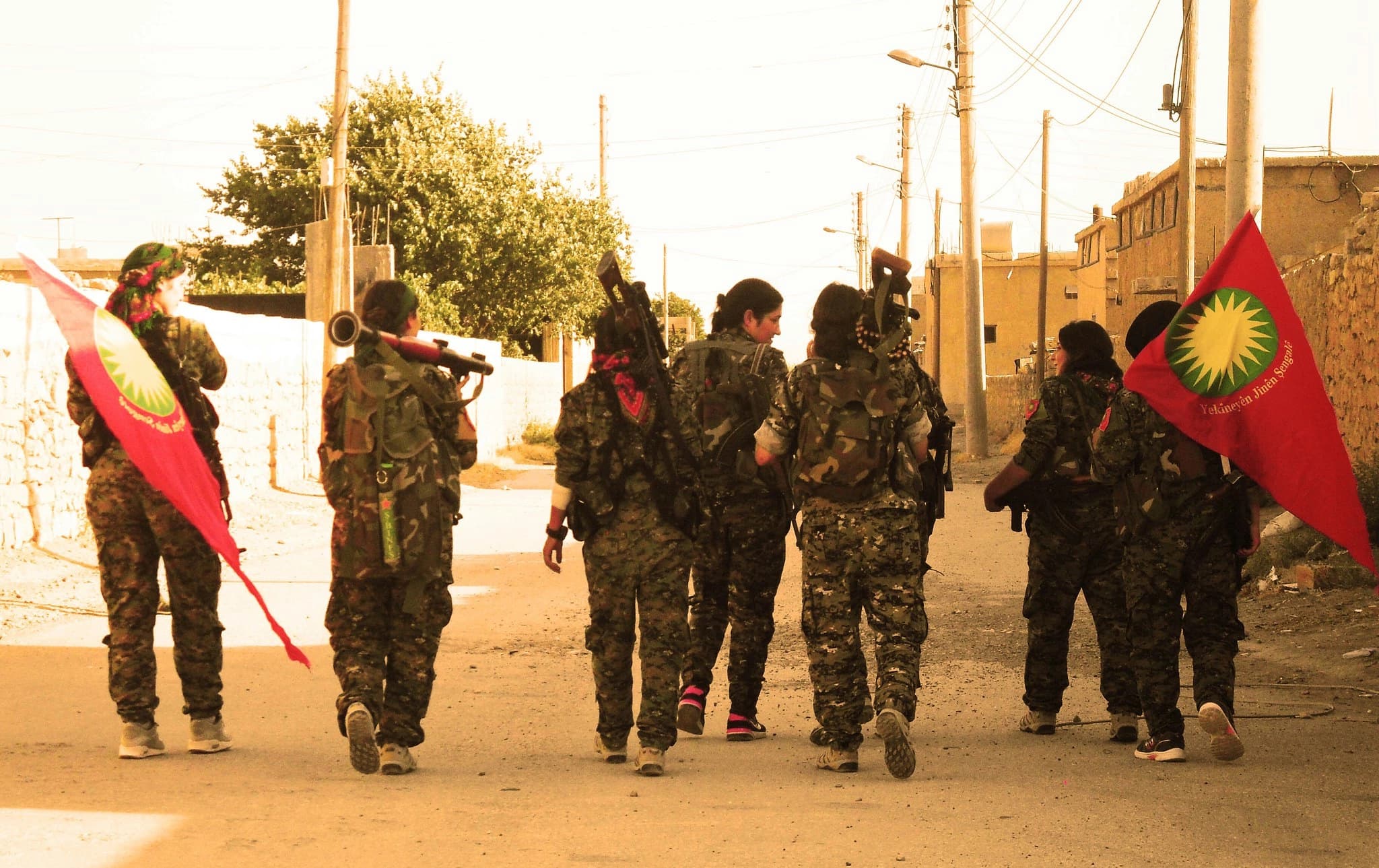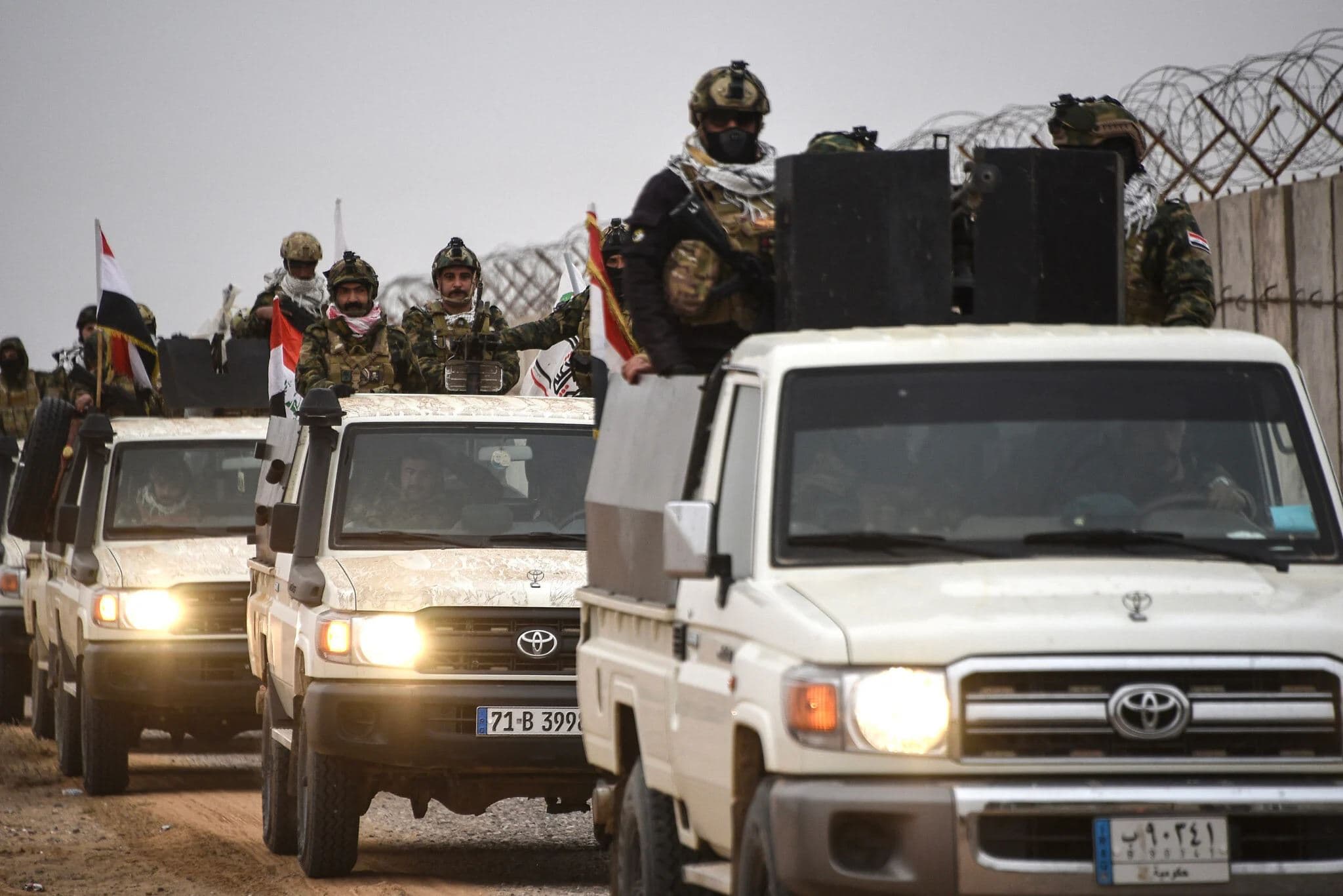

ERBIL, Kurdistan Region - An Iraqi military official said on Saturday that Baghdad would halt the transfer of Islamic State (ISIS) detainees from Syria if security conditions stabilize and the Kurdish-led Syrian Democratic Forces (SDF) regain control of territories they previously held in northeastern Syria.
“We are receiving them in different batches, and the process is contingent upon the situation in Syria. If it normalizes and the SDF reclaims the areas, then we will stop receiving them,” Lieutenant General Qais al-Mohammadawi, deputy commander of Iraq’s Joint Operations Command (JOC), told Rudaw.
Mohammadawi added that coordination is underway to transfer additional groups of former ISIS militants “in the next few days.”
On Wednesday, the US Central Command (CENTCOM) announced the transfer of 150 ISIS detainees from a detention facility in Hasaka to a secure location in Iraq, noting that up to 7,000 ISIS prisoners could eventually be moved to Iraq.
Of the initial group of 150 detainees, only 19 were Iraqi nationals, according to the Iraqi military official.
Brigadier General Miqdad Miri, media and communications officer at Iraq’s Interior Ministry, said that of the estimated 7,000 ISIS detainees, between 1,500 and 2,000 are Iraqis, while the remainder are foreign nationals.
Miri said the prisoners would be distributed among various prisons across the country, excluding the Kurdistan Region.
Regarding the transfer process, US Secretary of State Marco Rubio has said that non-Iraqi militants would be held temporarily in Iraqi detention facilities.
The transfers come amid mounting instability in northeastern Syria.
Hundreds of ISIS prisoners escaped SDF-run detention facilities this week after the group said the prisons came under attack by armed factions affiliated with Damascus. Kurdish forces also withdrew from al-Hol camp, southeast of Hasaka, which houses around 25,000 family members of ISIS fighters.
The camp is located approximately 10 kilometers from the Iraqi border, raising concerns that ISIS-linked individuals could attempt to cross into Iraq, Sheikhmous Ahmed, head of the camps department for internally displaced people and refugees in Rojava, told Rudaw on Tuesday.
On Friday, Iraqi Prime Minister Mohammed Shia’ al-Sudani and French President Emmanuel Macron discussed the transfer of ISIS detainees from northeastern Syria to Iraqi prisons, stressing the international community’s responsibility to prosecute foreign nationals linked to the extremist group.
In a phone call, the two leaders “reviewed the latest developments in Syria, as well as the temporary transfer of a number of foreign nationals affiliated with the ISIS terrorist organization, who are detained in prisons run by the Syrian Democratic Forces (SDF), to Iraqi prisons,” according to a statement from Sudani’s office.
Kurdish authorities in northeastern Syria have repeatedly called on the international community to repatriate refugees and prosecute their citizens for terror-related crimes. In June, Iraq and the United Nations reached an agreement to repatriate all Iraqi nationals from al-Hol camp by 2027.
Amid escalating tensions in northeastern Syria, Iraq has also reinforced its border security this week.
Earlier on Friday, Syria’s Arab Army announced it had transferred SDF members from al-Aqtan prison and surrounding areas in Raqqa province to the Kurdish-held town of Kobane as part of a ceasefire agreement.
The move marks the first step in implementing a January 18 agreement between Syrian President Ahmed al-Sharaa and SDF Commander Mazloum Abdi, which transfers control of detention facilities to Syria’s Interior Ministry.
.webp&w=3840&q=75)