
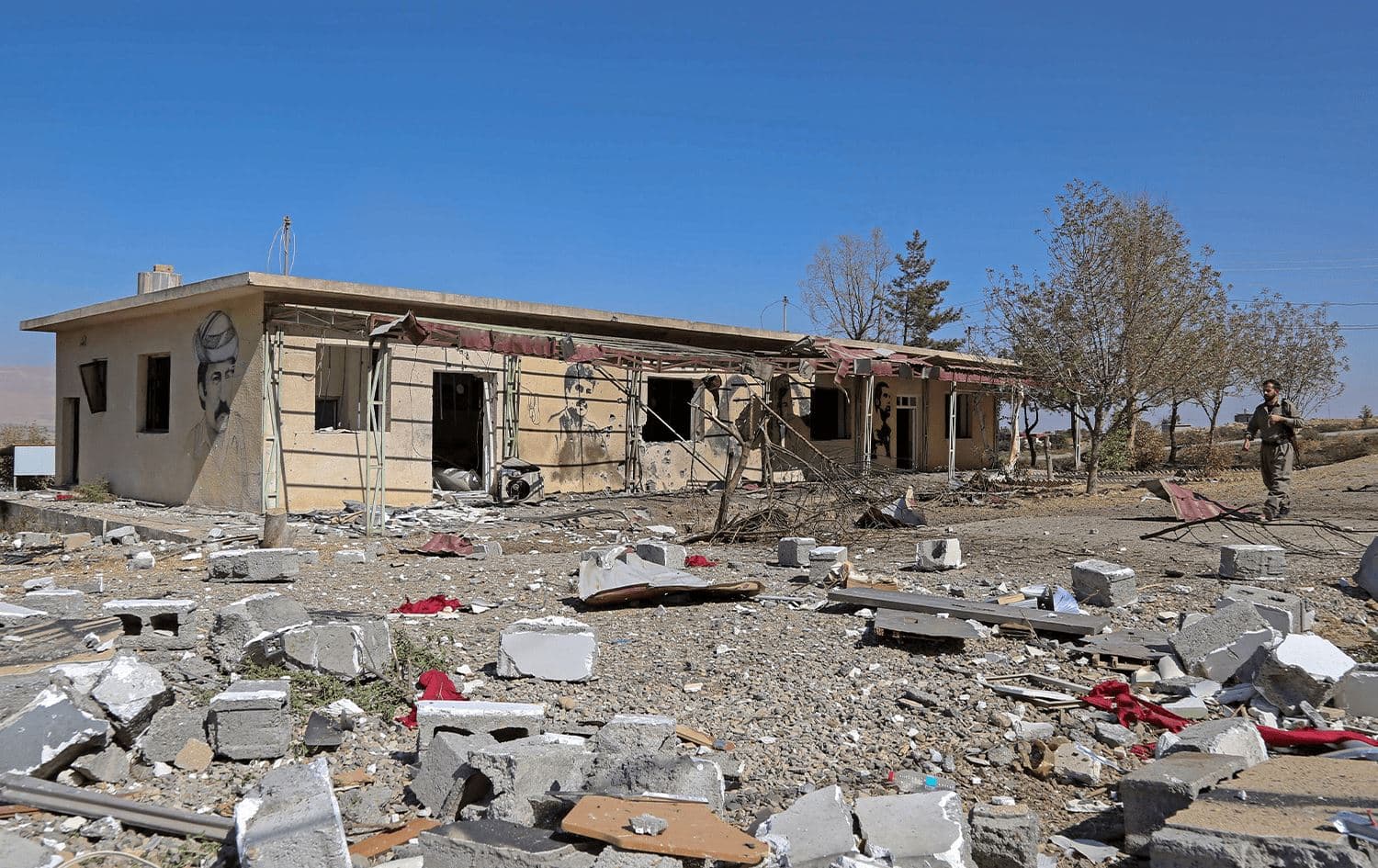

ERBIL, Kurdistan Region - The Iranian ambassador to Iraq was summoned by the country’s Ministry of Foreign Affairs on Thursday after Iran’s missile and drone attacks a day earlier on Iranian- Kurdish opposition parties based in the Kurdistan Region killed at least 13.
“The Iranian ambassador in Baghdad was summoned and handed a strongly-worded protest note due to the continuous bombing operations on areas in the Kurdistan Region” spokesperson for Iraq’s foreign ministry, Ahmed al-Sahaf told state media.
The Kurdish health ministry announced the death of 13 civilians and over 50 injured following drone and missile attacks on Wednesday.
Iraq previously summoned the Iranian ambassador in March after Iran’s Revolutionary Guard Corps (IRGC) launched around 12 ballistic missiles targeting Erbil in March.
On Wednesday, US State Department Spokesperson Ned Price told Rudaw’s Roj Eli Zalla that the Iranian attacks are “another instance of Iran’s flagrance disregard for not only the lives of their own people but also for their neighbors.”
“We are also aware of reports of civilian causalities and deplore any loss of life caused by today’s attack,” an earlier statement by Price read.
When asked about engaging with Iranian opposition groups in Iran, Price noted that they are open to listening to those who have a perspective when it comes to Iran and its people. He stressed that the most important thing they can do is “listen to those brave Iranians who are peacefully taking to the streets.”
The UN also called for “an immediate de-escalation” in a statement by its Spokesperson to the Secretary-General, Stephane Dujarric.
Iran’s Islamic Revolutionary Guard Corps (IRGC) on Wednesday showered with ballistic missiles and suicide drones bases of Kurdish opposition groups in the Kurdistan Region under the pretext of fueling protest across the country.
.jpg&w=3840&q=75)